Glycine is the simplest amino acid in our bodies. In its β-phase, it is highly piezoelectric, meaning it can turn mechanical pressure into electricity. This property could one day power wearable electronics.
However, this β-phase is usually unstable. It quickly changes into a non-piezoelectric α-phase, making it unusable for devices. Researchers wanted to find a way to keep this special phase stable.
Trapping Glycine's Power
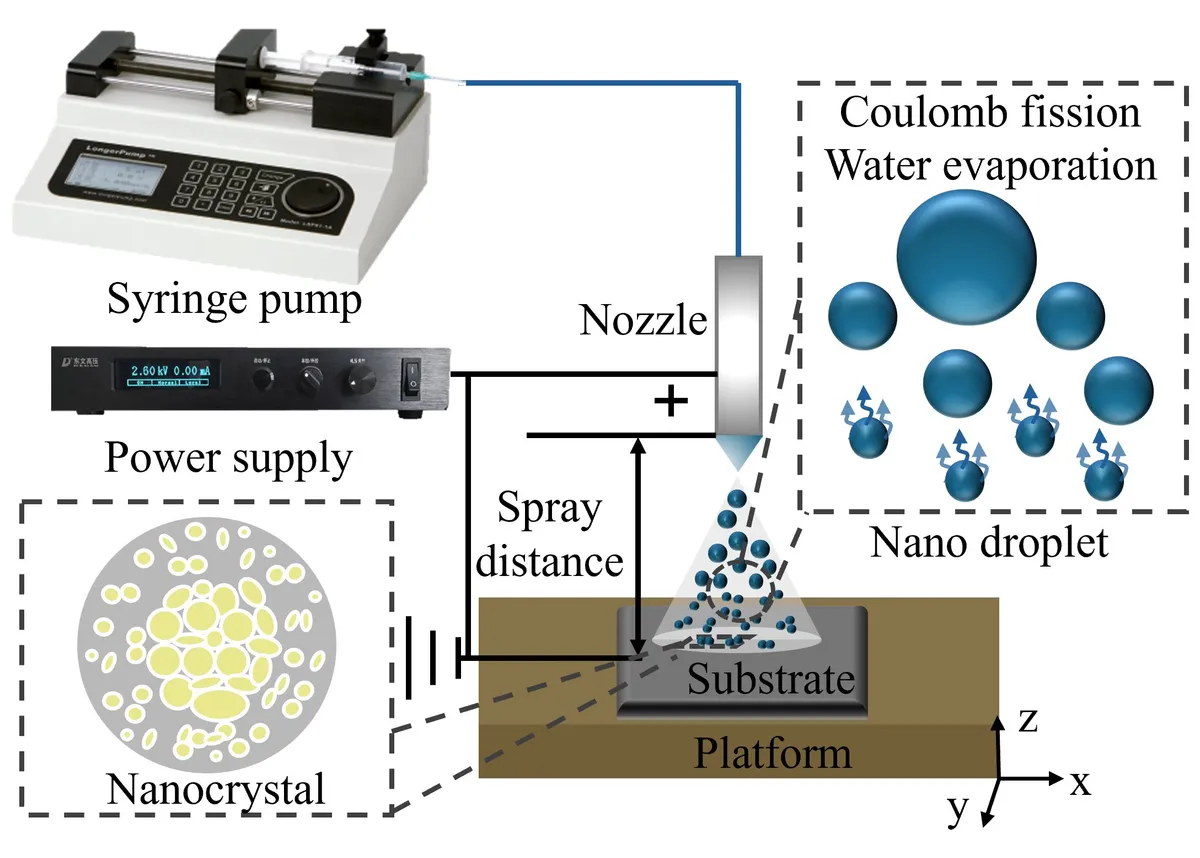
The research team focused on nanoconfinement. They used a method called electrohydrodynamic (EHD) spraying. This technique uses electricity to pull a liquid solution into tiny droplets. This process creates glycine nanocrystals without needing a physical mold. This allowed the team to study the crystals in their purest form.
We're a new kind of news feed.
Regular news is designed to drain you. We're a non-profit built to restore you. Every story we publish is scored for impact, progress, and hope.
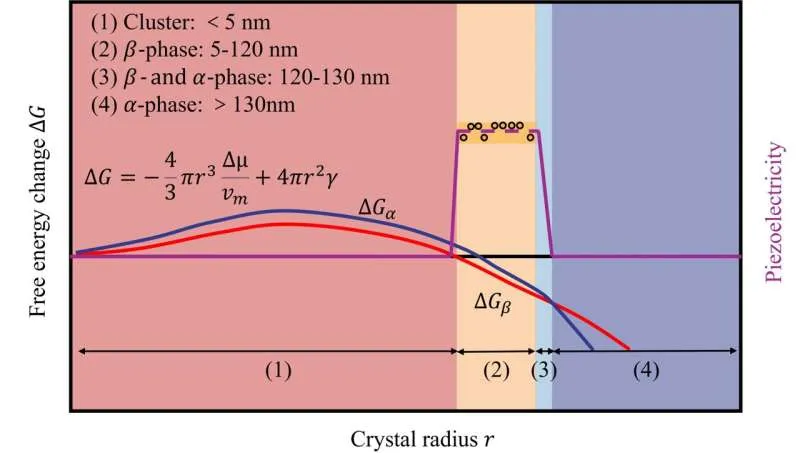
Start Your News DetoxThe team found a specific "Goldilocks zone" for these crystals. The piezoelectric β-phase stays stable when the crystal radius is between 5 and 120 nanometers. If the crystals are too small, they remain unstable. If they are larger than 130 nanometers, they quickly lose their piezoelectric properties.
This discovery provides a clear guide for how small the crystals need to be to keep their electricity-generating abilities. The findings were published in Reports on Progress in Physics.
Future Applications
To confirm their results, the researchers used advanced microscopy. They looked at the electrical response of individual nanocrystals. Crystals within the 5 to 120 nanometer range showed a strong and consistent piezoelectric response.
Because an electric field was used to create them, the crystals' internal dipoles aligned automatically. This means these materials could be used in sensors or chargers without extra processing.
This work offers a new way to understand how molecular crystals grow in small spaces. By defining this stability range, researchers are closer to using biological molecules in green electronics. These electronics would be safe for the human body. The team is now exploring how to integrate these stable nanocrystals into flexible films for medical sensors.
Deep Dive & References
Electric-field-driven nanoconfinement and the 5-120 nm stability regime of piezoelectric β-glycine - Reports on Progress in Physics, 2026