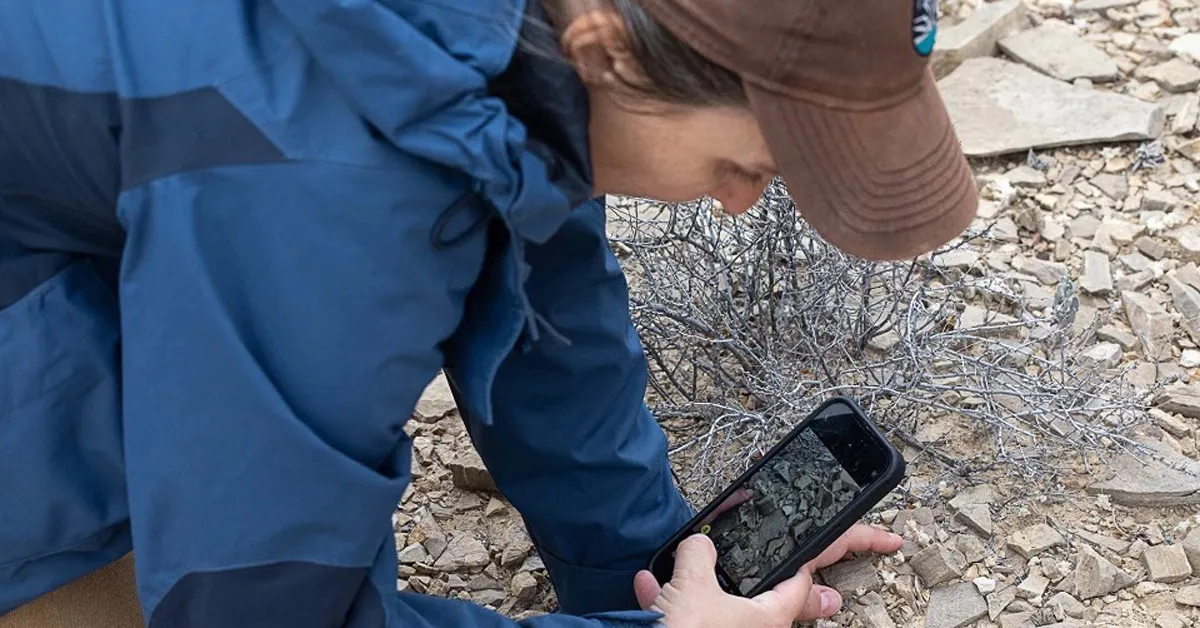
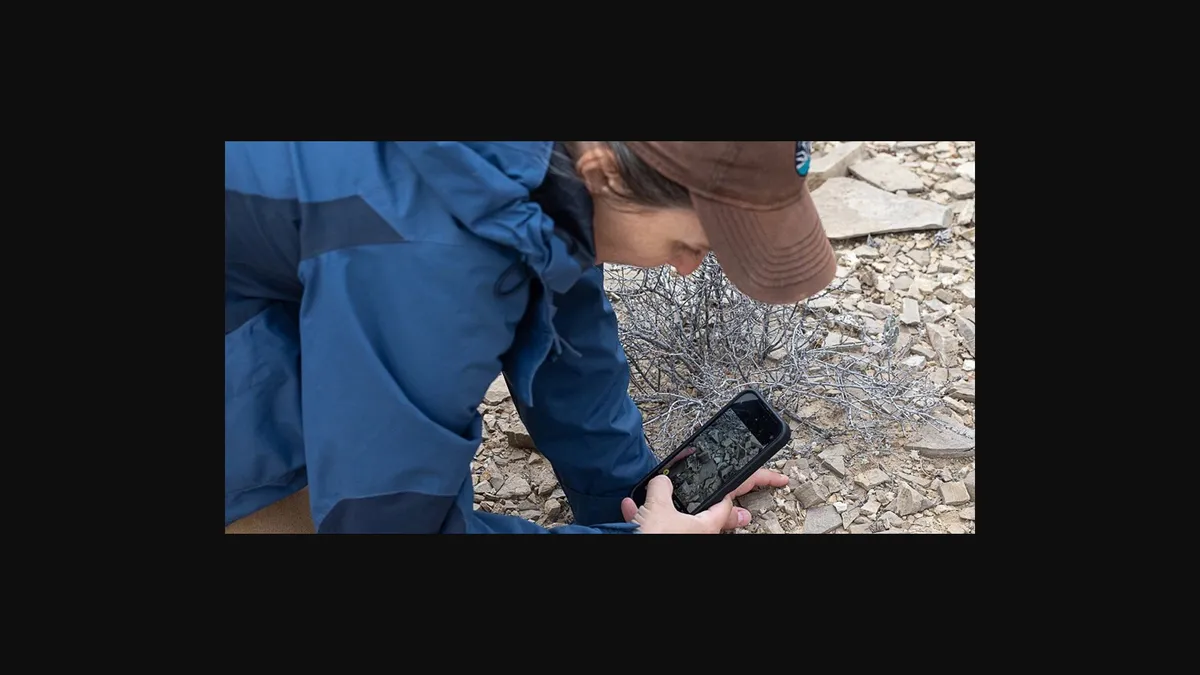
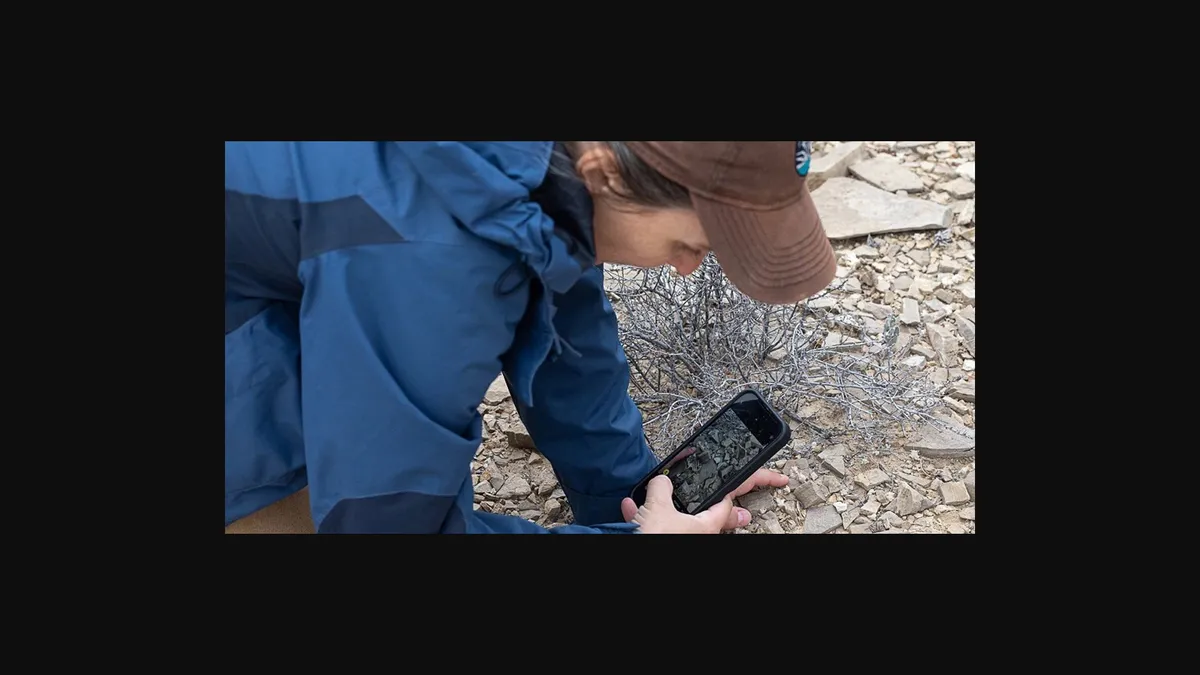
In Big Bend National Park, Texas, two park staff members found a tiny plant they had never seen before. This happened in March 2024. A volunteer and a park ranger noticed "very tiny," fuzzy plants among desert rocks in a remote area.
They took photos and checked species databases and plant publications. They also spoke with experts and posted photos online. Soon, it became clear these plants were a new discovery.
A New Genus Discovered
Park staff worked with researchers from the California Academy of Sciences, Sul Ross University, and Centro Interdisciplinario de Investigación para el Desarrollo Integral Regional. They published their findings in the botanical journal PhytoKeys.
We're a new kind of news feed.
Regular news is designed to drain you. We're a non-profit built to restore you. Every story we publish is scored for impact, progress, and hope.
Start Your News DetoxFurther studies, including a genetic analysis, showed the plant was very unique. It was not just a new species, but an entirely new genus. It belongs to the Asteraceae, or daisy, family.
Researchers named the plant Ovicula biradiata. Ovicula means "tiny sheep," referring to the thick white "wool" on its leaves. Biradiata describes the two noticeable ray petals in each flower. They also gave it the common name "wooly devil." This name comes from its fuzzy leaves and its location near "Devil's Den." The plant's ray florets also look like horns.
Protecting the Wooly Devil
Big Bend National Park Superintendent Anjna O’Connor said there is much more to learn about the plant. She hopes to find other populations, understand its life cycle, and identify its pollinators. She also wonders how the current drought will affect it.
The plant was found in the Chihuahuan Desert, a very diverse warm desert in North America. This area is a microhabitat within the 800,000-acre Big Bend National Park.
The wooly devil has only been found in this remote area. This suggests it is very sensitive to changing weather. The Chihuahuan Desert is facing severe drought due to climate change. Because of this, researchers believe the wooly devil is a vulnerable species at high risk of extinction.
Scientists will continue to study the plant. Its exact location is being kept secret to protect it.
The discovery of Ovicula biradiata shows that there is still much plant diversity to find in the Chihuahuan Desert. Researchers noted that new discoveries can happen even in well-known places like national parks. These parks might seem fully understood, but they still hold surprises.