For a long time, the prevailing scientific wisdom was that Neanderthals were, shall we say, a bit slow. Not exactly the sharpest tools in the prehistoric shed. They shuffled off the evolutionary stage because they just couldn't keep up with our clever human ancestors, right?
Turns out, that narrative is as outdated as a dial-up modem. New evidence keeps piling up, suggesting our ancient cousins were far more sophisticated than we gave them credit for. The latest bombshell? Neanderthals were safely slurping down shellfish thousands of years before Homo sapiens figured out the trick.
The Original Seafood Connoisseurs
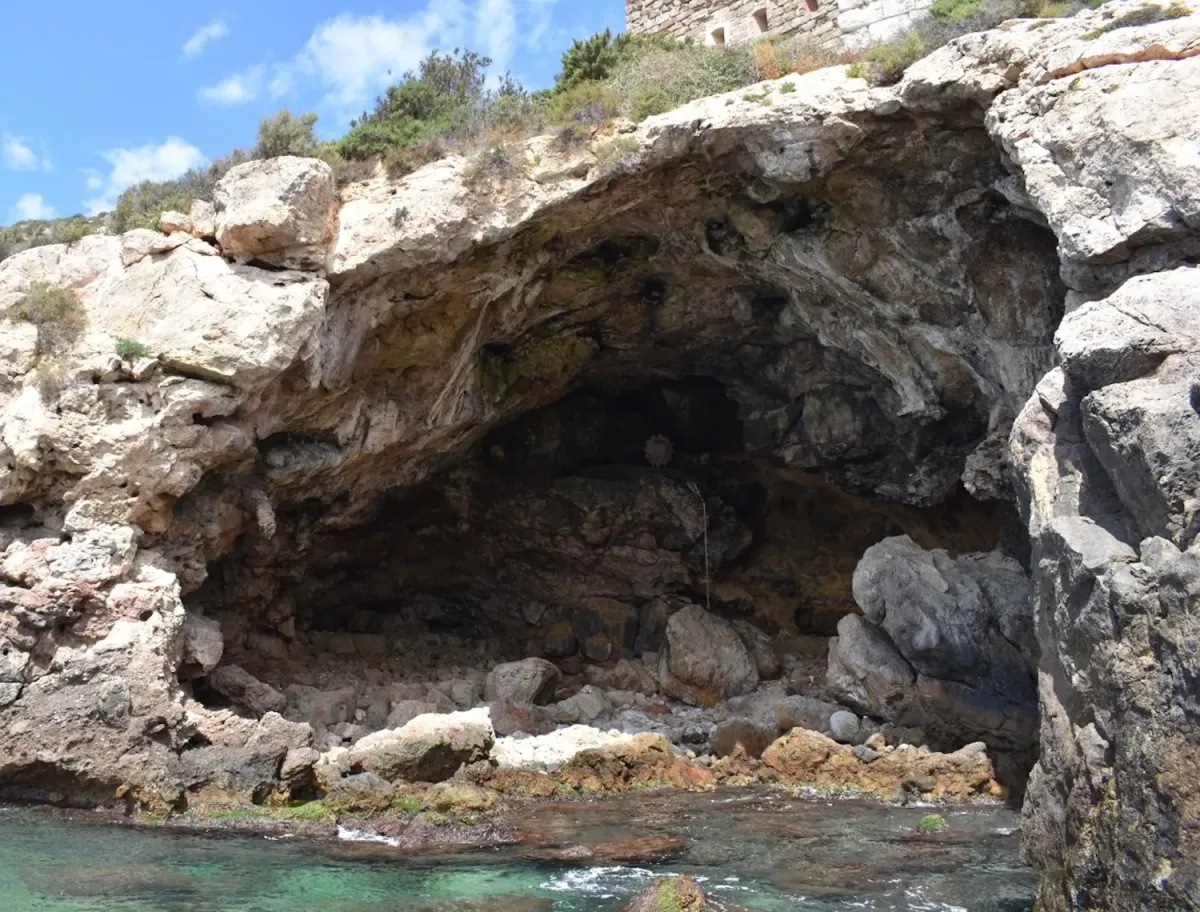
Archaeologists digging at Los Aviones Cave in Spain unearthed 115,000-year-old mollusk remains – think snails and limpets – that were clearly gathered for food. This isn't just a casual snack; it's a direct rebuttal to the old idea that Neanderthals were strictly landlocked, confused by the concept of coastal living or, heaven forbid, eating anything that came from the sea.
We're a new kind of news feed.
Regular news is designed to drain you. We're a non-profit built to restore you. Every story we publish is scored for impact, progress, and hope.
Start Your News DetoxBut here's where it gets truly impressive: these Neanderthals weren't just randomly foraging. They knew their seasons. They specifically harvested these marine delicacies between November and April, during the colder months. Asier García-Escárzaga, an archaeologist and co-author of the study, noted that while they might've dabbled in seafood year-round, winter and autumn were clearly prime time.
Why the seasonal preference? Turns out, many mollusks reproduce in winter, meaning they're meatier, tastier, and have a better texture. Plus, eating them in summer comes with delightful risks like toxic algae blooms and rapid spoilage. So, our Neanderthal pals weren't just eating shellfish; they were eating good shellfish, at the right time. Which, if you think about it, is a pretty advanced food strategy.
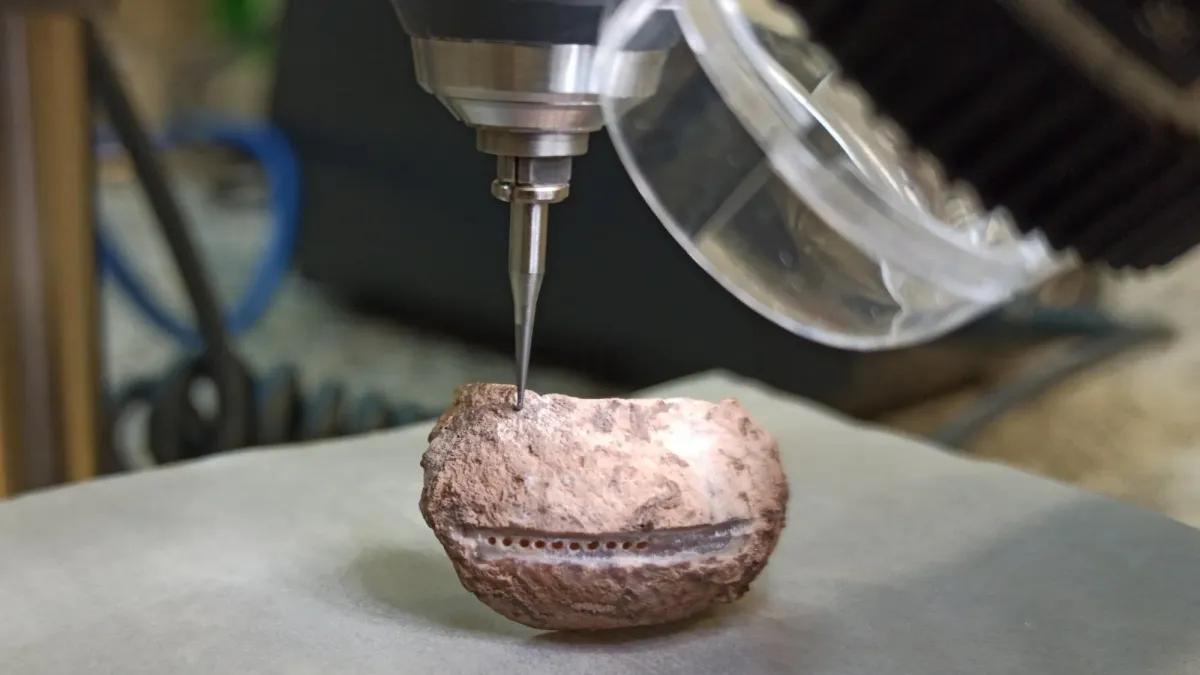
Scientists figured out this ancient dining schedule by analyzing the mollusks' shells. The levels of shell carbonate and oxygen isotopes change with seawater temperature, acting as a "prehistoric thermometer," as García-Escárzaga put it.
These findings paint a picture of coastal Neanderthals with a remarkably varied diet, rich in high-quality ocean proteins, Omega-3s, and zinc — all excellent for brain development and reproductive health. It's almost enough to make you wonder if our own enduring love affair with seafood was, in fact, influenced by our supposedly less-intelligent relatives. The study authors themselves called what they observed at Los Aviones a "fully modern subsistence strategy." Take that, preconceived notions.