The discovery of a new magic mushroom species in Africa is changing what scientists thought about the psychedelic fungi's history. A study in Proceedings B of the Royal Society shows that the popular Psilocybe cubensis and this new species shared a common ancestor about 1.5 million years ago. This ancestor was not in the region many had assumed.
Rethinking Magic Mushroom Origins
When people talk about "magic mushrooms," they usually mean P. cubensis. These fungi cause hallucinations and change how people perceive time. There is also growing evidence that small doses might have therapeutic benefits. P. cubensis grows well in tropical areas and often on cow dung. For a long time, scientists wondered how it spread across the Americas. This was a puzzle because cattle did not exist in the Americas before European colonists brought them in the 1500s. Researchers thought cows accidentally brought P. cubensis to the Americas then.
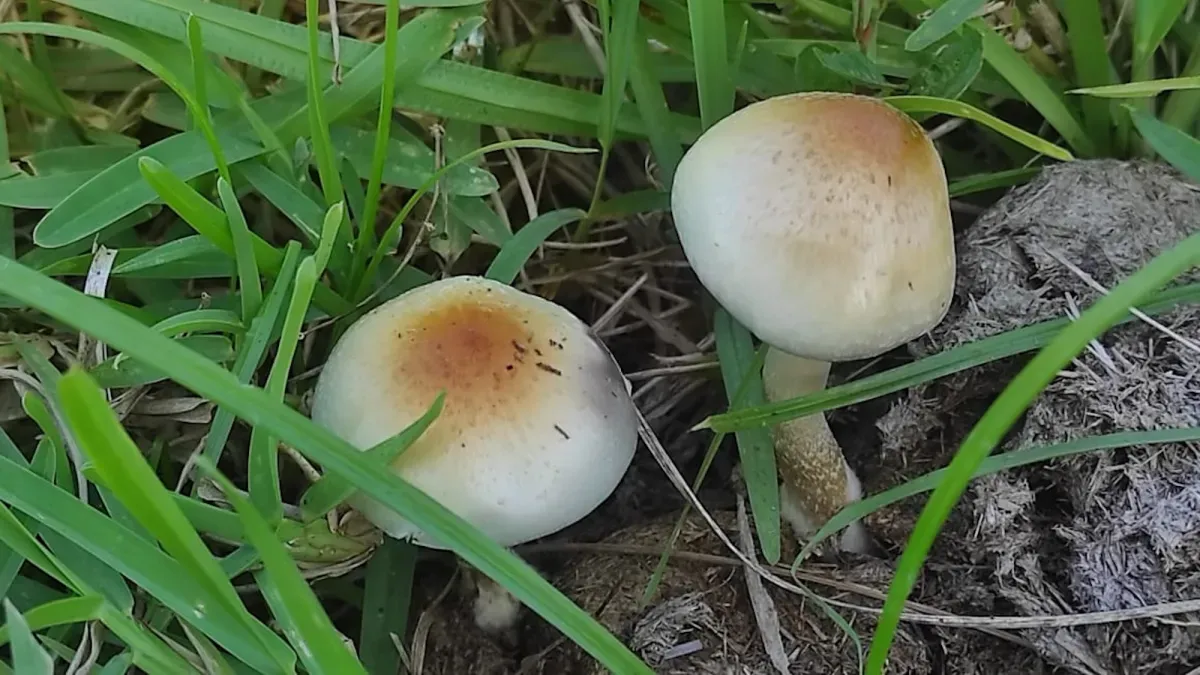
Over ten years ago, Cathy Sharp and other researchers found clues in Zimbabwe, Africa. They collected psychedelic mushrooms that looked a lot like P. cubensis. These mushrooms had a yellowish center on their caps. They are even grown for similar uses under names like Natal super strength (NSS) and Transkei.
We're a new kind of news feed.
Regular news is designed to drain you. We're a non-profit built to restore you. Every story we publish is scored for impact, progress, and hope.
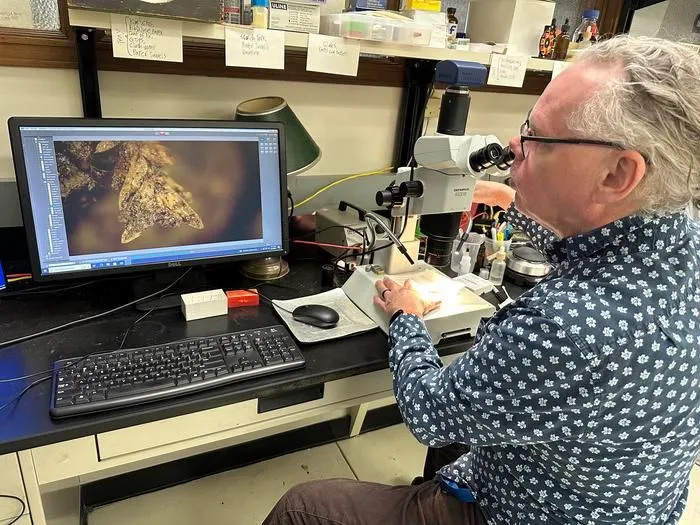
Start Your News DetoxAfter testing the DNA, study co-author Breyten van der Merwe confirmed that these African mushrooms were not P. cubensis. Van der Merwe, a mycologist at Stellenbosch University in South Africa, noted that this mushroom is very popular because it is potent and easy to grow. He added that until this study, no one knew it was a completely different species.

A New Species and New Theories
The new species is called Psilocybe ochraceocentrata because of its yellow (ochre) color. It has different ecological, chemical, and genetic traits than P. cubensis. Sharp, van der Merwe, and their team traced the origins of both P. ochraceocentrata and P. cubensis. They now believe that cattle might not have brought P. cubensis to the Americas. Instead, cows might have met P. cubensis after arriving in the Americas, and then they formed a helpful relationship.
The team says more data is needed because African fungi are not well-studied. However, they have some ideas about how the mushrooms evolved. One idea involves both continents. While South America saw mushroom diversity grow millions of years ago, grazing animals began moving from Africa into Eurasia. This could explain how both fungus species evolved and how cattle helped spread P. cubensis.
This discovery shows how much more there is to learn about fungi and how they affect humans who grow them.