A global network of food banks just published numbers that reframe how we think about waste: they're simultaneously solving hunger and climate change, one intercepted shipment at a time.
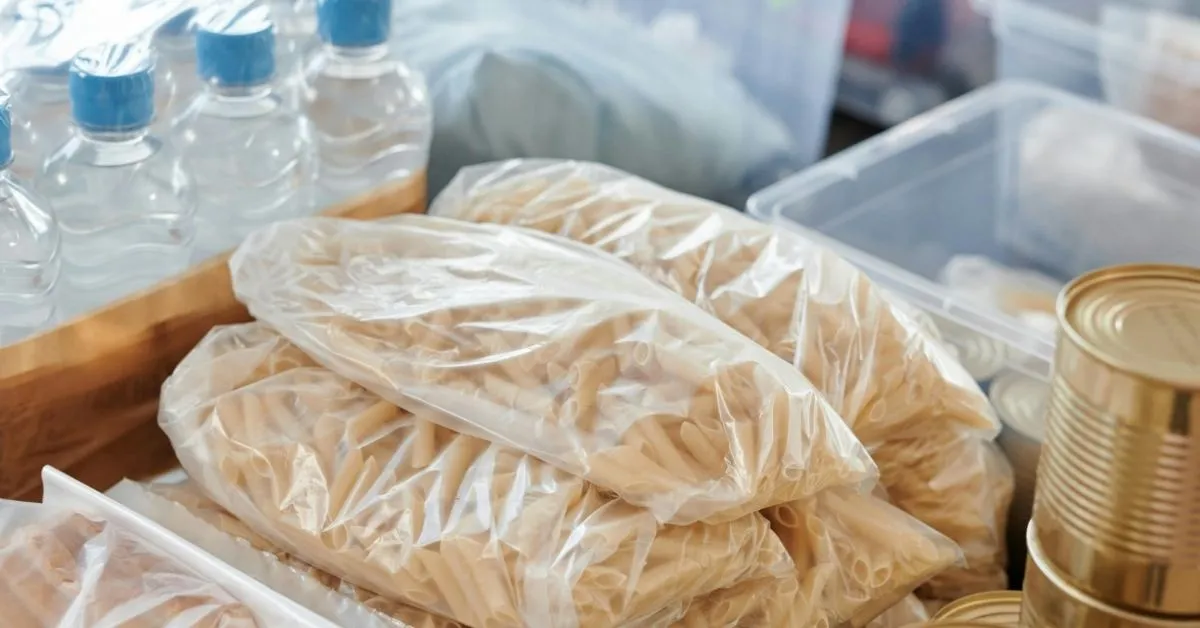
The Global Foodbanking Network, which coordinates operations across more than 50 countries, released their annual impact report this week. The headline figure: food banks diverted an estimated 1.8 million metric tons of carbon dioxide from the atmosphere last year. But the scale goes deeper. They served 1.7 billion meals to 40 million people in need globally—meaning every plate of food that reached someone hungry also meant one less item rotting in a landfill.
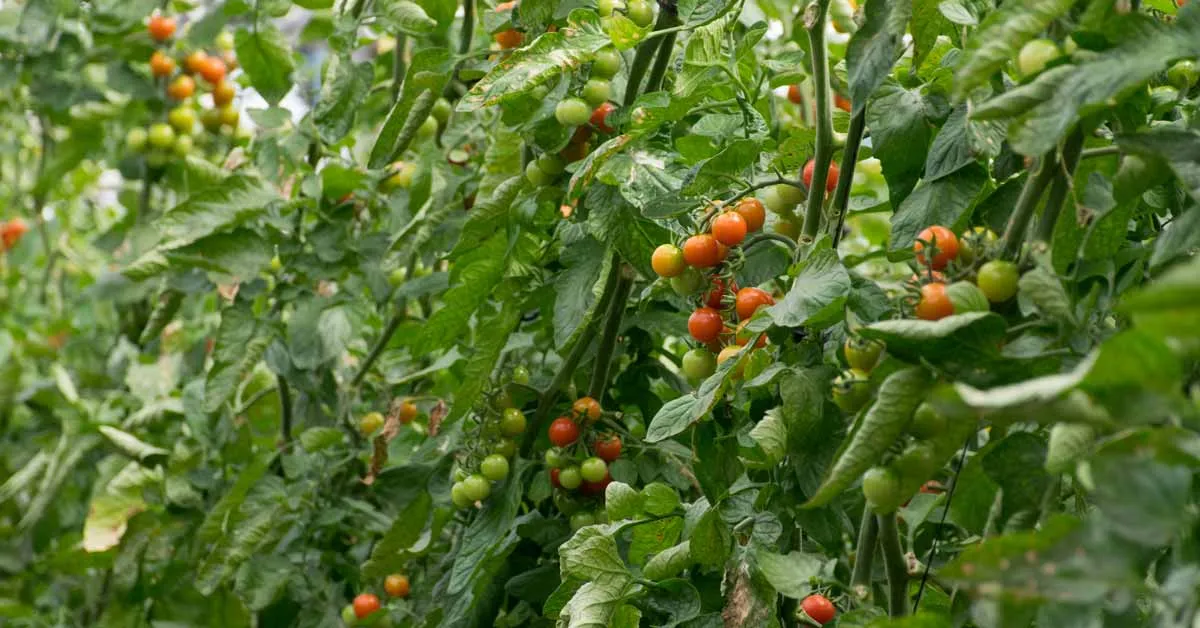
Here's where the climate math gets interesting. Nearly a third of the world's food never reaches a person who needs it. It spoils at the farm, gets rejected at the supermarket for being slightly bruised or "ugly," or sits in a warehouse past an arbitrary expiration date. When that food ends up in landfills, it decomposes and releases methane—a greenhouse gas roughly 25 times more potent than carbon dioxide. Food waste also wastes the water, fertilizer, and labor that went into growing it in the first place.
We're a new kind of news feed.
Regular news is designed to drain you. We're a non-profit built to restore you. Every story we publish is scored for impact, progress, and hope.
Start Your News DetoxFood banks break this cycle by working directly with producers, wholesale markets, and supermarket chains to catch that surplus before it becomes waste. A slightly dented apple, a crate of carrots that won't fit the grocery store's size requirements, overstock from a distributor—these become meals instead of emissions.
The supply chain solution
What makes this approach powerful is that it works at scale. Food banks aren't relying on consumer behavior change or government mandates. They're partnering with the existing supply chain—the farms, markets, and retailers already moving food—and simply redirecting the pieces that would otherwise be discarded. Supermarket chains, in particular, have historically been among the worst offenders, tossing perfectly edible food because it doesn't meet cosmetic standards.
The carbon impact is real. To put 1.8 million metric tons in perspective: that's roughly equivalent to the annual emissions from 390,000 cars. But the hunger impact is equally significant. For 40 million people, food banks mean the difference between a meal and an empty stomach. The two problems—food waste and hunger—are being addressed simultaneously, which is why this model is gaining traction across continents.
The next phase is scaling further. As more retailers recognize that donating surplus food is both ethically sound and logistically efficient, food banks have the infrastructure to handle it. The question isn't whether this works—the data shows it does. It's how quickly the model can expand to reach the billions of tons of food still being wasted globally.