The year 2025 brought a sharp reversal in federal climate support. Conservation grants were cancelled. Solar funding for farms dried up. Greenhouse gas regulations faced elimination. And yet, across the country, something else was happening too: people were building solutions anyway.
Civil Eats spent the year tracking both the policy collapse and the quiet momentum beneath it. The picture that emerged wasn't one of either/or—it was messier and more human than that. Federal support mattered, and its loss hurt. But the absence of top-down leadership revealed something worth knowing: the most durable climate work in food systems often happens at the edges, in communities that can't afford to wait for Washington to decide.
When Federal Support Disappeared
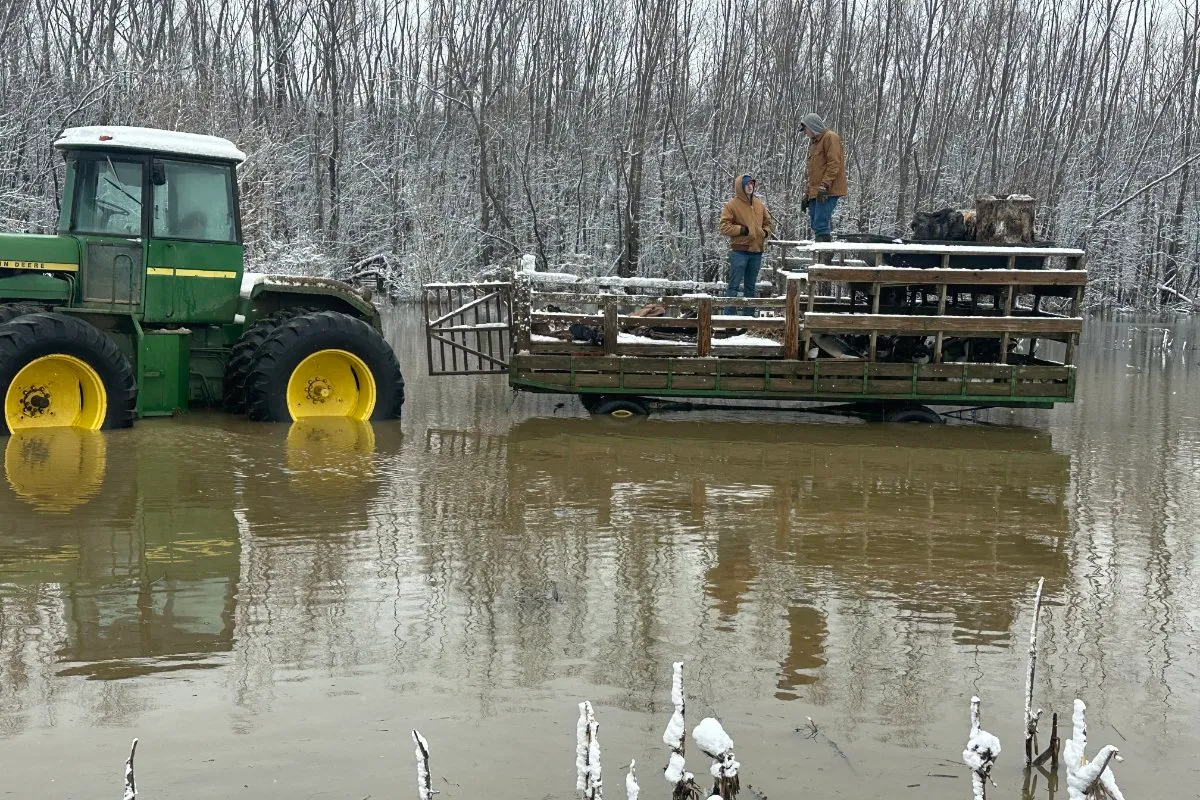
The shift was immediate and sweeping. Thousands of farmers who'd enrolled in USDA climate-smart commodity projects expecting long-term payments suddenly faced cancelled contracts. Agroforestry programs that had been gaining momentum hit funding walls. Rural energy loans that once incentivized solar panels on farmland were quietly restricted. The EPA announced it would curtail its own ability to regulate greenhouse gas emissions. For farmers already managing extreme weather, flooding, and unpredictable growing seasons, the timing felt like abandonment.
We're a new kind of news feed.
Regular news is designed to drain you. We're a non-profit built to restore you. Every story we publish is scored for impact, progress, and hope.
Start Your News DetoxBut the story didn't end there.
Solutions That Don't Wait for Permission

In Colorado's San Luis Valley, farmers are reviving acequias—ancient irrigation systems that are local, democratic, and built for drought. In California, farmworkers at Hedgerow Farms are harvesting native seeds to revegetate burned land and restore wetlands, creating climate resilience one seed at a time. In Denver, despite federal roadblocks, an agroforestry program is planting urban fruit trees that feed people and cool neighborhoods. In Maine, wild oysters are making a comeback along the Damariscotta River after more than a century—a sign of ecosystem recovery and a warning about warming waters.

These aren't isolated experiments. Buckwheat farmers in the Northwest are proving that organic, climate-beneficial crops can scale. An Arizona ranch became the Southwest's first Regenerative Organic Certified operation, offering a model for others. California's regenerative agriculture programs, though facing pressure, continued anyway—supported by state leadership and local commitment.
Indigenous researcher Elsie DuBray made a powerful case for reintroducing buffalo to Western landscapes, not just for ecological restoration but to reestablish an ancient relationship between people and land. These stories shared something: they worked with place, with community knowledge, with what people already knew how to do.
The Harder Truths
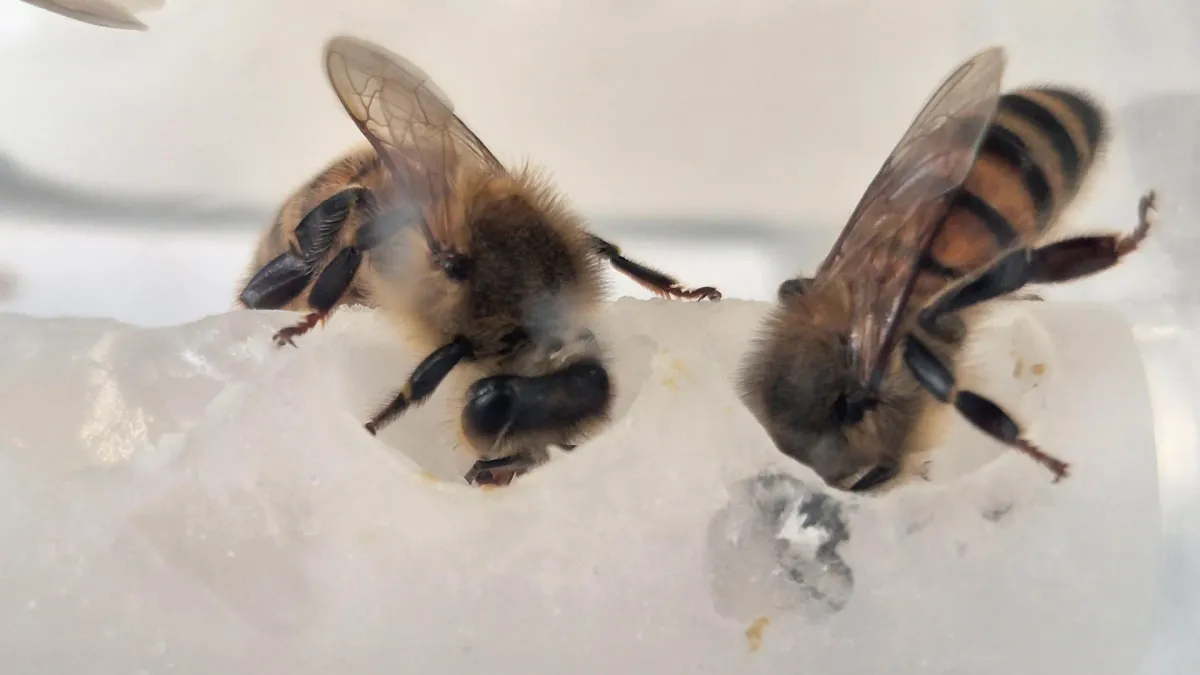
None of this erases what was lost. Federal cuts to bee research jeopardize pollinator protection. The lobbying power of big agriculture continues to exclude most voices from food policy decisions. Mexican avocado imports marketed as sustainable often come from farms with serious environmental and human-rights impacts. The food system remains vulnerable to corporate capture, and climate change keeps accelerating.
But 2025 also revealed something about resilience: it often emerges not from top-down mandates but from people who understand their land, their watersheds, their communities. When federal support evaporated, these efforts didn't disappear—they adapted, found new funding sources, built local coalitions, and kept working.
The question for 2026 isn't whether federal climate policy will return to what it was. It's whether the solutions proving effective at the grassroots level—native seeds, ancient irrigation, community agrivoltaics, regenerative certification, indigenous land management—can scale fast enough to matter. And whether the people doing this work get the resources and recognition they deserve.