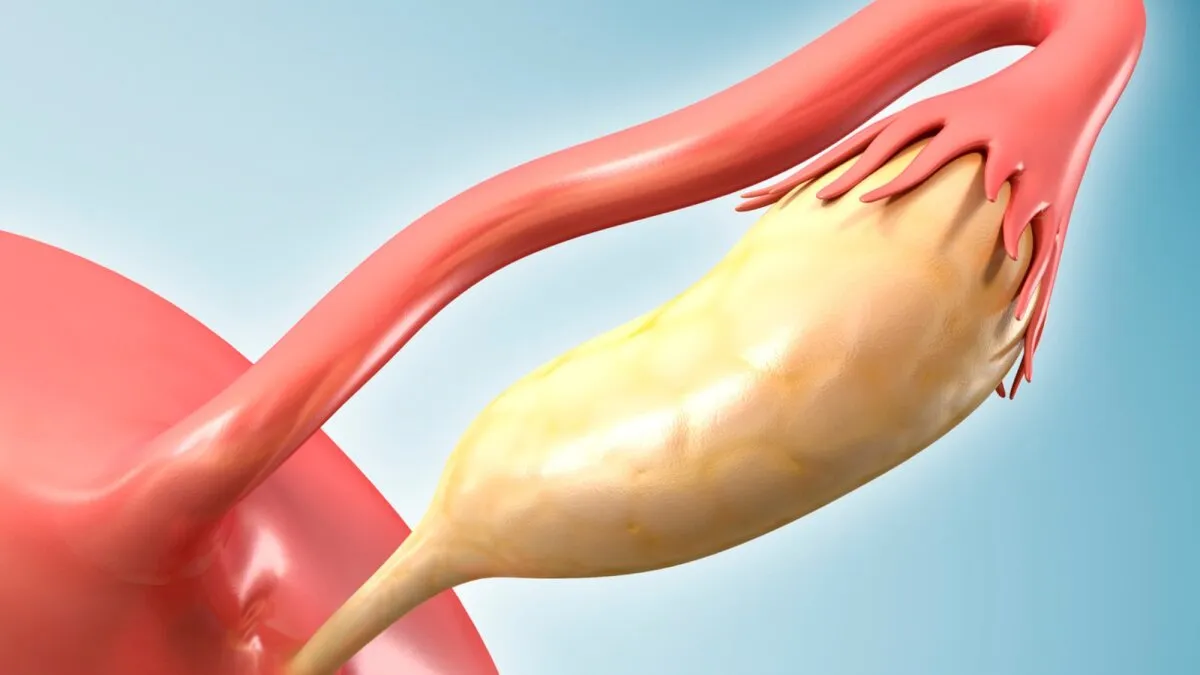
For a long time, the scientific consensus was pretty straightforward: once a woman hits menopause, her ovaries clock out. They've done their job, egg production ceases, and then they just… chill. Apparently, that's not quite right. Because who needs to retire when you can pivot to a whole new career?
New research from Northwestern University is flipping the script on what happens to ovaries after their reproductive days are over. Far from becoming inactive relics, it seems they dramatically transform, taking on a starring role in the immune system. Which, if you think about it, is both impressive and slightly terrifying.
The Great Ovarian Rebrand
To figure out what these post-menopausal ovaries are actually up to, researchers studied mice at three distinct life stages: young, still-reproductive, and post-reproductive. By comparing their ovaries, scientists could map out the molecular glow-up (or, depending on your perspective, the inflammatory takeover) that happens once the egg supply runs dry.
We're a new kind of news feed.
Regular news is designed to drain you. We're a non-profit built to restore you. Every story we publish is scored for impact, progress, and hope.
Start Your News DetoxWhat they found was, well, a complete identity crisis. Ovaries from the post-reproductive mice had utterly abandoned their original purpose. They'd shed their reproductive identity and morphed into what the scientists called an "immune-like inflammatory organ." No quiet retirement home for these guys; they're out there on the front lines, apparently.
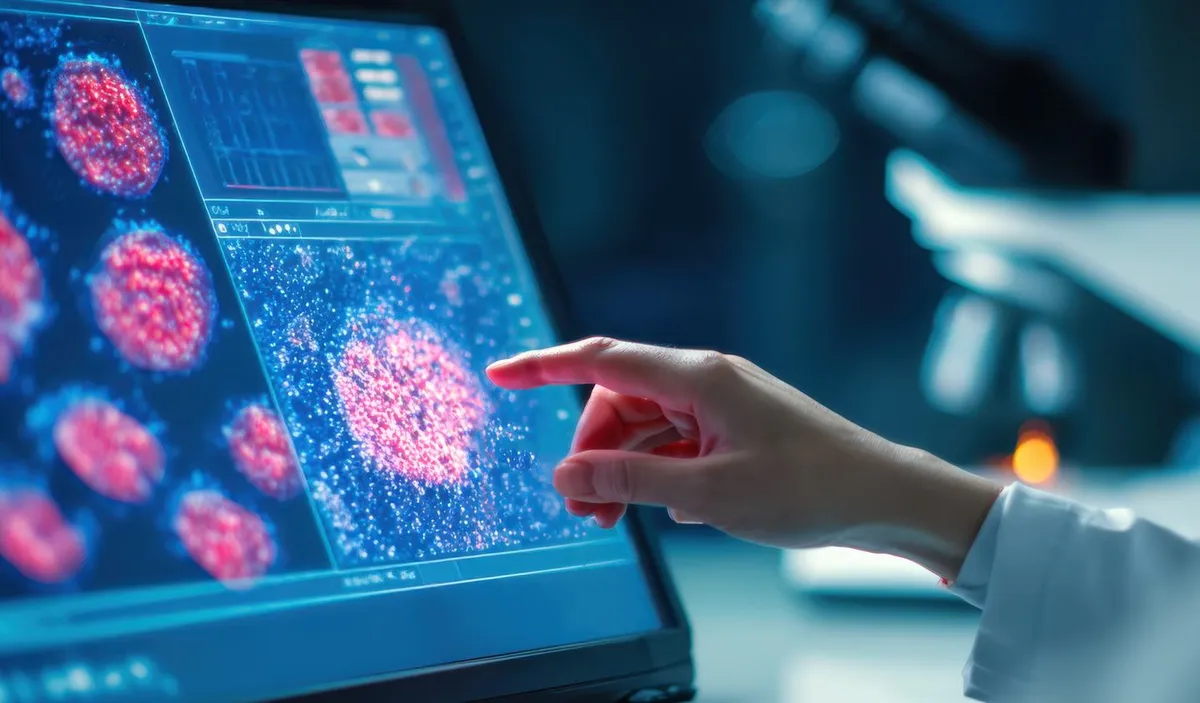
It gets wilder. The researchers discovered that ovaries, even after fertility ends, continue to change at a molecular level. They found immune cells – T cells and macrophages – setting up shop inside the ovaries. It's like the reproductive function packed its bags, and the immune system immediately moved in, started redecorating, and threw a housewarming party with all its inflammatory friends.
This means that post-reproductive ovaries aren't just sitting there. They're actively releasing signals that cause inflammation throughout the body. So, instead of being an exhausted organ, the ovary might actually be contributing to overall body aging. Which is a bit of a plot twist, even for organs.
This isn't just a quirky biological fact; it fundamentally changes how we view women's health and aging. The ovary isn't just a one-trick pony; it's a dynamic, shape-shifting player in the body's ongoing saga. And apparently, it's not afraid to try new things, even if those new things involve a bit of inflammation.