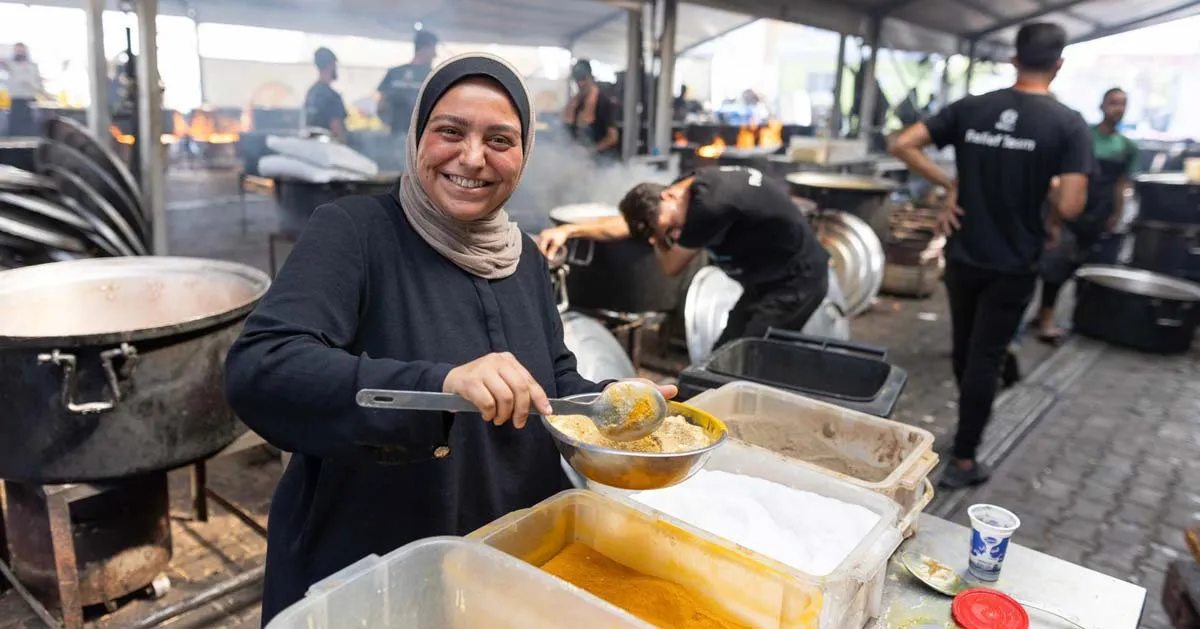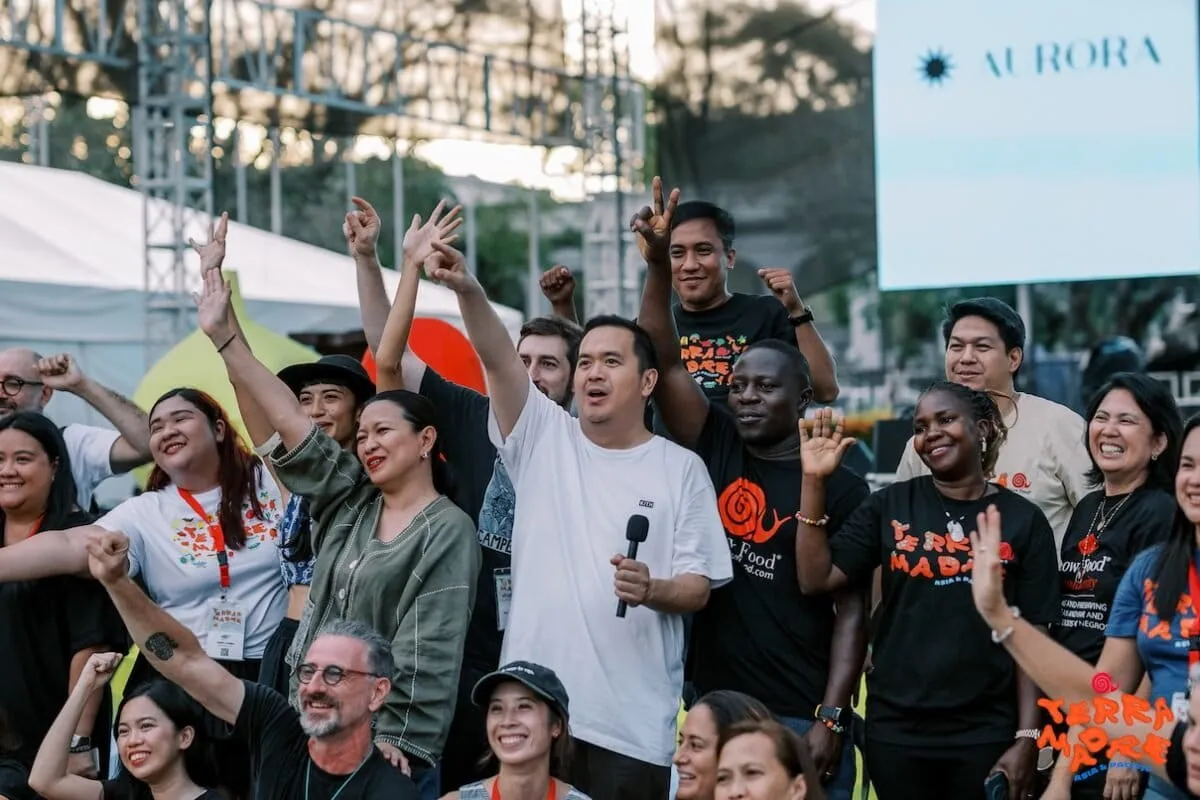
In November, Bacolod—a city in the central Philippine province of Negros Occidental—filled with the smell of grilled seafood, fermented sauces, roasted coffee, and freshly ground spices. More than 2,000 delegates from 20 countries had gathered for the first Asia-Pacific convergence of the Slow Food movement, a global network advocating for food systems that are good, clean, and fair.
Farmers stood next to chefs. Indigenous leaders talked with scientists. Fisherfolk shared tables with policymakers. They came because they share the same worry: biodiversity is vanishing, climate change is reshaping what grows where, and the food systems that have sustained communities for generations are under strain.
"This is a space where communities, ingredients, and ideas come together to shape the future of food," Edward Mukiibi, president of Slow Food, told Mongabay. The five-day gathering was both a celebration of regional food cultures and a working conference on how to protect them.
We're a new kind of news feed.
Regular news is designed to drain you. We're a non-profit built to restore you. Every story we publish is scored for impact, progress, and hope.
Start Your News DetoxA Regional Center Takes Root
The most concrete outcome: the establishment of the Asia-Pacific Agroecology and Food Cultures Hub, now based in Bacolod. This isn't just a name. It's a functioning center for research, training, and advocacy focused on agroecology—a farming approach that weaves together ecological science, Indigenous knowledge, and social action.
The hub will work directly with small-scale farmers, fisherfolk, and Indigenous communities across the region. The goal is practical: help them strengthen how they grow, distribute, and control their own food. It also means pushing for policies that protect biodiversity, support sustainable agriculture, and ensure communities have fair access to land and resources.
"Our goal is to empower local communities to take control of their food systems and to build a more sustainable, equitable, and resilient future for the region," Mukiibi said.
This matters because industrial agriculture—with its focus on monocrops, chemical inputs, and global supply chains—has made many food systems fragile. When one crop fails or one supply line breaks, entire communities feel it. Agroecology works differently. It builds diversity into farms: multiple crops, integrated livestock, soil health practices that don't depend on expensive inputs. These systems are more resilient when climate shocks hit.
What Bacolod Revealed
Beyond the hub announcement, the gathering itself was a reminder of what's at stake. Participants shared heirloom rice varieties from the Philippines, fermented sauces from Indonesia, and dozens of other foods that exist because communities have refined them over generations. These aren't museum pieces. They're living proof that local food systems work—they've sustained people through droughts, floods, and centuries of change.
But they're also disappearing. Young people leave farms for cities. Supermarkets replace markets. Industrial varieties crowd out heirlooms. The conversations in Bacolod centered on how to reverse that, not by rejecting the modern world, but by making sure the old knowledge and the new science work together.
The hub's work has already begun, with plans to expand networks across the Asia-Pacific region—connecting farmers, researchers, and policymakers who are already experimenting with what sustainable food systems can look like.