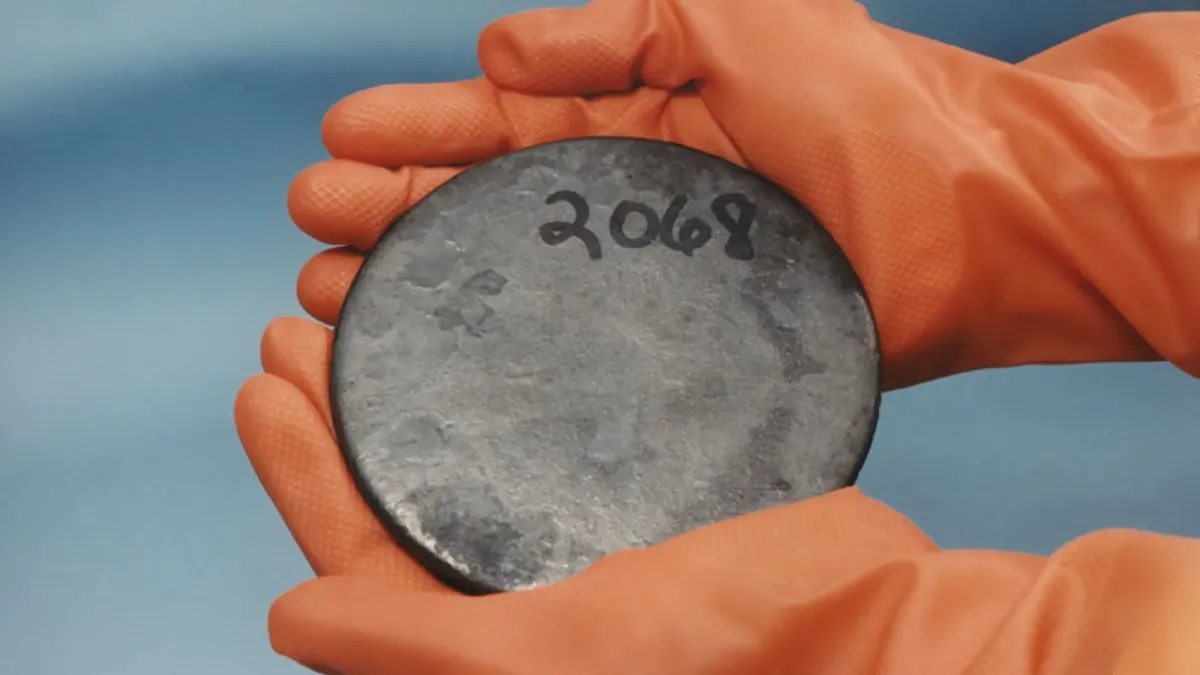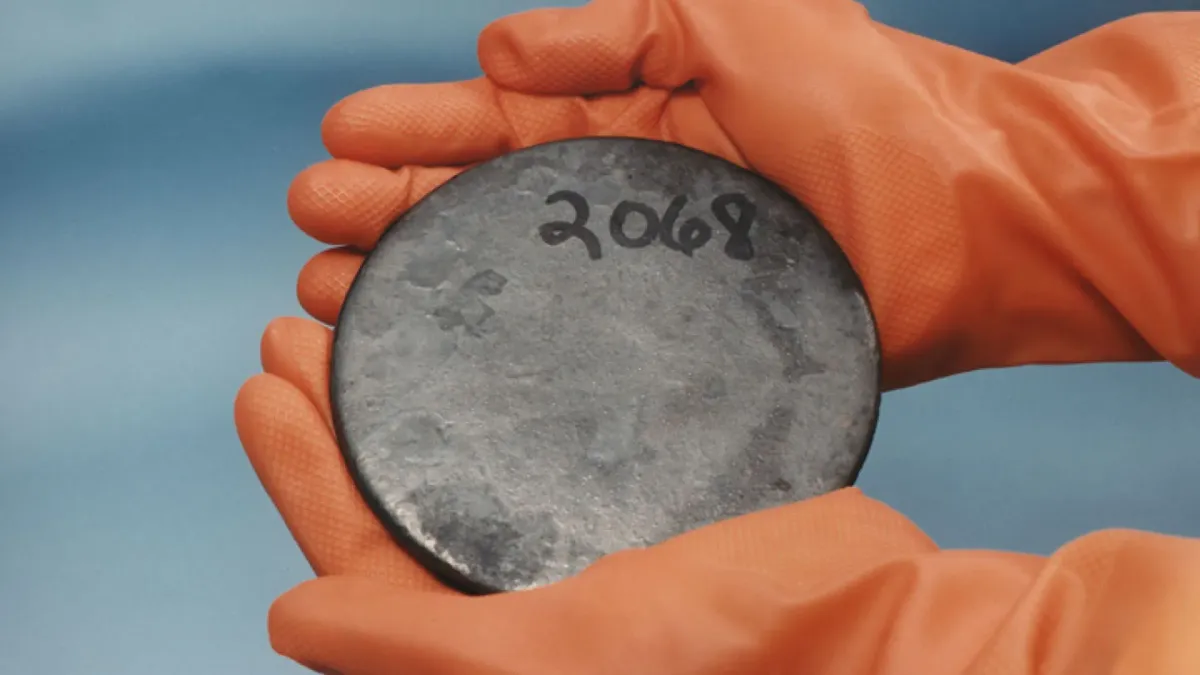
Imagine a microscopic, light-powered Roomba, but instead of dust bunnies, it's hunting radioactive material. That's essentially what scientists in China have cooked up: tiny machines that actively seek out and capture uranium from oceans and wastewater. Because apparently, that's where we are now.
China's got big plans for nuclear energy, moving away from fossil fuels, and that requires a steady, reliable supply of uranium. While they've got their own mining operations, they're still importing a good chunk. The problem? The world's oceans are swimming with about 4.5 billion tons of uranium, but it's so spread out, trying to extract it has been a costly, passive affair.
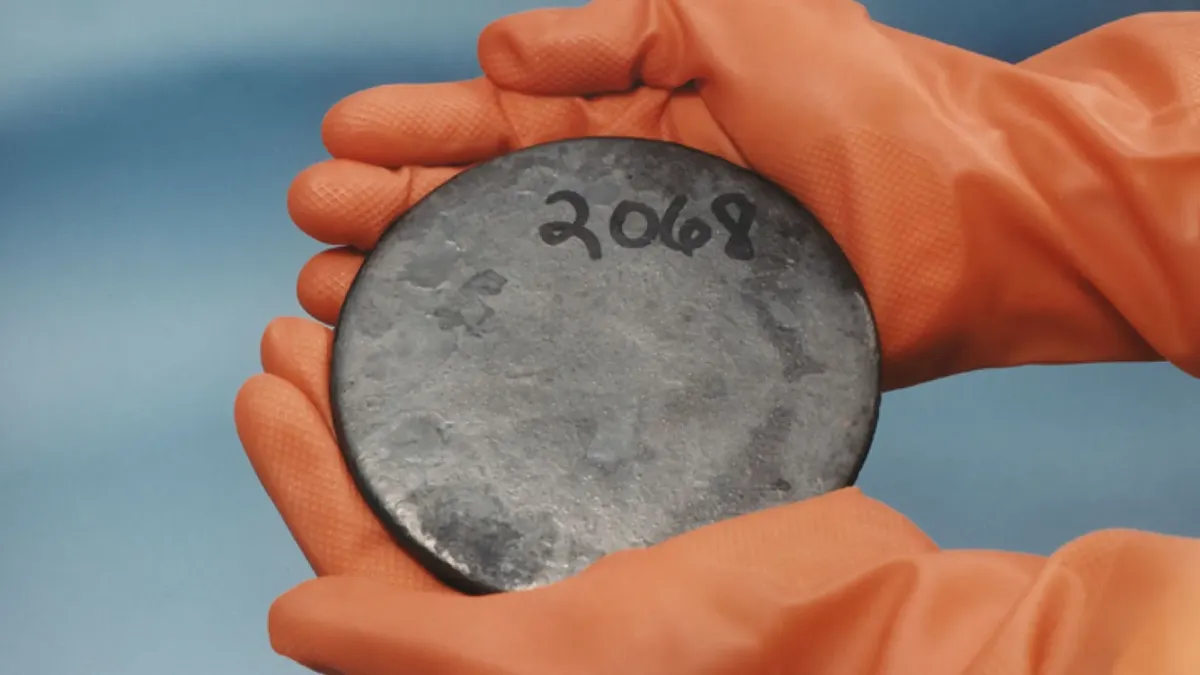
Enter the micromotors. A team led by Yongquan Zhou at the Qinghai Institute of Salt Lakes developed these minuscule marvels, made from a metal-organic framework (MOF). We're talking particles just 2 micrometers wide — about 30 times thinner than a human hair. Think of them as molecular sponges, engineered to be super stable in water.
We're a new kind of news feed.
Regular news is designed to drain you. We're a non-profit built to restore you. Every story we publish is scored for impact, progress, and hope.
Start Your News DetoxWhen activated with a bit of hydrogen peroxide, these little guys zip along at 7 micrometers per second. Hit them with some sunlight, and their speed doubles. Which, if you think about it, is both impressive and slightly terrifying.
Tiny Hunters, Big Haul
In lab tests, these micromotors were no slouches, extracting 406 milligrams of uranium per gram of material. And once they snag a uranium ion, they lock it into a stable mineral form, ready for safe storage. No more passively waiting for uranium to drift by; these things are on the prowl.
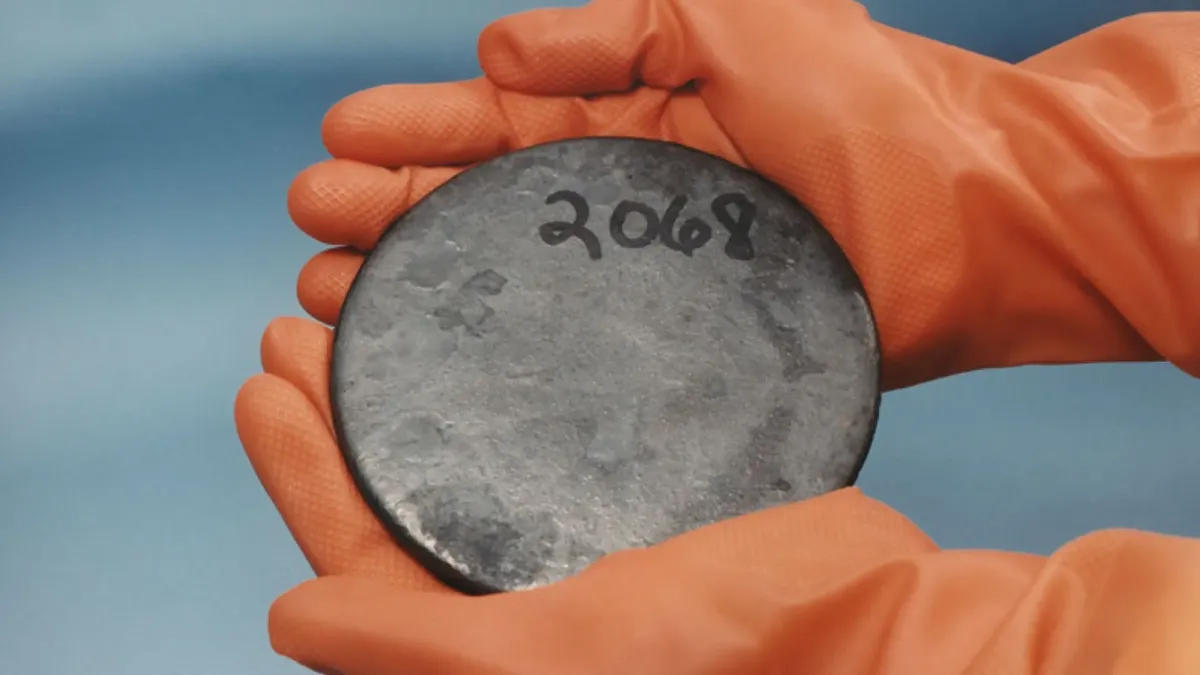
The researchers even observed them exhibiting behaviors straight out of a nature documentary: hunting, escaping, and swarming as their fuel levels changed. It's like a microscopic version of Planet Earth, but with nuclear fuel.
Now, it's still early days for this tech. The high salt content in China's vast salt lakes (which they already mine for potassium and lithium) makes the system a bit less efficient right now. But Zhou's team believes these lakes are treasure troves, potentially holding other valuable elements like rubidium and cesium that are currently just discarded. And these micromotors? They could be adapted to snag those too.
So, while we're not quite at the point of deploying fleets of Predator-like robots to vacuum up radioactive elements, the idea that we might someday is... certainly something to ponder. And probably tell someone about.