For nearly a hundred years, scientists stared at a lizard, scratched their heads, and wondered: Is this its own thing, or just a really committed impersonator? The lizard in question: Taiwan's legless lizard, a creature that has been living under an assumed identity for far too long.
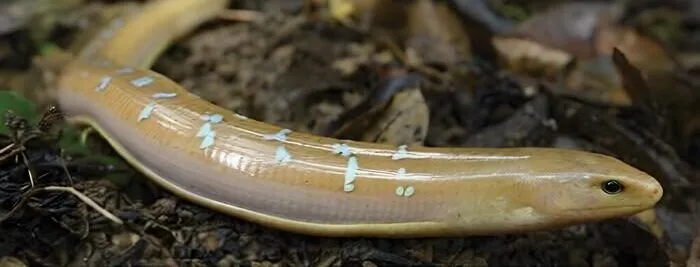
Good news for the lizard, and for anyone who appreciates taxonomic clarity: Researchers at National Taiwan Normal University have finally confirmed that the Formosan legless lizard (Dopasia formosensis) is, in fact, a distinct species. It's a Taiwan native, through and through. Previously, it was just lumped in with the more common Hart’s glass lizard (D. harti), like a forgotten middle child.
The Great Lizard Identity Crisis
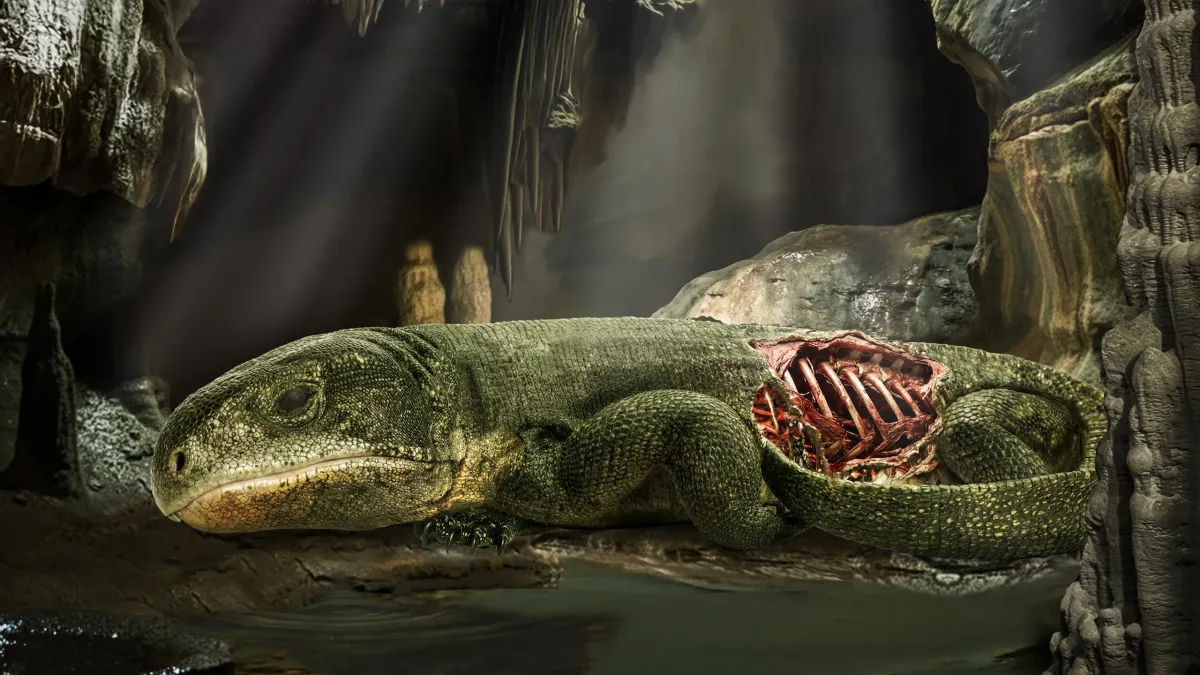
Now, before you picture a snake with an existential crisis, let's clarify: Legless lizards are not snakes. They just play them on TV. The key differences? Eyelids that blink (snakes just stare, unblinking, into your soul), tiny ear openings, and a rather handy fold along their side. That fold isn't just for show; it allows their skin to stretch for breathing or, you know, when they're expecting. Multitasking, even without legs.
We're a new kind of news feed.
Regular news is designed to drain you. We're a non-profit built to restore you. Every story we publish is scored for impact, progress, and hope.
Start Your News DetoxThe whole identity kerfuffle kicked off in 1930. Japanese zoologist Kyukichi Kishida first described Ophisaurus formosensis as unique to Taiwan. He noticed the locals (O. formosensis) lacked the snazzy blue spots of their O. harti neighbors, even when living in the same areas. Clearly, Kishida thought, these were different fashion choices, indicating different species.
Fast forward a bit, and these lizards got re-categorized into the genus Dopasia. Then, in 2003, other researchers decided Kishida was probably overthinking it. They figured the color differences were just, you know, male, female, or juvenile things. Because apparently that’s where we are now. The original specimen Kishida used to make his case was, unhelpfully, lost after World War II, making things even murkier.

Adding to the challenge: these lizards are notoriously shy, preferring to hide under leaves and soil. Plus, Dopasia lizards are a protected species in Taiwan, which means you can't just go digging them up for a quick ID check. But patience, it seems, pays off. After a century of mistaken identity, this legless lizard can finally stand (metaphorically, of course) on its own two feet.
Which, if you think about it, is both impressive and slightly terrifying for an animal that can't actually stand.