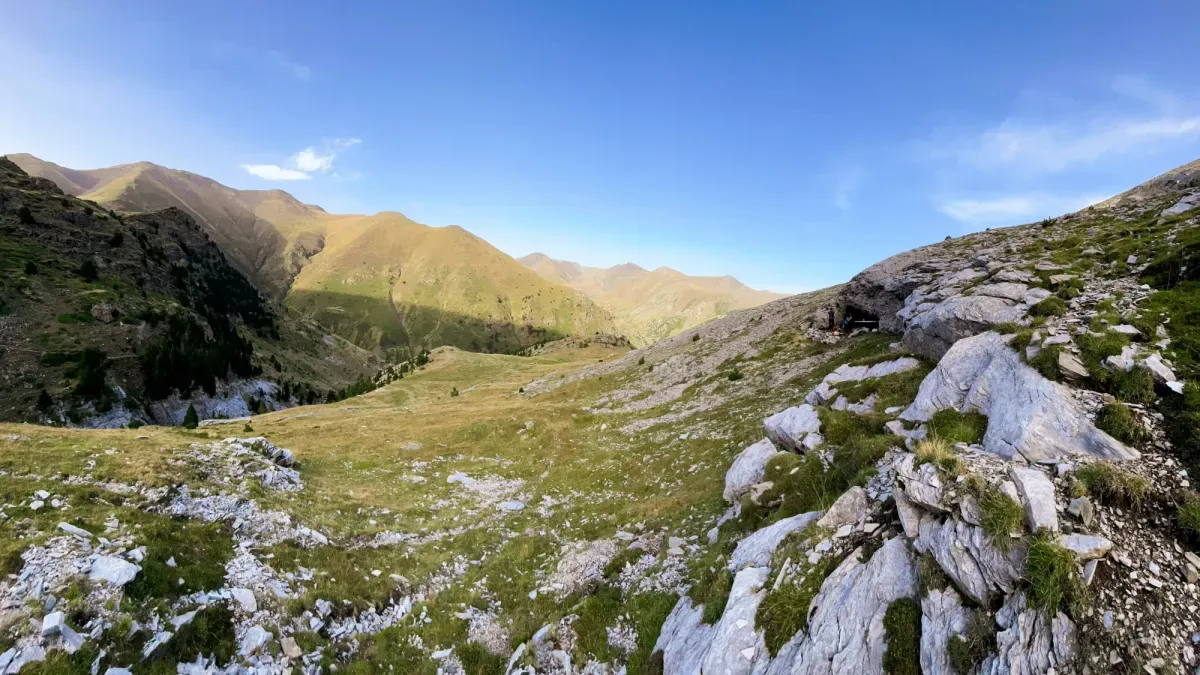
Turns out, our prehistoric ancestors were a lot more ambitious than we gave them credit for. Archaeologists just found a cave over 7,000 feet high in Spain's Pyrenees Mountains, and the relics inside are shaking up everything we thought we knew about ancient high-altitude living.
For years, the general consensus was that early humans mostly stuck to the lowlands, maybe popping up to the mountains for a quick look around. But this particular cave, known as Cave 338, tells a very different, much more vertical story.
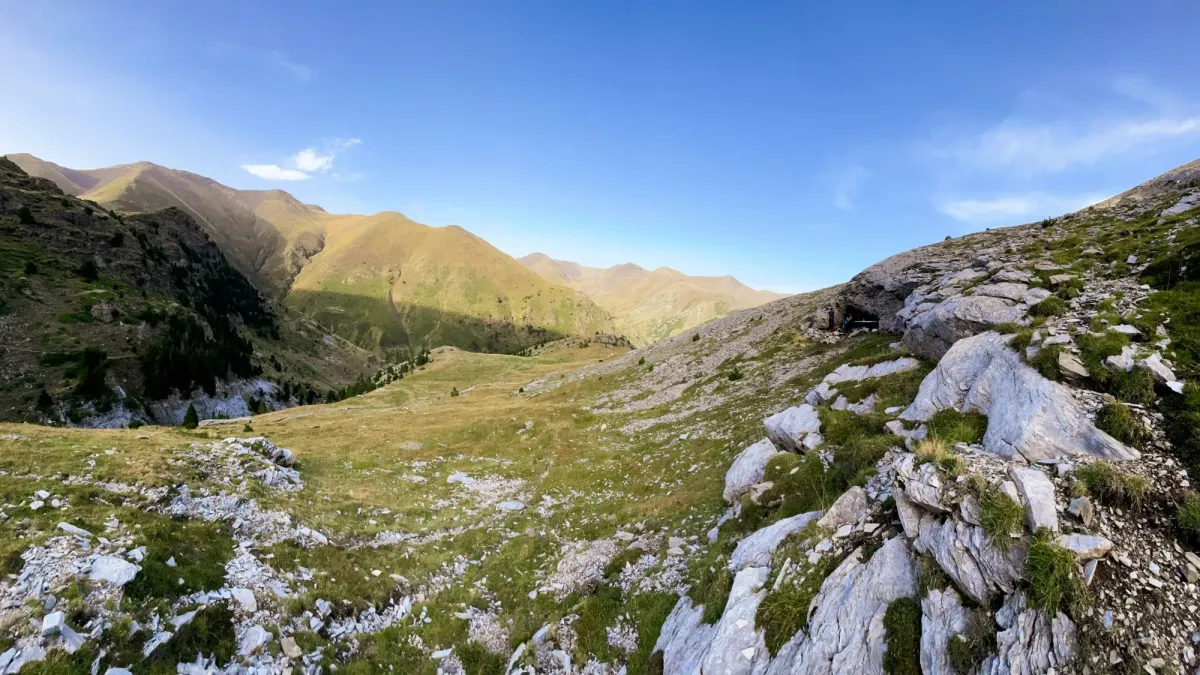
The team uncovered hearths, jewelry, and even human remains — including a child's finger bone and a baby tooth — suggesting people were not just visiting these heights, but potentially living, working, and even burying their dead there as far back as 5,500 years ago. Which, if you think about it, is both impressive and slightly terrifying.
We're a new kind of news feed.
Regular news is designed to drain you. We're a non-profit built to restore you. Every story we publish is scored for impact, progress, and hope.
Start Your News DetoxThe Mountain's Secrets
Cave 338 sits at a dizzying 7,332 feet above sea level in Spain’s Núria Valley. When researchers dug through four layers of rock, the oldest dating back 6,000 years, the real surprises emerged from layers two and three.
They found 23 hearths, all packed with crushed, burned fragments of a green mineral that looks suspiciously like malachite — a copper-rich mineral. This has led the team to a rather brilliant conclusion: Cave 338 was likely a high-altitude mining camp, used repeatedly between 3,000 and 5,500 years ago.
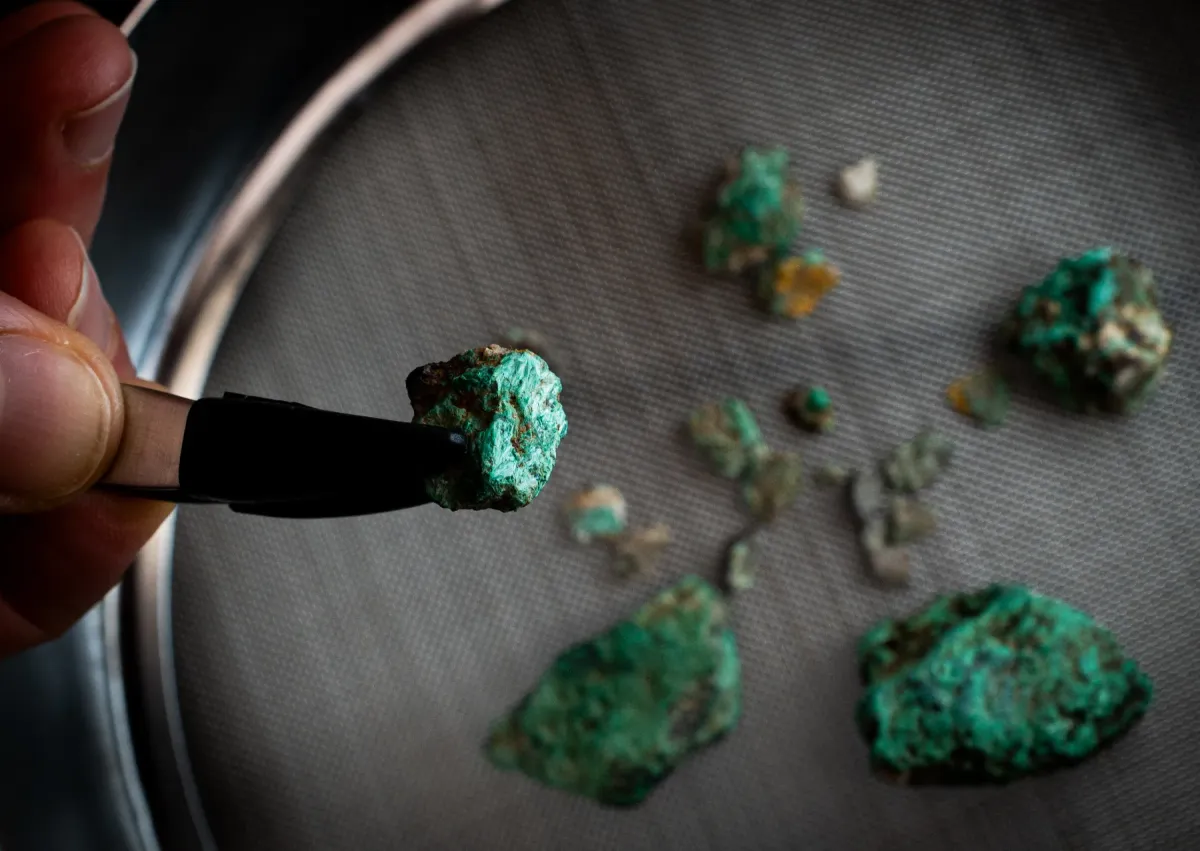
Dr. Julia Montes-Landa, an archaeologist from the University of Granada, noted that many of these fragments showed clear signs of heat alteration. "They weren’t burned by accident," she stated, with the kind of certainty only an archaeologist can muster when staring at 5,000-year-old ash.
The overlapping hearths also suggest that people kept coming back, again and again, over thousands of years. It wasn't a one-off adventure; it was a destination.
Bear Teeth and Tiny Bones
Among the artifacts, the team found a finger bone and a baby tooth, belonging to a child who was around 11 years old when they died. This hints at the possibility of more human remains deeper in the cave, making it a potential burial site. The exact cause of death, or whether the bone and tooth belonged to the same child, remains a mystery for now.
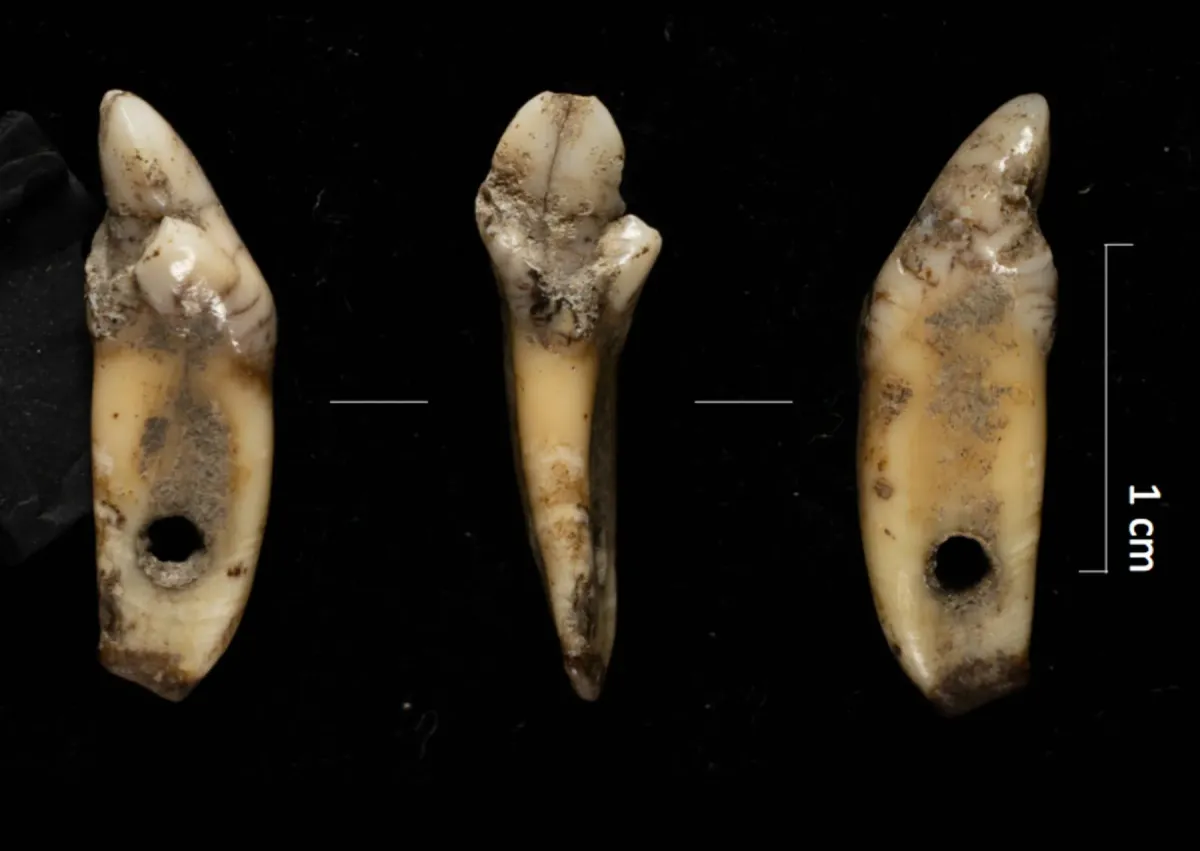
But the bling kept coming. Two pendants were also unearthed from the second layer: one made from a shell, and the other from a brown bear tooth. The bear tooth pendant, dating to the second millennium BCE, is particularly rare.
Dr. Carlos Tornero, a zooarchaeologist, pointed out that the shell pendant is similar to others found in Catalonia, suggesting shared cultural traditions. The bear tooth, however, might have held a more specific, even symbolic, meaning linked to the local environment. Because nothing says 'I'm a local' quite like wearing a piece of the local wildlife.
While Cave 338 wasn't a permanent home, the sheer number of remains and the repeated use over millennia show that these mountain trips were incredibly valuable to our ancestors. They weren't just passing through; they were going somewhere. And we’re just now catching up to where that was.