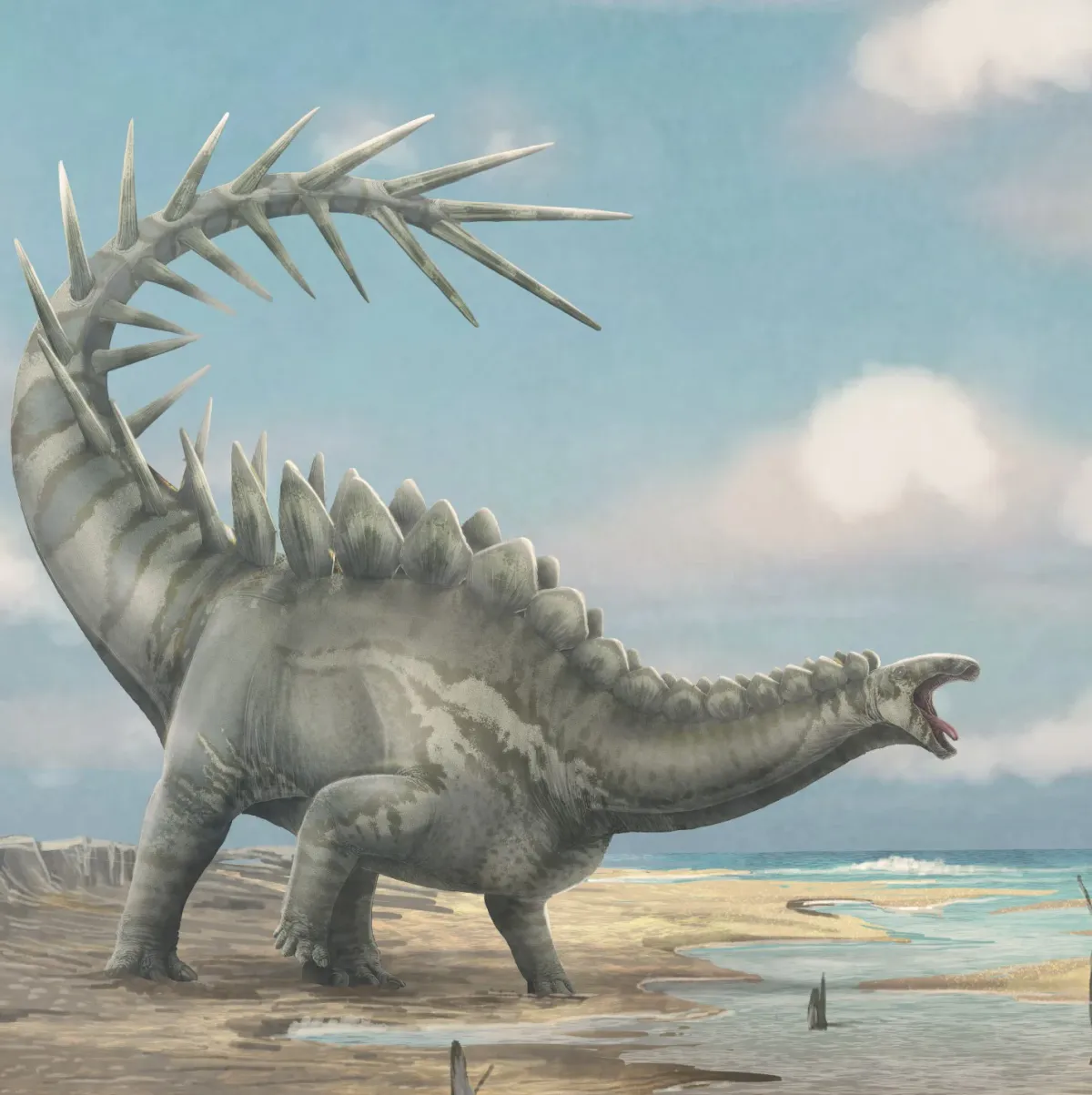
A rare stegosaur skull found in Spain is changing what scientists know about these armored dinosaurs. This discovery offers new details about how stegosaurs spread and evolved across Europe.
Stegosaurs were plant-eaters known for the plates and spikes on their backs and tails. They were part of the Thyreophora group, which also includes ankylosaurs. Stegosaurs were generally lighter and walked on four legs.
A Rare European Stegosaur Skull
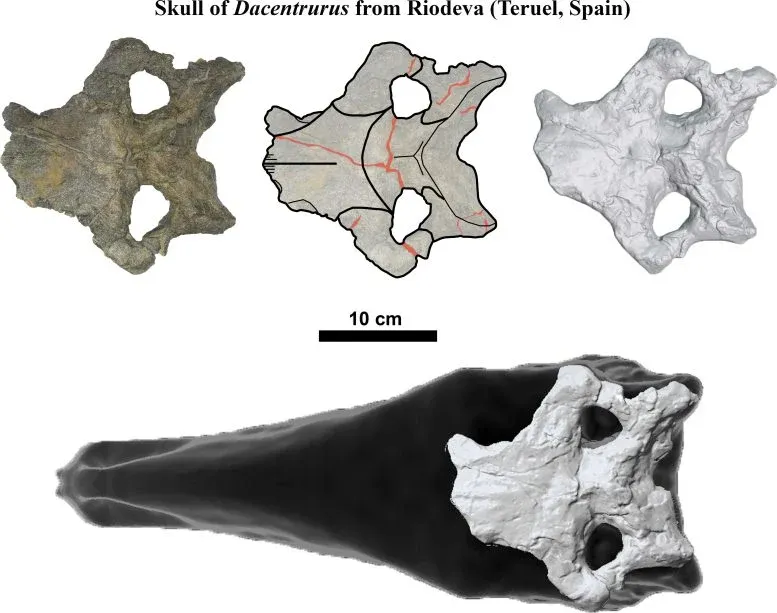
Paleontologists from Fundación Conjunto Paleontológico de Teruel-Dinópolis described the most complete stegosaur skull ever found in Europe. The fossil was uncovered at the "Están de Colón" site in Riodeva, Teruel, Spain. The rocks where it was found are from the Late Jurassic period, about 150 million years ago.
We're a new kind of news feed.
Regular news is designed to drain you. We're a non-profit built to restore you. Every story we publish is scored for impact, progress, and hope.
Start Your News DetoxThe skull belonged to Dacentrurus armatus, a European stegosaur first identified in 1875. This find is especially important as 2025 marks 150 years since the species was named.
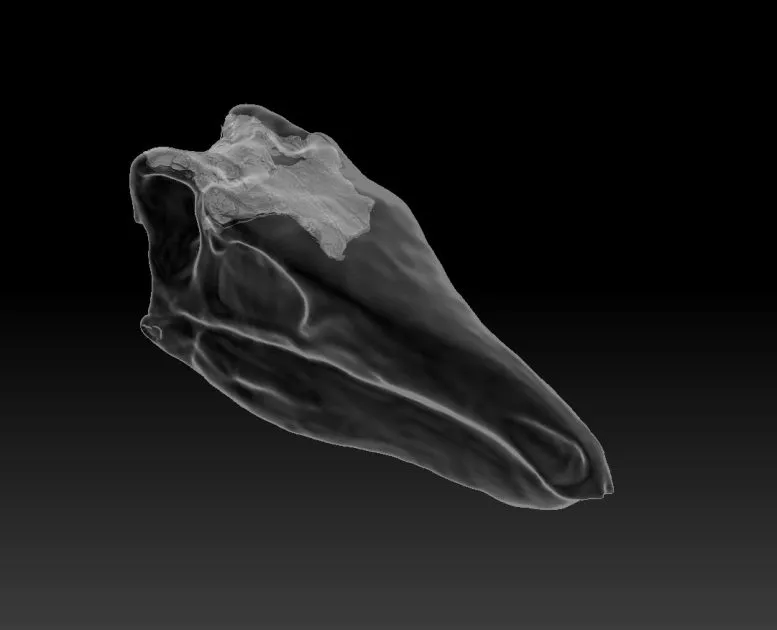
Stegosaur skulls are very rare because their bones were thin and easily broken. Most known species are based on partial skeletons, making it hard to understand how their heads, feeding habits, and family ties changed over time. This new skull includes the back part of the skull roof, with bones like the frontal, postorbital, squamosal, parietal, and supraoccipital. A neck bone found nearby helped confirm its identity.
Sergio Sánchez Fenollosa, a researcher at Fundación Dinópolis and co-author of the study, noted that this fossil helps reveal unknown parts of Dacentrurus armatus's anatomy. He added that the discovery is key to understanding how stegosaur skulls evolved.
The fossil also showed a new skull feature in Dacentrurus armatus: the supraoccipital bone at the back of the skull was angled differently than in other stegosaurs. Researchers think this might be related to the dinosaur's unusually long neck and how its head was held.
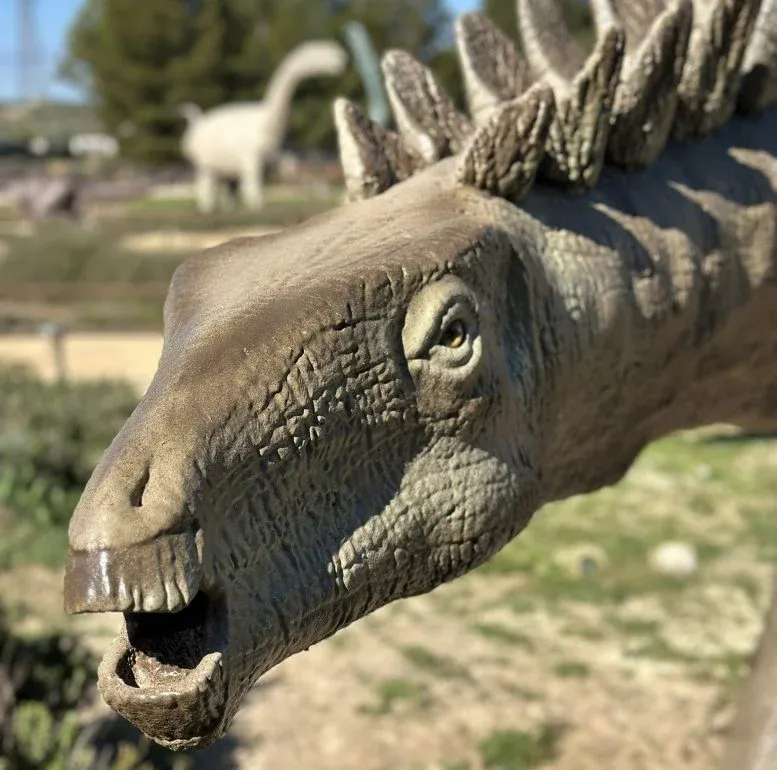
New Ideas on Stegosaur Evolution
The team used the fossil to create a new evolutionary analysis of stegosaurs. They compared 115 anatomical features across 30 fossil groups. Their findings split stegosaurs into two main branches: Huayangosauridae and Stegosauridae. They also introduced a new group called Neostegosauria. This group includes later, medium to large stegosaurs from Africa, Europe, North America, and Asia.
This analysis also brings up bigger questions about stegosaur evolution. It supports the idea that Isaberrysaura mollensis from Argentina was a stegosaur. It also places Alcovasaurus longispinus and Kentrosaurus aethiopicus close to Dacentrurus. The study suggests that some Asian stegosaurs lived into the Early Cretaceous period. It also challenges the idea of combining Wuerhosaurus with Stegosaurus, suggesting a new look at Early Cretaceous Chinese stegosaurs is needed.
Sánchez Fenollosa explained that their work redefines the evolutionary relationships of stegosaurs worldwide and formalized the new Neostegosauria group.
A Promising Fossil Site
Alberto Cobos, managing director of Fundación Dinópolis and co-author, said this research is a global reference for stegosaur studies.
The Riodeva site has uncovered about 200 fossils. These include remains of at least two stegosaurs at different growth stages, along with fossils from theropods, sauropods, ornithopods, crocodylomorphs, and fish. More bones from the same adult Dacentrurus specimen are still being prepared, suggesting this skull is just the beginning of what the site can reveal.
Cobos noted that the Riodeva site continues to be a research focus and still holds many important fossils. This includes more bones from the adult specimen and, notably, juvenile individuals, which are very rare for these dinosaurs. These discoveries greatly add to the paleontological heritage of Teruel province, making it a key region for understanding life's evolution on Earth.
Deep Dive & References
New insights into the phylogeny and skull evolution of stegosaurian dinosaurs: An extraordinary cranium from the European Late Jurassic (Dinosauria: Stegosauria) - Vertebrate Zoology, 2025