The Galápagos Islands are still a hub of evolution. New research shows that evolution is happening in unexpected ways, nearly 200 years after Darwin's finches changed our understanding of life.
When Charles Darwin visited in 1835, he collected birds. He first thought they were different species like sparrows and woodpeckers. Later, he realized they were all closely related finches. Their different beaks showed how they adapted to various diets.
This became a classic example of parallel evolution. This is when similar traits appear more than once, but through different genetic paths. Darwin's finch observations supported his theory of evolution by natural selection. It showed how species change over time based on their environment.
We're a new kind of news feed.
Regular news is designed to drain you. We're a non-profit built to restore you. Every story we publish is scored for impact, progress, and hope.
Start Your News DetoxProfessor Michael D. Martin from the Norwegian University of Science and Technology (NTNU) University Museum noted that the Galápagos Islands continue to reveal new biology. This is true even over 150 years after Darwin's work.
Discoveries in Galápagos Science
Martin is part of a global research team. They studied evolution in Scalesia plants, also known as Galápagos giant daisies. Their findings were published in Nature Communications.
Vanessa Bieker, the study's lead author from the Royal Botanic Gardens, Kew, said these plants evolved quickly. They did so after arriving in the Galápagos from mainland South America, much like Darwin's finches.
The Scalesia genus is quite new, with all current species appearing within the last one million years. They have adapted to many island environments, from wet highland forests to dry lowland areas.
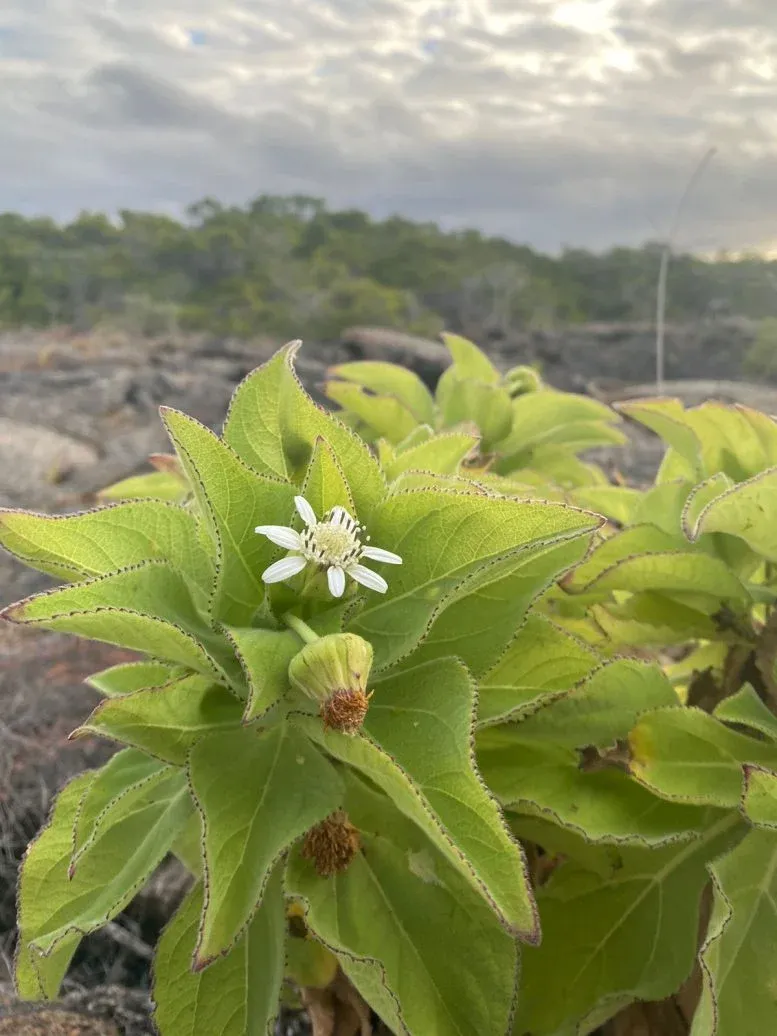
Martin noted that the appearance of different species varies greatly. They range from small shrubs to tall trees. The leaves are especially striking, from large and smooth to small and deeply lobed.
Leaf Adaptations and Genetic Pathways
Lobed leaves, with their complex edges, are thought to help plants handle heat and dryness. They do this by reducing water loss and improving heat release. Until now, scientists did not know how this trait developed genetically.
The team sequenced the full genomes of all known Scalesia species. They found that lobed leaves evolved many times. This happened independently in different parts of the family tree.

Some populations might already be on separate evolutionary paths. Many Scalesia groups could be unique lineages not yet classified as distinct species.
Bieker found it surprising that each time this trait evolved, it used different genes. These genes all belong to the same biological system that controls leaf development.
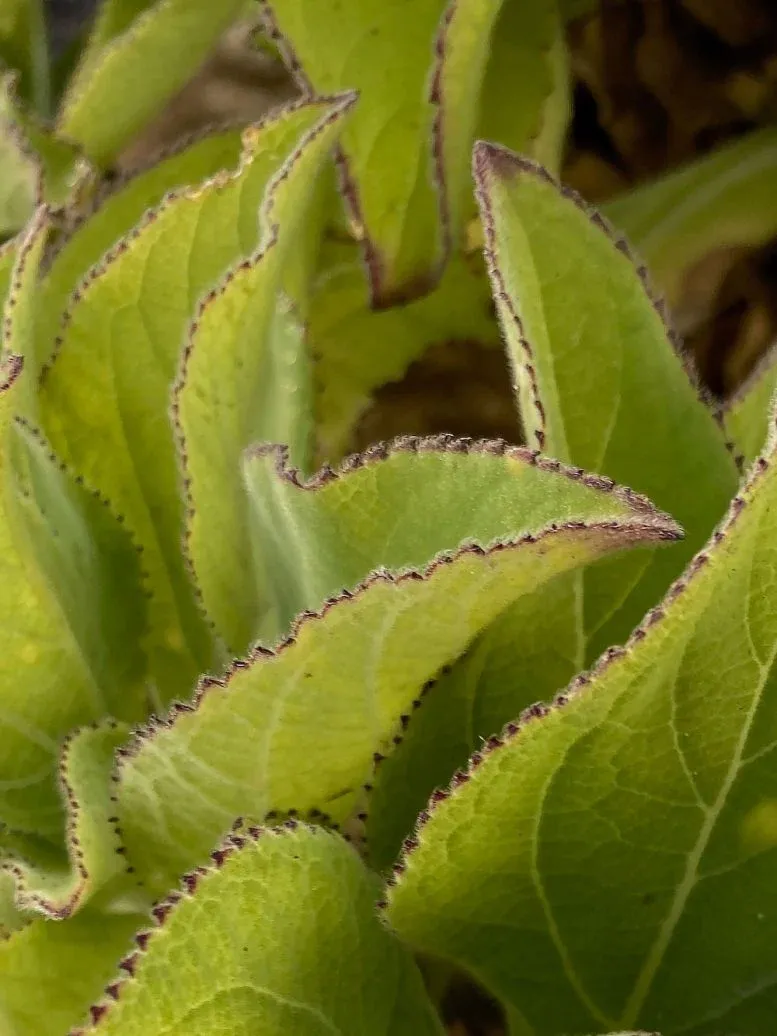
This is a clear example of parallel evolution. Nature finds the same solution multiple times, but through different genetic routes. Evolution seems to use a network of interacting genes, adjusting different parts to get similar results.
Ongoing Speciation and Conservation
These findings show how complex traits can evolve repeatedly in nature. The study also proves that evolution in these plants is still happening today.
Martin explained that populations within the same species show large genetic differences. They have been isolated for long periods. This means new species might be forming. Many Scalesia populations could be distinct evolutionary lineages not yet formally described.
The researchers suggest treating each isolated population as its own conservation unit. This could change how the Galápagos ecosystem is protected. Their work also details how one species can quickly split into many different forms.
Bieker highlighted the flexibility and creativity of evolution. She noted that Darwin also collected many plant specimens in the Galápagos. Seventy-eight of these were new species, including four types of Scalesia.
Deep Dive & References
The genomic basis of adaptive leaf variation in the Galápagos giant daisies - Nature Communications, 2026