A small, newly found document from ancient Dongola is changing what historians know about Sudan's past. This period was previously not well understood.
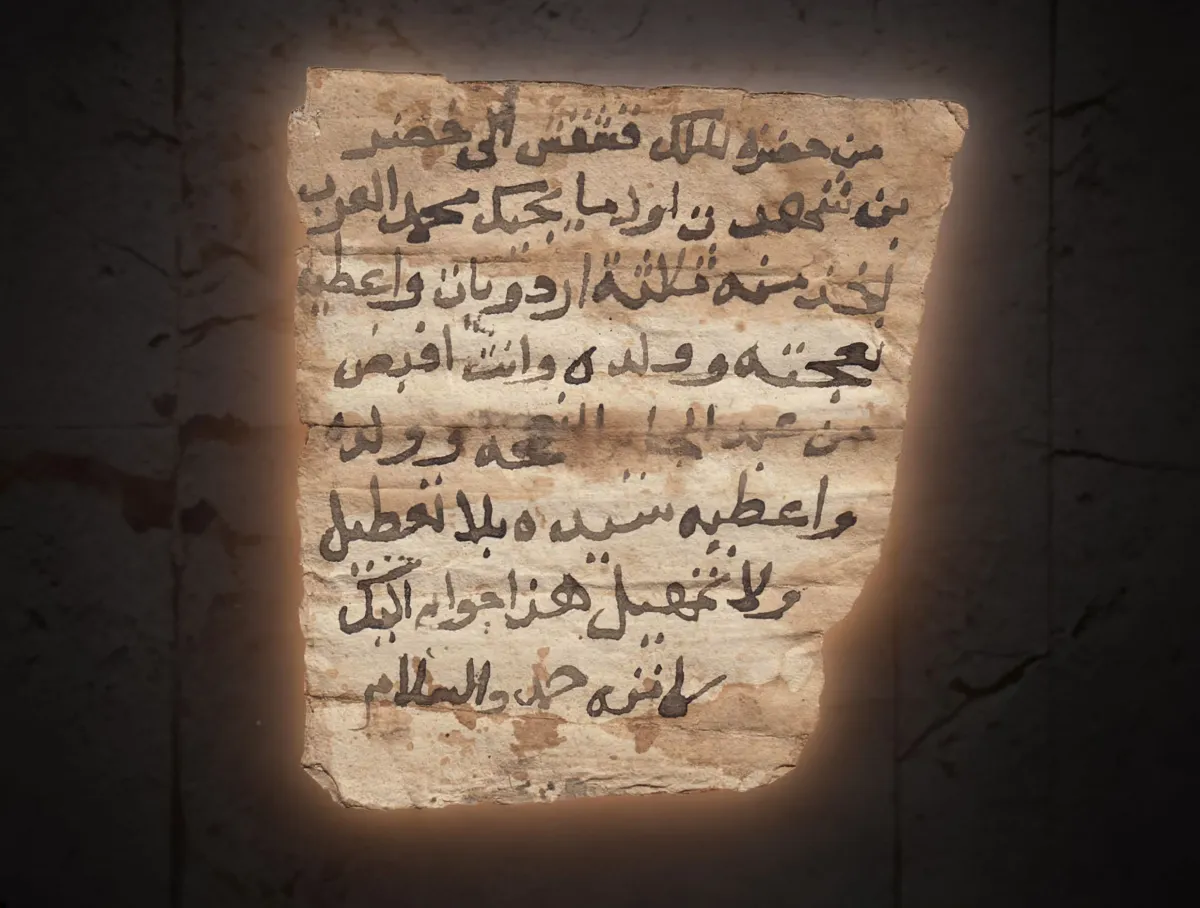
The Arabic document was found in the ruins of Old Dongola. It helps confirm that King Qashqash, long thought to be a legend, actually existed.
A Glimpse into Nubian Kingship
The study, published in Azania: Archaeological Research in Africa, looks at a newly found order issued in Qashqash’s name. This text was found in a special home within the city's citadel. It talks about trading textiles and animals.
We're a new kind of news feed.
Regular news is designed to drain you. We're a non-profit built to restore you. Every story we publish is scored for impact, progress, and hope.
Start Your News DetoxThis document, though simple, offers rare proof of rulers, trade, social connections, and how Arabic writing spread in Nubia during the Funj period. The authors say it gives a "rare glimpse into Sudanic kingship" during "one of the least-documented periods in Sudanese history."
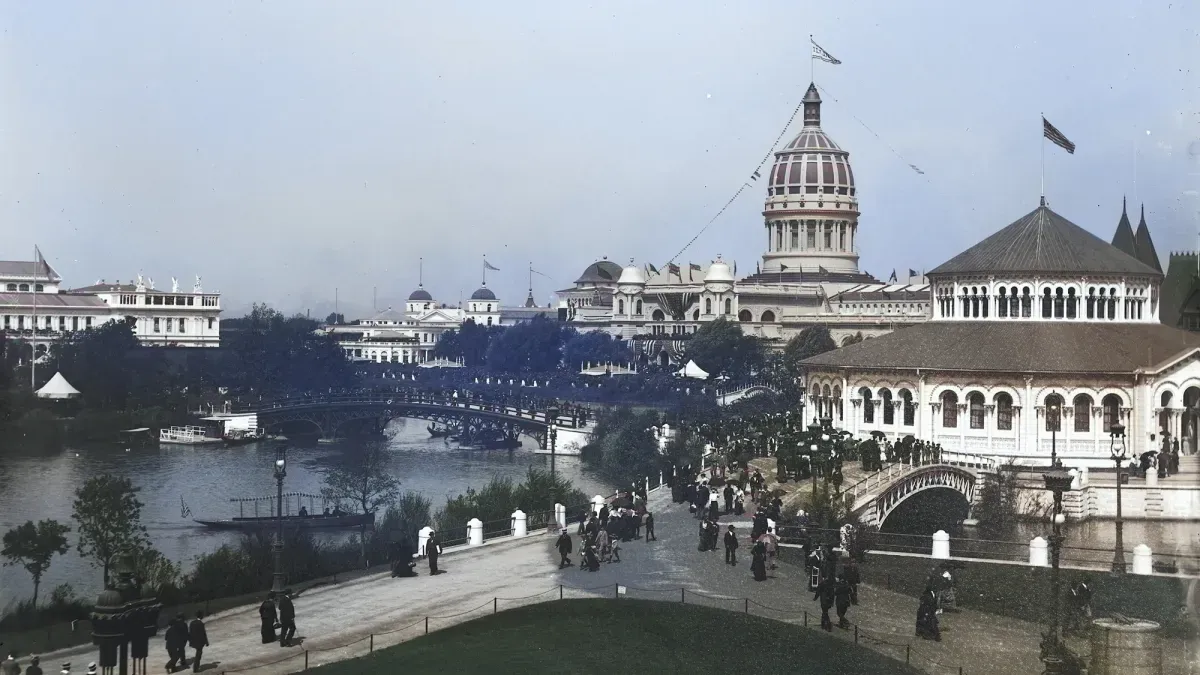
Old Dongola is in what is now northern Sudan. It used to be the capital of Makuria, a strong Christian Nubian kingdom. By the mid-1300s, the city was no longer a capital. The next few centuries are hard to piece together.
This time was not a quick change from a Christian past to an Islamic future. The authors point out that Arabization and Islamization happened slowly. Nubian traditions, Arabic writing, Islamic power, and local politics all mixed together for many generations.
During the Funj period (1504–1821), Dongola was located between Ottoman Egypt to the north and the Sultanate of Sennar to the south. Even after it stopped being a capital, it stayed connected to trade routes. These routes linked Cairo, Sennar, Darfur, and other parts of Africa.
A Royal Home and Everyday Business
The document was found in Building A.1, also known as the House of the Mekk, or ruler’s house. This tradition is supported by archaeological findings. The building was larger and more complex than other homes there. Its contents show it was a place for important people.
Excavators found cotton, linen, silk, leather shoes, a gold ring, and a dagger handle made of ivory or rhinoceros horn. They also found lead balls and a cattle horn, likely used as a gunpowder flask. This suggests the residents had firearms, which were valuable items in precolonial Nubia.
Between 2019 and 2021, researchers found 23 paper documents in the building. These included letters, good luck charms, a legal text, and an administrative list. The king’s order came from Room U128, a space about 5 by 4 meters (16 by 13 feet). The documents had been thrown away in layers of trash.
The paper itself is small, only 10.5 by 9.5 centimeters (4.1 by 3.7 inches). Coins and radiocarbon dating show it was discarded between the 1600s and 1700s. However, clues in the document suggest it was written earlier, in the late 1500s or early 1600s.
The order is not a grand royal decree. Instead, it concerns a practical exchange. A man named Khiḍr was told to handle goods between Muḥammad al-ʿArab and ʿAbd al-Jābir. The items included textiles, a ewe, and her lamb. A damaged part of the text might refer to cotton cloth or headwear, which could have been important for elite status.
This ordinary subject makes the document valuable. It shows a king managing relationships, duties, and access to goods, rather than being at war. The authors say the exchange likely showed "micropolitical actions aimed at strengthening social ties," not just trade for profit. They want to show "the King of Nubia at work, not at war, but in everyday management."
From Legend to History
Before this discovery, Qashqash was mainly known from the Kitāb al-Ṭabaqāt. This 19th-century book is a collection of biographies based on oral stories about Sudanese holy men. In that book, Qashqash appears in a family tree connected to Sheikh Ḥilālī and Muḥammad b. ʿĪsā Suwār al-Dhahab, a very respected religious figure in Sudan.
Because this information came from later religious stories, Qashqash’s historical existence was uncertain. The new document changes that. The study identifies him as the earliest known post-medieval king of Dongola. It also strengthens the idea that King Ḥasan, described as his son in later stories, was also a real ruler.
The authors say the order provides "a compelling argument for the historicity of both rulers."
Arabic Writing in Nubia
The document also shows a time of language change. It was written in Arabic, but not perfect Classical Arabic. Its spelling and grammar have unusual forms. This suggests that Arabic was becoming important for written administration, even though Nubian languages were likely still used in daily life.
The order names the scribe as Ḥamad. This shows that Qashqash relied on people who could write. Khiḍr, the person who received the order, might also have been able to read Arabic or knew someone who could.
The authors say this find helps reveal "the linguistic transformations and cultural interactions that have shaped Nubia over time."
This king’s order is just a small piece of paper. But it confirms that Qashqash was a real person, not just a legend. It also shows Dongola as an active political center after Makuria’s decline. Rulers there managed trade, favors, and local power through everyday decisions.
Deep Dive & References
The King of Nubia at work: archaeological context and text edition of a sixteenth/seventeenth-century Arabic document from Old Dongola - Azania: Archaeological Research in Africa, 2026