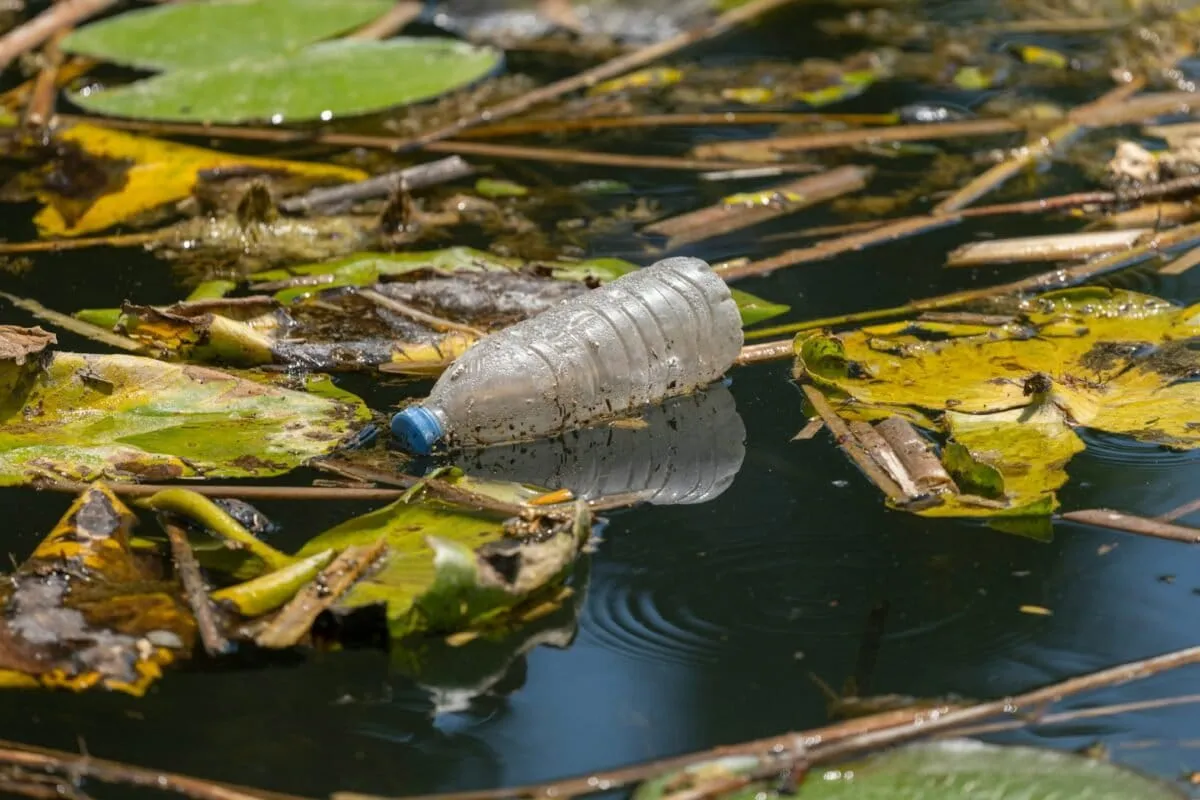
We've been making plastic for about 70 years, and almost all of it is still here. Over 8 billion metric tons of the stuff since the 1950s—most of it sitting in landfills, oceans, and our own bodies. The problem is so deeply baked into how we make things that we're on track to produce another 25 billion metric tons by 2050.
But here's what's wild: nature figured out how to make strong, durable materials that actually break down. Bones, shells, silk—they're built to last exactly as long as they're needed, then harmlessly decompose. It's the opposite of our plastic model, which is basically "make it, use it, abandon it forever."
Chemists at Rutgers University decided to steal nature's playbook. And last November, they published research showing they'd designed a plastic that can self-destruct on cue—like a material with a built-in expiration date.
We're a new kind of news feed.
Regular news is designed to drain you. We're a non-profit built to restore you. Every story we publish is scored for impact, progress, and hope.
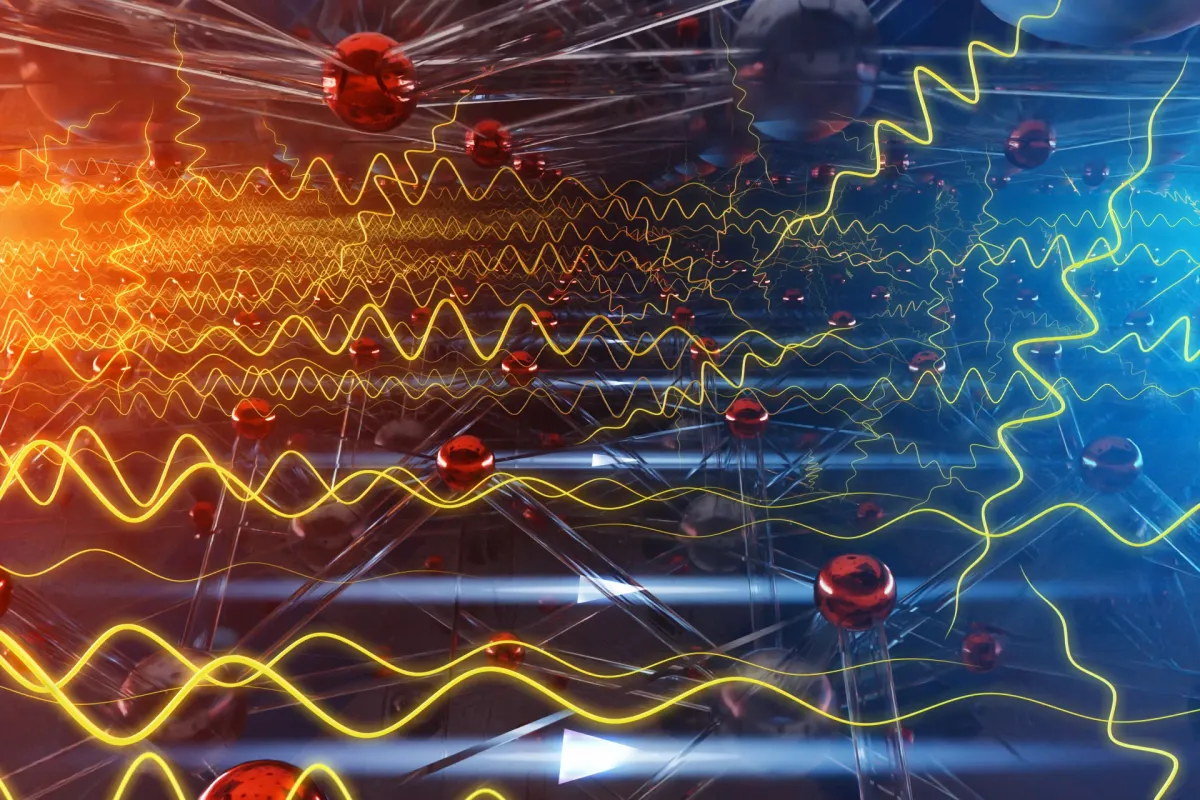
Start Your News DetoxThe breakthrough hinges on a new molecular structure that mimics how natural materials break down. The researchers engineered plastic polymers that stay stable during normal use but can be triggered to decompose at the end of a product's life. The timing isn't accidental—it can be programmed in from the start. Use it for five years? The plastic can be designed to hold strong for exactly that long, then fall apart into harmless components.
This matters because the current system is fundamentally broken. We treat plastic like it's eternal because, practically speaking, it is. A grocery bag used for 20 minutes might persist for 500 years. That gap between utility and lifespan is the entire problem. If you could match them—if a product lasted exactly as long as it needed to, then safely disappeared—you'd flip the entire waste crisis on its head.
The research is early. Lab breakthroughs don't automatically become products on shelves. There's the small matter of scaling up production, proving the approach works across different plastic types, and making sure the decomposition process actually happens in real-world conditions, not just controlled experiments. But the direction is significant: instead of asking "how do we clean up plastic after it breaks," these researchers are asking "what if plastic was designed to break down cleanly from the start."
The next phase will test whether this can work for everyday items—packaging, bottles, textiles. If it does, you're looking at a genuine reset in how we manufacture one of the most consequential materials on Earth.