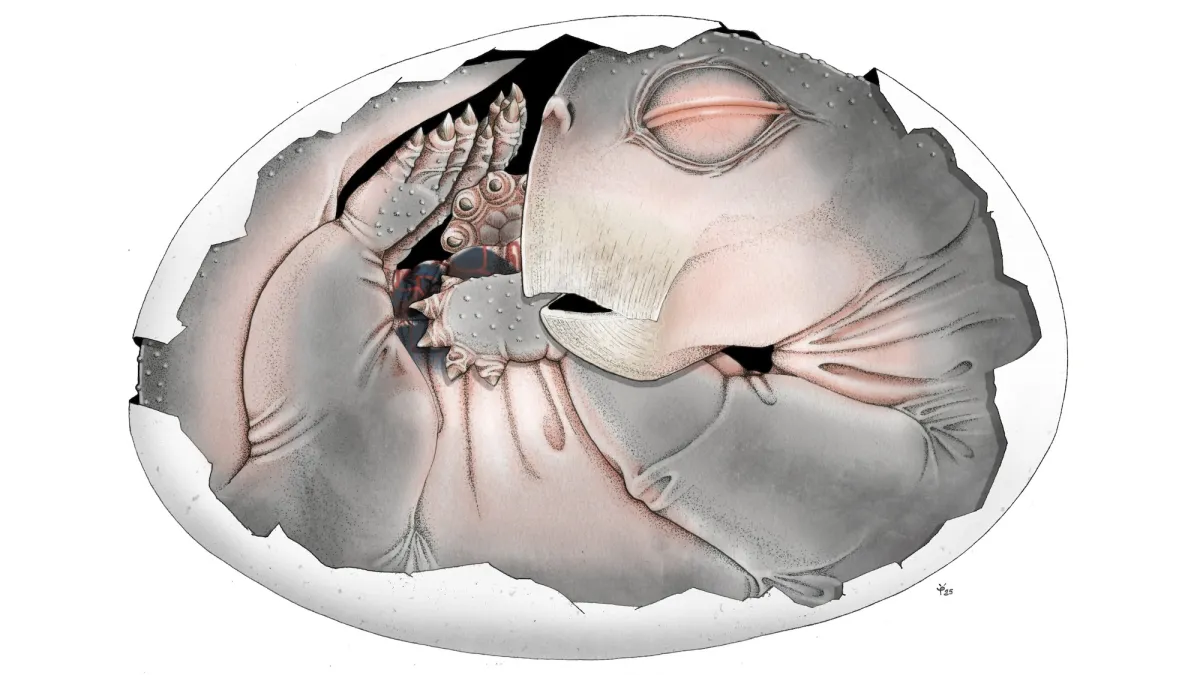
Every mammal you know (and probably love) gives birth to live young. Except, of course, for the platypus and its echidna cousins, those delightful oddballs known as monotremes, who apparently didn't get the memo about internal gestation.
For decades, scientists have been scratching their heads, wondering if our very earliest mammal ancestors were also in the egg-laying club. Now, after a nearly 20-year saga involving a tiny fossil, advanced X-rays, and a whole lot of patience, we finally have an answer. Spoiler: they were.
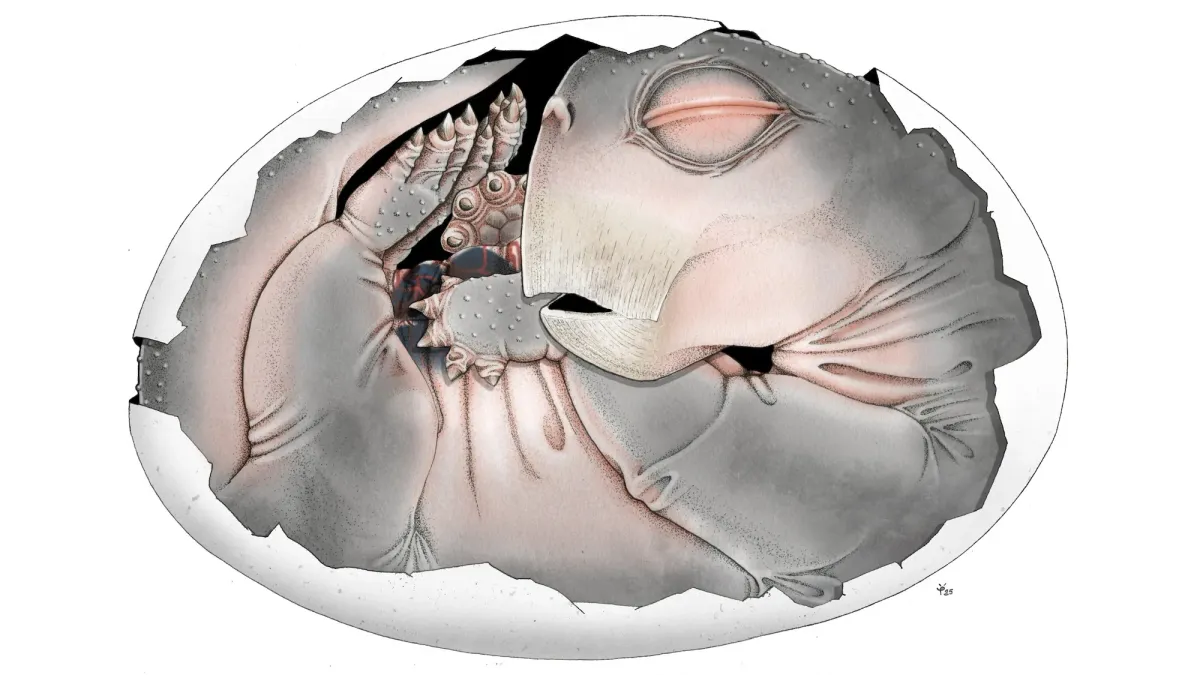
The findings, published in PLOS One, confirm that the 250-million-year-old Lystrosaurus — a key player in mammal evolution — was indeed an oviparous pioneer. Which, if you think about it, is both impressive and slightly terrifying given what these creatures lived through.
We're a new kind of news feed.
Regular news is designed to drain you. We're a non-profit built to restore you. Every story we publish is scored for impact, progress, and hope.
Start Your News DetoxThe Little Fossil That Could
The story began almost 17 years ago in South Africa's Karoo Basin, a place so dry it makes your mouth pucker, but so rich in ancient fossils it's practically a paleontologist's playground. John Nyaphuli, a sharp-eyed fossil finder, spotted a small nodule. At first, it just looked like a few bone flecks. But as he carefully chipped away, a perfectly curled-up Lystrosaurus hatchling emerged.
These plant-eaters were the ultimate survivors. They popped up after the End-Permian Mass Extinction, an event so catastrophic it makes most modern-day crises look like a Tuesday afternoon. We're talking 252 million years ago, likely thanks to Siberian volcanic eruptions that wiped out 57% of all life and a staggering 70% of land vertebrates. Yet, Lystrosaurus shrugged off the harsh climate, scorching temperatures, and constant droughts, and just… thrived.
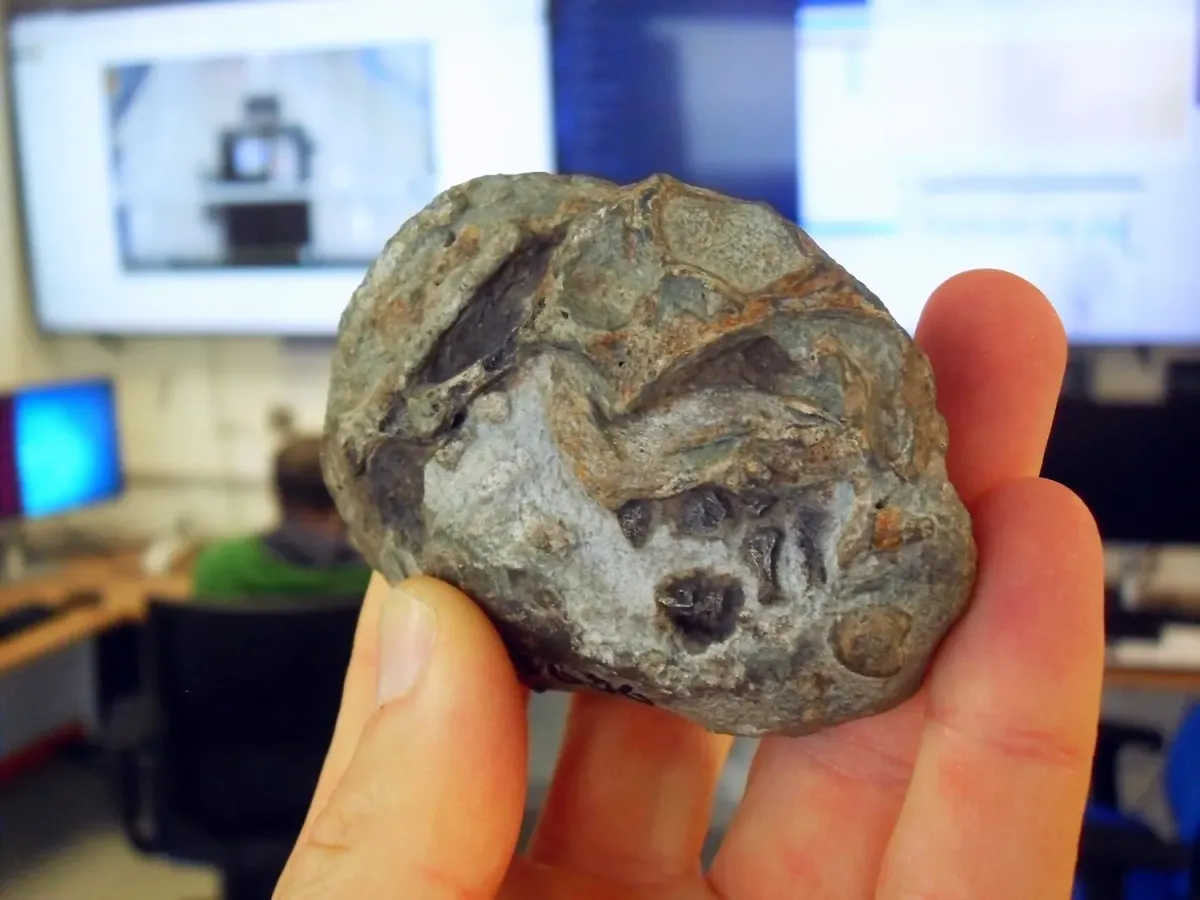
Back in 2008, paleobiologist Jennifer Botha and her team suspected this little guy was still in its shell. But without the right imaging tech, it was just a very compelling hunch.
X-Rays, Jaws, and the Big Reveal
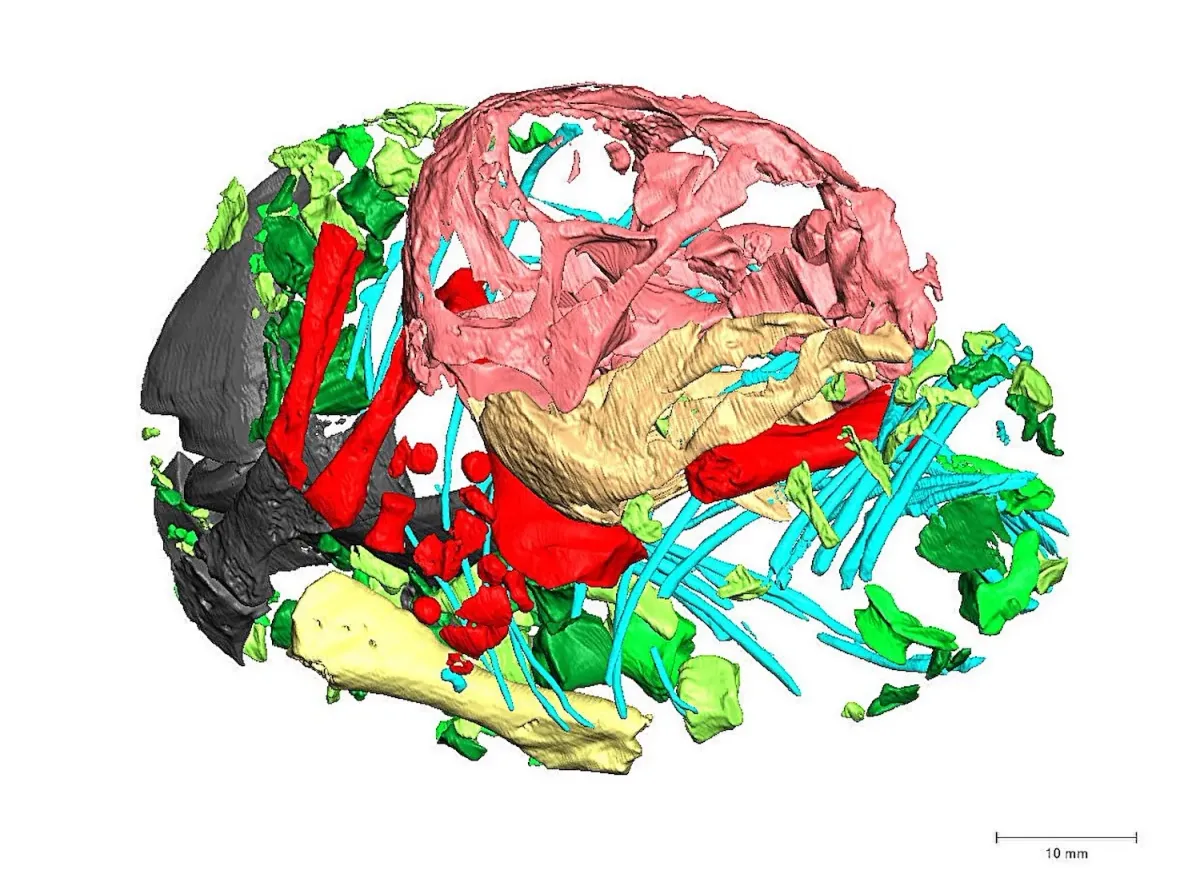
Enter the European Synchrotron Radiation Facility in France, armed with advanced synchrotron X-ray CT scanning. Basically, a giant, super-powered X-ray machine. Botha brought her precious fossil there, and collaborators finally got a proper look.
What they found was the clincher: an incomplete mandibular symphysis. That's the part of the lower jaw that has to fuse together during development for an animal to, you know, eat. Since this little Lystrosaurus's jaw wasn't fused, it couldn't have fed itself. Which means it wasn't fully developed. Which means it was still in an egg. QED.
Julien Benoit, another paleobiologist on the team, was understandably thrilled. The team now believes Lystrosaurus laid soft-shelled eggs, which perfectly explains why finding fossilized evidence has been such a nightmare for so long. Soft shells don't exactly stick around for millions of years.
Survival of the Egg-Layers
This ancient egg, while small, was large relative to the proto-mammal's body. Today, bigger eggs usually mean more yolk, which is like a packed lunch for the embryo, providing all the nutrients it needs without parental input. Larger eggs are also better at fending off dehydration, a crucial feature in a post-apocalyptic, drought-ridden world.
It seems these Lystrosaurus hatchlings were already pretty well-developed when they broke free. This gave them a leg up (or four) in avoiding predators, fending for themselves, and reproducing quickly — essentially, the ultimate survival strategy for a species that just watched the world burn.
This discovery doesn't just fill a gaping hole in our understanding of mammal evolution. It also offers a rather poignant lesson in resilience. As Benoit put it, this work shows how adaptable life can be during rapid climate change and ecological crises. A breakthrough in paleontology, he says, that's surprisingly relevant to our current biodiversity and climate challenges. Because apparently, we're still figuring out how to survive the planet, just like our ancient, egg-laying ancestors.