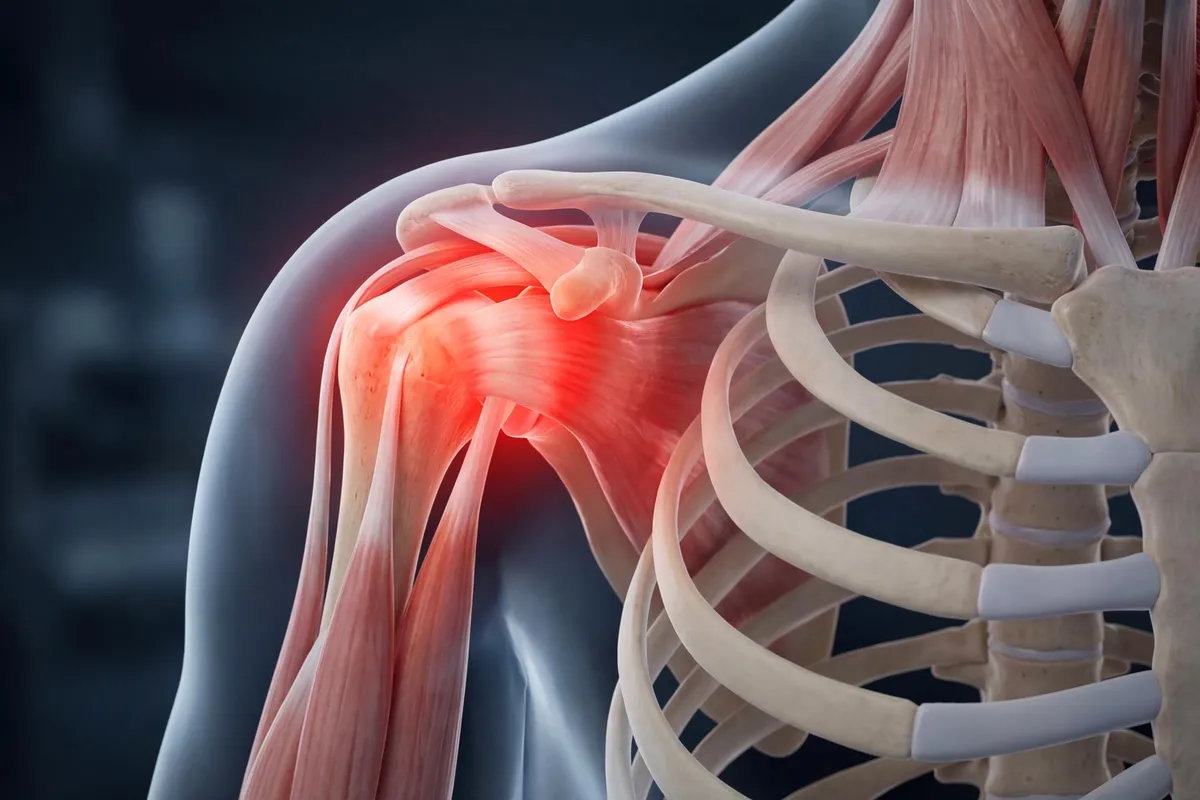
Ever notice how a pulled muscle just hangs around a little longer than it used to? Welcome to the club. As we get older, our muscles take their sweet time healing up. And for years, scientists just figured, "Well, that's aging for ya." But new research from UCLA suggests something far more interesting is at play.
It turns out, the very thing slowing down our muscle repair might also be what's keeping our muscle stem cells alive in the first place. Because apparently, in the cutthroat world of aging tissue, survival is the ultimate flex.
The Protein That Plays Both Sides
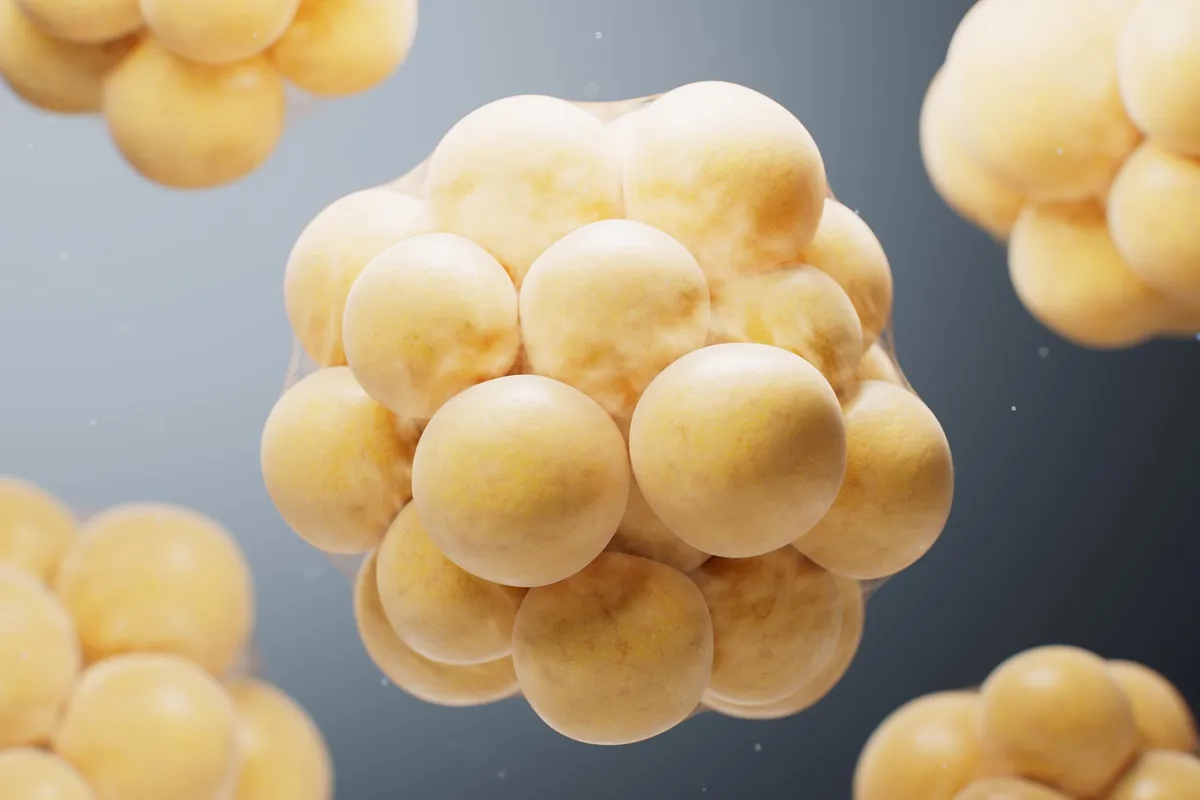
Researchers, poking around in mouse muscle stem cells (because mice are basically tiny, furry, scientific stand-ins for us), discovered a protein called NDRG1. And this protein? It's a bit of a double agent. In older cells, NDRG1 levels shoot up – about 3.5 times higher than in their younger counterparts. It acts like a brake on a pathway called mTOR, which is usually the 'go-go-go' signal for cell activation and growth. So, yes, it slows things down.
We're a new kind of news feed.
Regular news is designed to drain you. We're a non-profit built to restore you. Every story we publish is scored for impact, progress, and hope.
Start Your News DetoxBut here's the twist: this slowdown also protects the cells. It helps them survive the increasingly tough conditions found in aging tissue. Dr. Thomas Rando, a senior author on the study, put it perfectly: the stem cells that survive aging might not be the best at their job, but they are certainly the best at surviving.
When the team blocked NDRG1 in older mice, their aged stem cells suddenly remembered their youthful vigor. They activated faster, and muscle repair improved. Victory! Except, not so fast. Without NDRG1's protective embrace, fewer stem cells stuck around over time. Which meant that while they were great at one-off repairs, they were terrible at the long game, reducing the tissue's ability to recover from repeated damage.
Dr. Rando compared it to sprinters versus marathon runners. Young cells are sprinters — quick, explosive, but not built for endurance. Aged cells? Marathon runners. Slower to respond, but they're in it for the long haul. What makes them good at the marathon makes them less effective at the sprint. It’s a cellular trade-off.
Survivorship Bias: When Slow and Steady Wins (Kind Of)
The scientists have a name for this phenomenon: "cellular survivorship bias." Basically, the stem cells that don't load up on NDRG1 tend to kick the bucket early. What's left is a population of cells that are more resilient, more durable, but also less efficient at their primary job. It's like natural selection, but for your aging biceps.
This changes the whole narrative around aging. What we often see as a 'bad' age-related change — like slower healing — might actually be a necessary evil, preventing something far worse, like the complete disappearance of those crucial stem cells. It’s a biological sacrifice, prioritizing existence over peak performance.
So, future treatments might aim to tweak this balance, speeding up repair without accidentally signing the stem cells' death warrant. But as Dr. Rando dryly notes, there’s "no free lunch." Any intervention will likely come with its own set of trade-offs. Because when it comes to aging, sometimes just staying in the game is the biggest win of all.