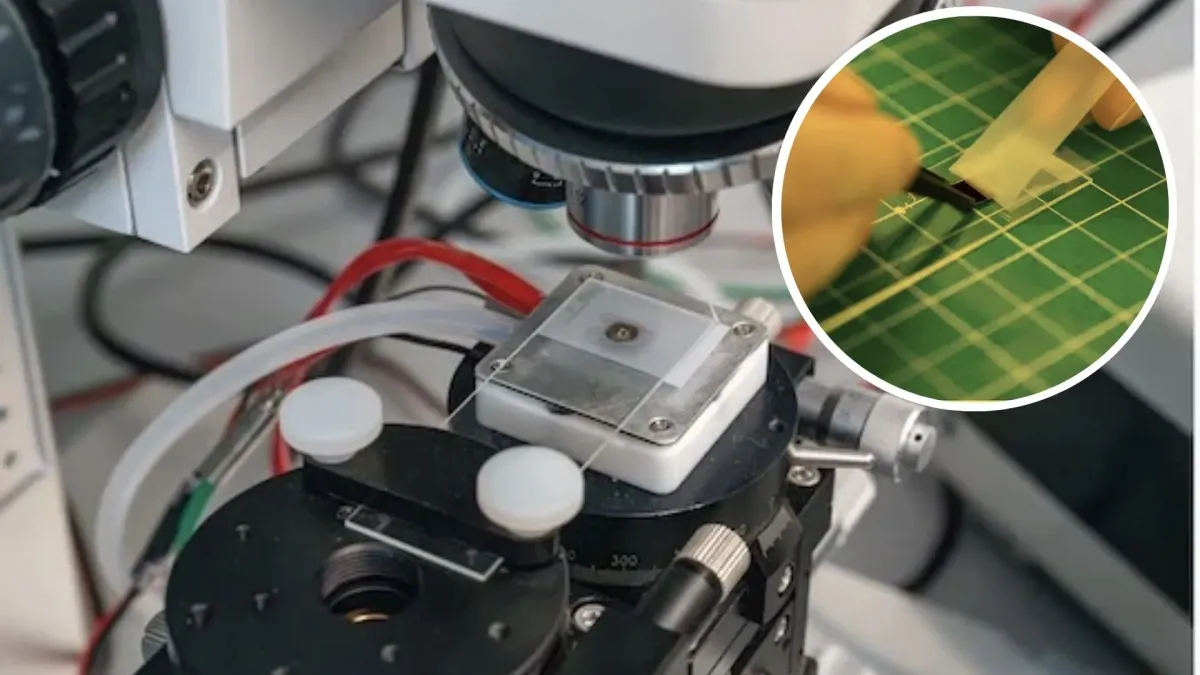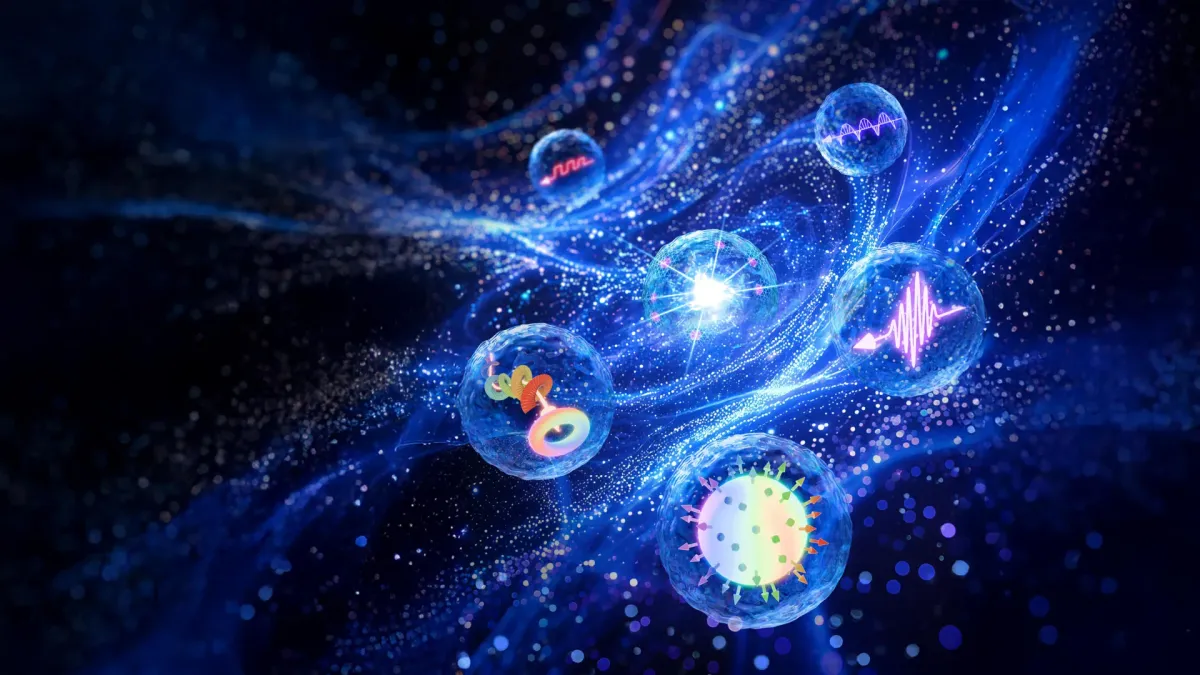
For years, quantum teleportation worked like a single-lane road: researchers could send one quantum state at a time from point A to point B. Now a team at Shanxi University has cracked how to send five at once—and choose how many to send in real time.
This matters more than it might sound. Quantum teleportation doesn't move physical objects. Instead, it transfers the information that defines a quantum state using two things: entangled particles and a classical message sent the old-fashioned way. The trick is that real communication systems—the ones that actually power networks—don't work one channel at a time. They work in parallel. A fiber optic cable carries thousands of signals at once. If quantum communication is ever going to scale beyond the lab, it needs to do the same.
Xiaolong Su's team solved this by controlling the phase of classical communication channels and tuning their frequencies with precision. Within a 24 MHz bandwidth, they demonstrated deterministic teleportation of up to five quantum states simultaneously. The outputs reached about 70% fidelity—high enough to clear the non-cloning limit, a benchmark that separates genuine quantum teleportation from anything classical systems could fake.
We're a new kind of news feed.
Regular news is designed to drain you. We're a non-profit built to restore you. Every story we publish is scored for impact, progress, and hope.
Start Your News DetoxWhat makes this result stick is the control built in. The researchers didn't just show that multiple states could be teleported in parallel. They showed they could choose how many to teleport in any given run, adjusting the number through phase control of the classical channel. That flexibility is crucial for practical systems, where you want to adapt to what you're actually trying to send.
The work points toward a clearer path forward: packing more quantum information into the same physical setup without needing separate hardware for each channel. It's the kind of incremental breakthrough that doesn't grab headlines but moves the needle on whether quantum networks ever become real infrastructure rather than experimental curiosities.
The next step is obvious—push toward even more simultaneous channels and higher fidelities. But the hard part, the part that usually stops progress, has already been cracked: showing that quantum teleportation can scale.