Get this: Researchers just pulled 3.5 tons of ancient Chinese porcelain from a shipwreck found right off the coast of Singapore. Seriously, 3.5 tons. That's like finding a treasure chest the size of a small car, but filled with delicate, centuries-old dishes.
This isn't just any old pottery. We're talking about the Temasek Wreck, Singapore's very first ancient shipwreck discovery. And the amount of blue-and-white porcelain? It's more than any other known shipwreck, ever. Dr. Michael Flecker, who's leading the charge, says it's a huge deal for understanding trade back in the Yuan dynasty.
A Deep Dive into History
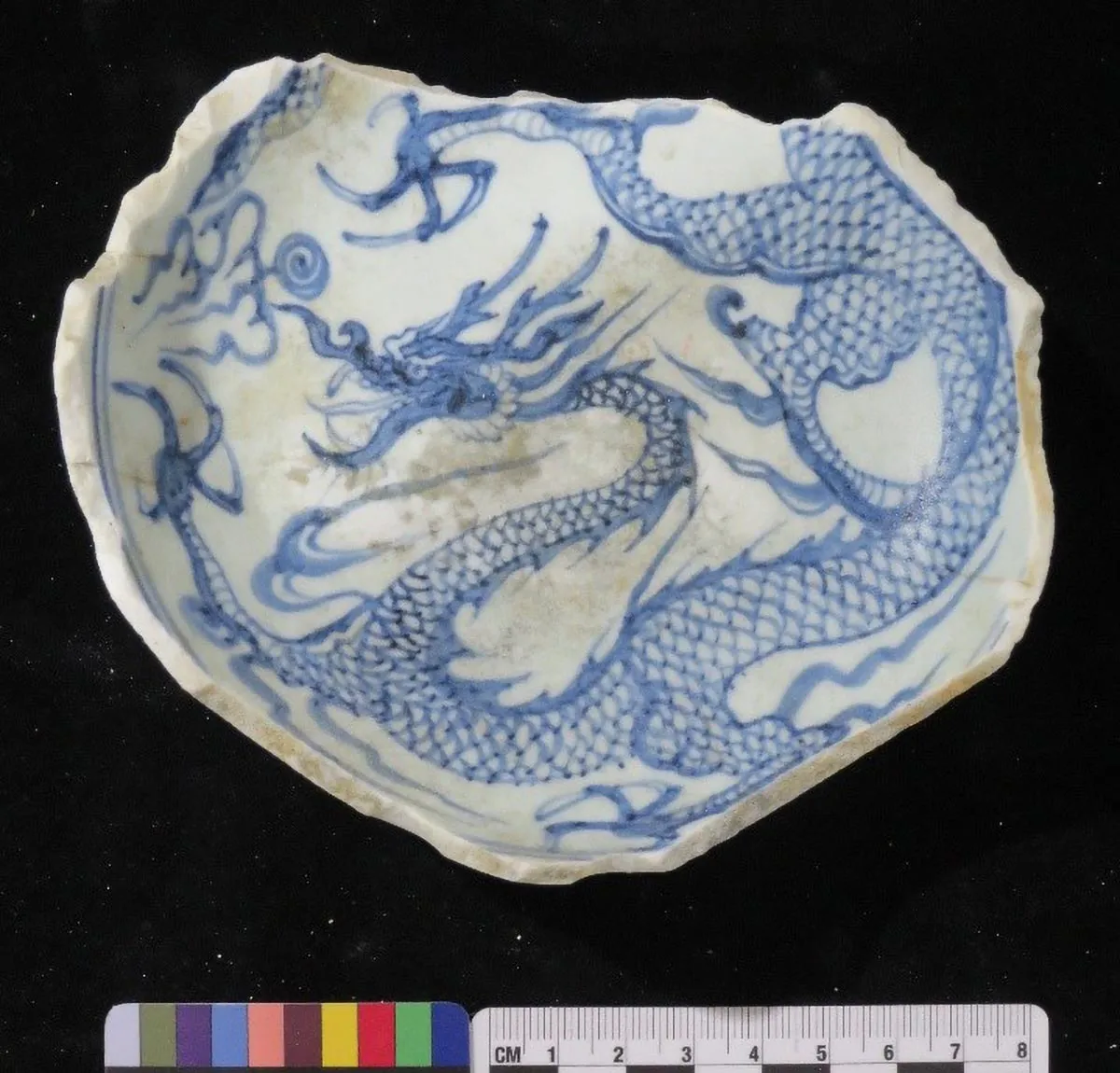
Between 2016 and 2019, divers kept finding more and more. While most were fragments, some pieces were almost perfectly preserved. Imagine pulling a delicate, painted bowl from the seabed after 700 years.
We're a new kind of news feed.
Regular news is designed to drain you. We're a non-profit built to restore you. Every story we publish is scored for impact, progress, and hope.
Start Your News DetoxThat blue-and-white porcelain alone weighs about 136 kilograms. That's over 2,350 pieces, making up almost 4% of the ship's entire ceramic haul. But it wasn't just one kind of dish. The cargo included fancy celadon, qingbai (bluish-white) wares, and even shufu ("Privy Council") pieces – super high-quality stuff often made for the imperial court. Most came from Jingdezhen, a city famous for its pottery.
Even in fragments, Flecker noted the quality was "superlative." This ship was carrying the good stuff, not just everyday plates.
What This Means for Ancient Trade
No part of the actual ship survived, but clues suggest it was a Chinese junk. Researchers think it was loaded up in Quanzhou, China, in the mid-1300s. Its likely destination? Temasek, the bustling trading port that eventually became modern Singapore.
The fact that they can pinpoint the age of this cargo so precisely is huge. It helps historians date other finds from that era that might not have such clear origins. It's like finding a timestamped postcard from the 14th century, showing exactly what people were buying and selling across the seas. This wreck isn't just a cool find; it's a missing piece of the global trade puzzle, showing us how connected the world was, even back then.