The world is warming faster than we can cut emissions. Last year was the first full year more than 1.5°C hotter than pre-industrial times, and fossil fuel use is climbing toward a new peak in 2025. Carbon removal technology, which we're counting on heavily, is pulling just tens of thousands of tonnes from the air annually—a rounding error against the 5–10 billion tonnes we need to remove.
So scientists are asking a harder question: what if we bought ourselves time by reflecting a tiny bit of sunlight back to space?
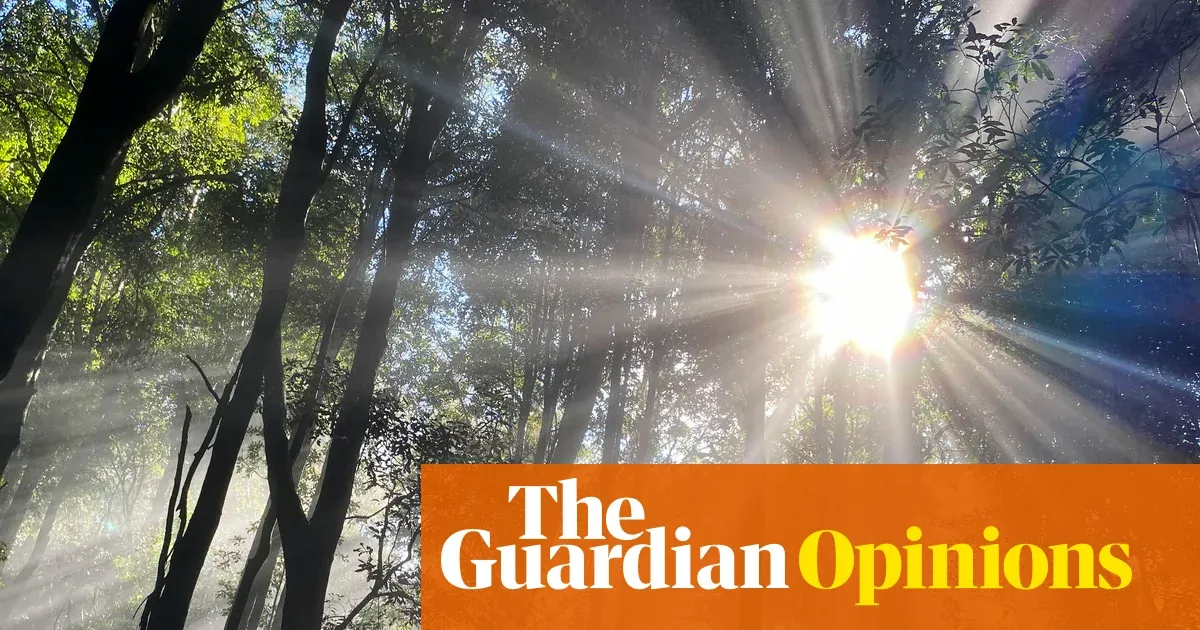
It's not a new idea. In 1965, Lyndon B. Johnson's advisers floated it as a last resort. The concept is simple: Earth already bounces about 30% of incoming sunlight back into space naturally. Raise that to 31%, and you strengthen the planet's heat shield. The question is how to do it without breaking something else.
We're a new kind of news feed.
Regular news is designed to drain you. We're a non-profit built to restore you. Every story we publish is scored for impact, progress, and hope.
Start Your News DetoxThe answer came from an accident. In 1991, Mount Pinatubo erupted and flung 15 million tonnes of sulfur dioxide into the stratosphere. The planet cooled by about 0.5°C. Scientists watched closely. Computer models now suggest that stratospheric aerosol injection (SAI)—deliberately releasing similar particles—could offset 1°C of warming using about 12 million tonnes of SO₂ per year. That's far less than we currently emit unintentionally from industrial processes, but with vastly more cooling effect.
The catch is real. If you deploy SAI and then suddenly stop, the planet experiences rapid rebound warming. Poorly designed interventions could scramble precipitation patterns in ways that harm some regions while helping others. These aren't hypothetical risks—they're the reason careful research matters.
A Staged Approach
Right now, scientists are stuck in what they call "phase zero": lab work and computer models. These tools predicted rising emissions correctly, but they can't verify themselves. We don't yet know exactly how aerosols form, evolve, and disperse in the stratosphere, or how they interact with the environment.
A structured research programme could change that. Phase one would involve releasing roughly 10 tonnes of SO₂—a fraction of what a single coal plant emits in a day—at the right altitude, then carefully measuring what happens. Too small to affect climate. Big enough to answer fundamental questions about aerosol behavior.
Phase two might scale up 10 or 100 times larger, still orders of magnitude smaller than a modest volcanic eruption. This would reveal how aerosols mix and spread globally. The monitoring systems built for these tests would also serve as an early-warning system if anyone ever tried to deploy SAI without permission.
Phase three, only if governments agree to move forward after peer review, could involve small, deliberate cooling of about 0.1°C over five years, under constant observation and strict oversight.
The world may never need to reflect sunlight. But if it does, the only way to make a responsible decision will be to generate real-world evidence now, transparently, before a crisis forces our hand. That means building the tools, rules, and oversight mechanisms today—not scrambling to invent them tomorrow.