Your gut contains more bacterial cells than human cells in your entire body. That's not a problem — it's an opportunity.
Researchers at UC Berkeley have figured out how to edit these bacteria directly, using CRISPR gene editing to disable disease-causing genes and introduce new ones that help your immune system fight infections. It's a shift from treating the microbiome as something to manage toward treating it as something to engineer.
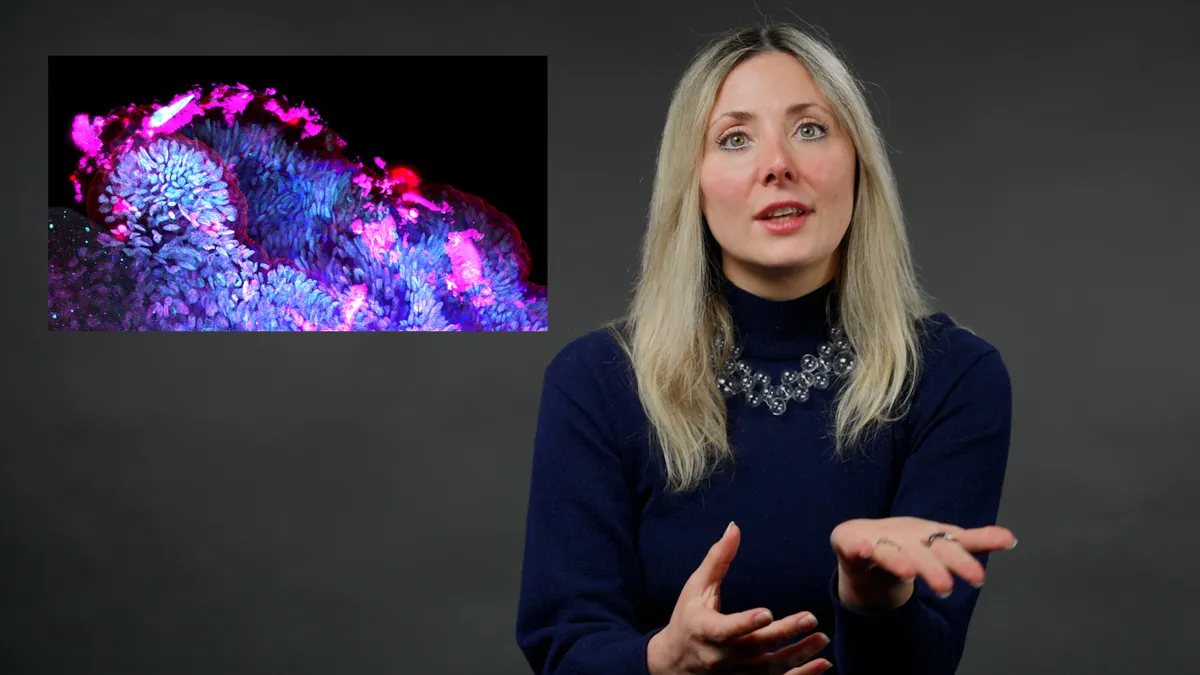
Carlotta Ronda, a principal investigator at UC Berkeley's Innovative Genomics Institute, and her team made a breakthrough: they were the first to completely disable an entire gene in the gut microbiome of mice, then insert a new gene that strengthened the animals' ability to fight infection. In separate experiments, they've also edited microbes to produce GLP-1, a molecule that protects the gut lining and speeds tissue healing.
We're a new kind of news feed.
Regular news is designed to drain you. We're a non-profit built to restore you. Every story we publish is scored for impact, progress, and hope.
Start Your News Detox"If you think about the genetic diversity we have in our gut, they are little factories that are constantly producing a lot of metabolites," Ronda explained. "They affect our immune system, how we age, everything. So we are trying to reprogram them for our health. It's a gene therapy of the microbiome."
From Probiotics to Precision Medicine
This represents a fundamental shift in how we think about the microbiome. For years, the approach was largely passive — take a probiotic, eat fermented foods, hope the right bacteria stick around. The new work treats the microbiome as a programmable system, where you can remove harmful genes and add beneficial ones with surgical precision.
The scale of what's at stake is worth sitting with. Your microbiome isn't a minor system you can ignore. These bacteria influence everything from your immune response to how you age. They produce thousands of different metabolites — chemical compounds that circulate through your body and shape your health. By editing them, researchers aren't just tweaking one thing; they're potentially rebalancing an entire ecosystem.
What makes this different from past microbiome interventions is the specificity. A probiotic is blunt — you're adding bacteria and hoping they colonize and persist. Gene editing lets you modify the bacteria already living in you, ones that are already adapted to your gut environment. That's why Ronda frames this as precision medicine rather than broad supplementation.
The work is still in early stages. So far, these experiments have been conducted in mice. Translating this to humans will require careful safety testing, regulatory approval, and solving practical questions about delivery and durability. But the conceptual breakthrough is already here: we can reprogram our microbial communities, not just manage them.
The next phase will likely focus on specific diseases. Researchers are exploring how microbiome editing might help with metabolic disorders, inflammatory conditions, and infections that resist conventional treatment. Within the next decade, this could become a standard therapeutic tool — as routine as antibiotics, but far more precise.