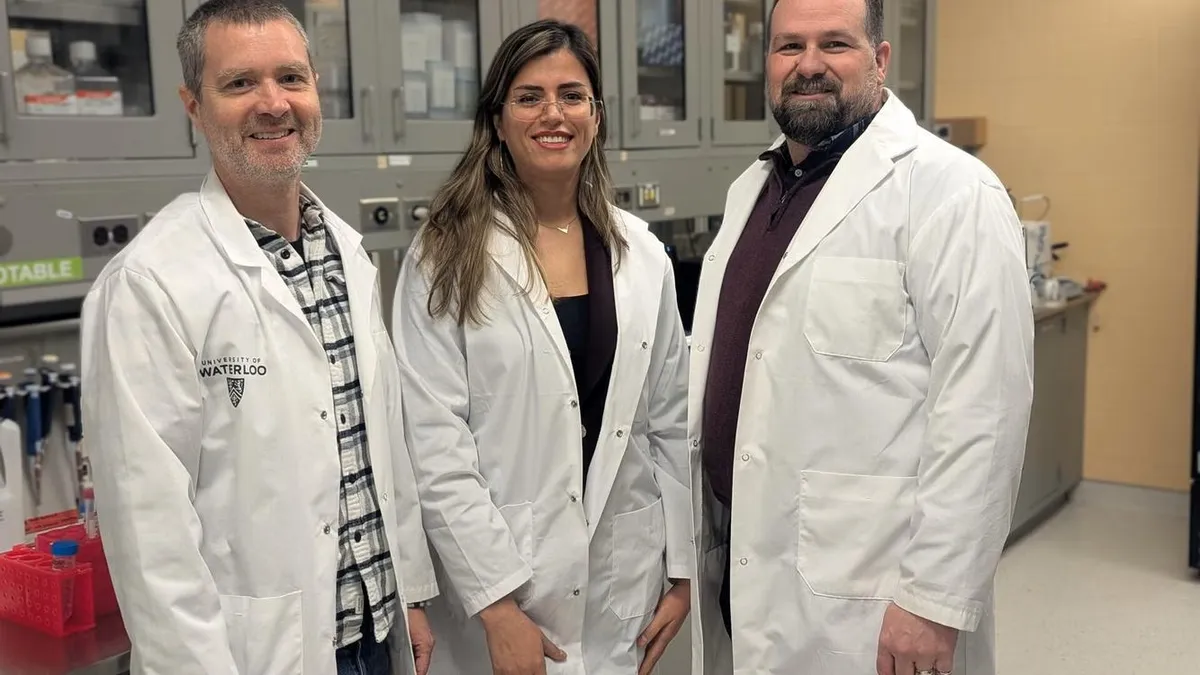
Arkansas researchers have figured out how to turn rice mill waste into high-protein cheese alternatives—and it might reshape how the nation's largest rice-producing state uses its agricultural surplus.
The problem with most plant-based cheeses is straightforward: they're protein-poor. A single serving often delivers less than half the protein of dairy cheese, which makes them less satisfying and nutritionally incomplete for people who rely on them. Food scientists at the University of Arkansas think they've found an elegant fix hiding in plain sight: the rice byproducts that mills discard by the millions of tons each year.
"In a single rice grain, we have three different types of protein," says Mahfuzur Rahman, the food scientist leading the research. "That's brown rice, white rice, and bran—all in one place."
We're a new kind of news feed.
Regular news is designed to drain you. We're a non-profit built to restore you. Every story we publish is scored for impact, progress, and hope.
Start Your News DetoxWhen rice is milled, it generates enormous waste streams. Broken kernels, rice bran, and other fragments are shunted into low-value uses like animal feed or brewing. The USDA estimates the U.S. produces 14.3 million tons of rice bran annually, plus another 24.8 million tons of broken kernels. That's roughly 3.3 million tons of protein annually that currently goes underutilized. For Arkansas, which harvests over 1.4 million acres and supplies nearly half of America's rice, this represents both an environmental opportunity and an economic one.
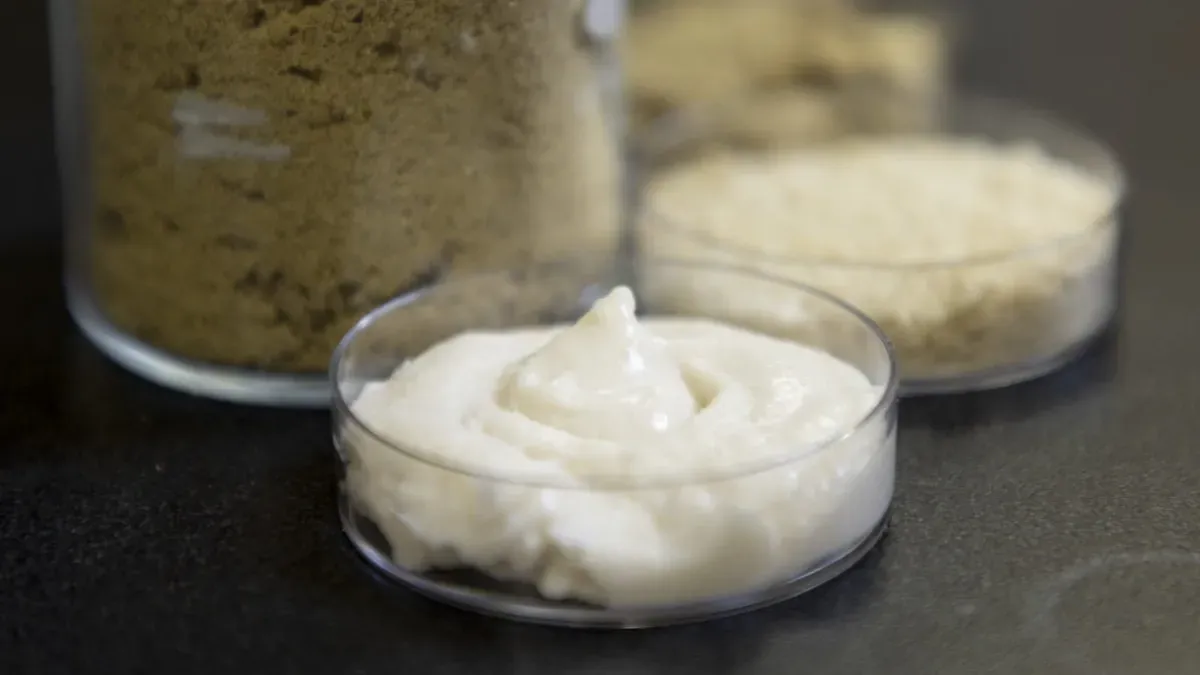
Rahman and his student Ruslan Mehadi Galib spent months isolating and analyzing the four main protein components in rice—albumin, globulin, glutelin, and prolamin. By combining these proteins with coconut oil and corn starch, they created three variations of vegan cheese, each containing around 12 percent protein. That's a meaningful jump from existing nondairy cheeses, which typically hover around 6–8 percent.
What makes this work particularly promising is the extraction method itself. Currently, the team uses hexane, a common industrial solvent, to pull proteins from the rice. But Rahman is already testing whether ultrasound waves could do the same job without chemicals—a shift that would make the entire process cleaner and potentially cheaper to scale.
The applications extend beyond cheese. Rice proteins could replace certain oils and eggs in baked goods, sauces, and other processed foods. For a state built on rice agriculture, this represents a way to capture value from waste streams that have existed since industrial milling began. The research, published in Future Foods, suggests that the next generation of plant-based proteins might come not from trendy crops like peas or soy, but from the agricultural surplus that's been sitting in storage facilities all along.
The team's next phase involves testing how these cheeses perform in real-world conditions—melting, flavor stability, shelf life—before any commercial production begins. But the foundation is there: a protein-rich alternative that uses existing agricultural infrastructure and turns waste into food.