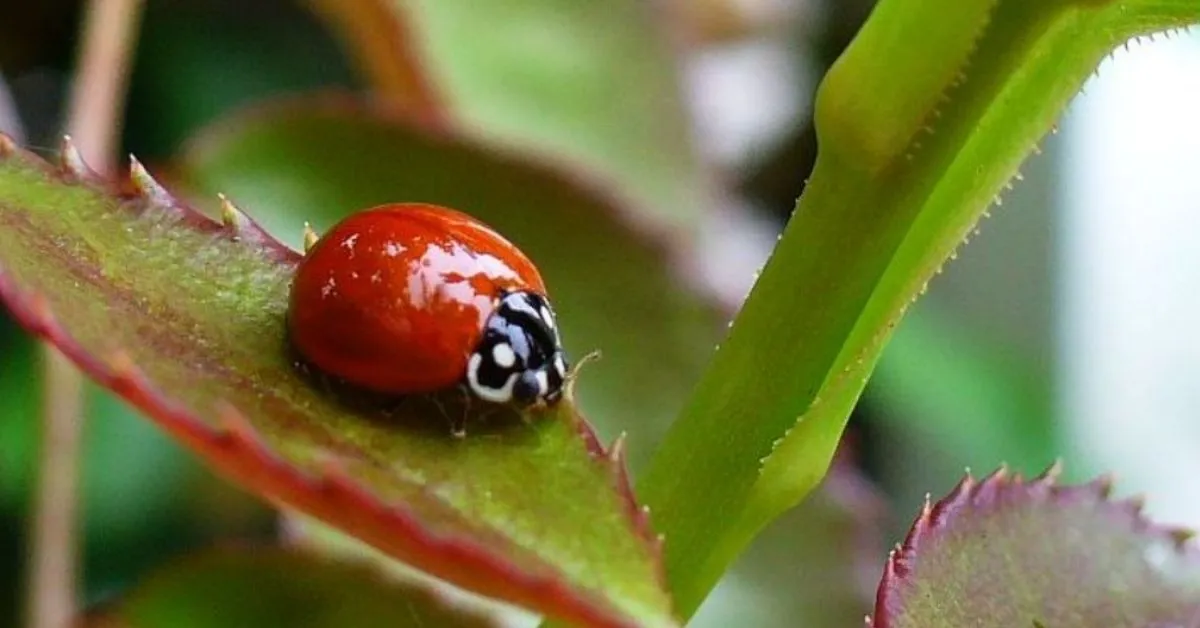
Science students find new species of 'goth ladybug' living on their campus: 'There are unknown species living right beside us'

A Ph.D. student's hunch led to the discovery of a new black ladybug species, the Parastethorus pinicola, or "pine dweller," on a university campus in Japan.

2 min read
Fukuoka, Japan
6 views✓ Verified Source
Share

New Species of 'Goth Ladybug' Discovered on University Campus

Ryōta Seki, a Ph.D. student at Kyushu University, followed his passion for insects and made a remarkable discovery - a new species of ladybug (also known as ladybirds outside the US) living on the pine trees on campus. This species, named the Parastethorus pinicola or "pine dweller," is small, black, and had been previously overlooked.

"Small black ladybirds like these have not been studied much because they are incredibly difficult to identify," said Seki. "They are barely larger than a grain of sand, and they all look identical. You cannot tell the species apart without dissecting them and examining their reproductive organs under a microscope."

To verify the new species, Seki and his peers examined around 1,700 specimens. In the process, they not only confirmed the P. pinicola, but also discovered a second new species from Hokkaido, which Seki named Stethorus takakoae after his grandmother Takako Ōtsuki.

Wait—What is Brightcast?

We're a new kind of news feed.

Regular news is designed to drain you. We're a non-profit built to restore you. Every story we publish is scored for impact, progress, and hope.

Start Your News Detox

Munetoshi Maruyama, an associate professor at the Kyushu University Museum, emphasized the importance of these findings:

"People rarely notice such small insects. But as our study showed, even in a city or on a university campus, there are unknown species living right beside us. These 'minor' insects support our ecosystems. I hope this discovery makes people interested in the diverse and fascinating world that exists unnoticed at our feet."

This is the second time in the past year that university students in Japan have stumbled upon a new species by chance. In October 2022, students from Tohoku University discovered a large Portuguese man o' war with an unusually vivid cobalt-blue hue, which they named Physalia mikazuki or the "crescent helmet man-o-war."

"These jellyfish are dangerous and perhaps a bit scary to some," said student researcher Ayane Totsu, "but [they're] also beautiful creatures that are deserving of continued research and classification efforts."

These discoveries highlight the fact that there are still many unknown species living in close proximity to humans, waiting to be identified and studied. The work of these student researchers is crucial in expanding our understanding of the natural world.


![A small black ladybug on a pine needle](https://images.ctfassets.net/u0haasspfa6q/4Ys7Nt3Nh7sBXWFCkBOQAL/d1c5b5f3d5f7d8d4a4d3d7d8d3d7d8d3d7d8d3d7d8d3d7d8d3d7d8d3d7d8d3d7d8d3d7d8d3d7d8d3d7d8d3d7d8d3d7d8d3d7d8d3d7d8d3d7d8d3d7d8d3d7d8d3d7d8d3d7d8d3d7d8d3d7d8d3d7d8d3d7d8d3d7d8d3d7d8d3d7d8d3d7d8d3d7d8d3d7d8d3d7d8d3d7d8d3d7d8d3d7d8d3d7d8d3d7d8d3d7d8d3d7d8d3d7d8d3d7d8d3d7d8d3d7d8d3d7d8d3d7d8d3d7d8d3d7d8d3d7d8d3d7d8d3d7d8d3d7d8d3d7d8d3d7d8d3d7d8d3d7d8d3d7d8d3d7d8d3d7d8d3d7d8d3d7d8d3d7d8d3d7d8d3d7d8d3d7d8d3d7d8d3d7d8d3d7d8d3d7d8d3d7d8d3d7d8d3d7d8d3d7d8d3d7d8d3d7d8d3d7d8d3d7d8d3d7d8d3d7d8d3d7d8d3d7d8d3d7d8d3d7d8d3d7d8d3d7d8d3d7d8d3d7d8d3d7d8d3d7d8d3d7d8d3d7d8d3d7d8d3d7d8d3d7d8d3d7d8d3d7d8d3d7d8d3d7d8d3d7d8d3d7d8d3d7d8d3d7d8d3d7d8d3d7d8d3d7d8d3d7d8d3d7d8d3d7d8d3d7d8d3d7d8d3d7d8d3d7d8d3d7d8d3d7d8d3d7d8d3d7d8d3d7d8d3d7d8d3d7d8d3d7d8d3d7d8d3d7d8d3d7d8d3d7d8d3d7d8d3d7d8d3d7d8d3d7d8d3d7d8d3d7d8d3d7d8d3d7d8d3d7d8d3d7d8d3d7d8d3d7d8d3d7d8d3d7d8d3d7d8d3d7d8d3d7d8d3d7d8d3d7d8d3d7d8d3d7d8d3d7d8d3d7d8d3d7d8d3d7d8d3d7d8d3d7d8d3d7d8d3d7d8d3d7d8d3d7d8d3d7d8d3d7d8d3d7d8d3d7d8d3d7d8d3d7d8d3d7d8d3d7d8d3d7d8d3d7d8d3d7d8d3d7d8d3d7d8d3d7d8d3d7d8d3d7d8d3d7d8d3d7d8d3d7d8d3d7d8d3d7d8d3d7d8d3d7d8d3d7d8d3d7d8d3d7d8d3d7d8d3d7d8d3d7d8d3d7d8d3d7d8d3d7d8d3d7d8d3d7d8d3d7d8d3d7d8d3d7d8d3d7d8d3d7d8d3d7d8d3d7d8d3d7d8d3d7d8d3d7d8d3d7d8d3d7d8d3d7d8d3d7d8d3d7d8d3d7d8d3d7d8d3d7d8d3d7d8d3d7d8d3d7d8d3d7d8d3d7d8d3d7d8d3d7d8d3d7d8d3d7d8d3d7d8d3d7d8d3d7d8d3d7d8d3d7d8d3d7d8d3d7d8d3d7d8d3d7d8d3d7d8d3d7d8d3d7d8d3d7d8d3d7d8d3d7d8d3d7d8d3d7d8d3d7d8d3d7d8d3d7d8d3d7d8d3d7d8d3d7d8d3d7d8d3d7d8d3d7d8d3d7d8d3d7d8d3d7d8d3d7d8d3d7d8d3d7d8d3d7d8d3d7d8d3d7d8d3d7d8d3d7d8d3d7d8d3d7d8d3d7d8d3d7d8d3d7d8d3d7d8d3d7d8d3d7d8d3d7d8d3d7d8d3d7d8d3d7d8d3d7d8d3d7d8d3d7d8d3d7d8d3d7d8d3d7d8d3d7d8d3d7d8d3d7d8d3d7d8d3d7d8d3d7d8d3d7d8d3d7d8d3d7d8d3d7d8d3d7d8d3d7d8d3d7d8d3d7d8d3d7d8d3d7d8d3d7d8d3d7d8d3d7d8d3d7d8d3d7d8d3d7d8d3d7d8d3d7d8d3d7d8d3d7d8d3d7d8d3d7d8d3d7d8d3d7d8d3d7d8d3d7d8d3d7d8d3d7d8d3d7d8d3d7d8d3d7d8d3d7d8d3d7d8d3d7d8d3d7d8d3d7d8d3d7d8d3d7d8d3d7d8d3d7d8d3d7d8d3d7d8d3d7d8d3d7d8d3d7d8d3d7d8d3d7d8d3d7d8d3d7d8d3d7d8d3d7d8d3d7d8d3d7d8d3d7d8d3d7d8d3d7d8d3d7d8d3d7d8d3d7d8d3d7d8d3d7d8d3d7d8d3d7d8d3d7d8d3d7d8d3d7d8d3d7d8d3d7d8d3d7d8d3d7d8d3d7d8d3d7d8d3d7d8d3d7d8d3d7d8d3d7d8d3d7d8d3d7d8d3d7d8d3d7d8d3d7d8d3d7d8d3d7d8d3d7d8d3d7d8d3d7d8d3d7d8d3d7d8d3d7d8d3d7d8d3d7d8d3d7d8d3d7d8d3d7d8d3d7d8d3d7d8d3d7d8d3d7d8d3d7d8d3d7d8d3d7d8d3d7d8d3d7d8d3d7d8d3d7d8d3d7d8d3d7d8d3d7d8d3d7d8d3d7d8d3d7d8d3d7d8d3d7d8d3d7d8d3d7d8d3d7d8d3d7d8d3d7d8d3d7d8d3d7d8d3d7d8d3d7d8d3d7d8d3d7d8d3d7d8d3d7d8d3d7d8d3d7d8d3d7d8d3d7d8d3d7d8d3d7d8d3d7d8d3d7d8d3d7d8d3d7d8d3d7d8d3d7d8d3d7d8d3d7d8d3d7d8d3d7d8d3d7d8d3d7d8d3d7d8d3d7d8d3d7d8d3d7d8d3d7d8d3d7d8d3d7d8d3d7d8d3d7d8d3d7d8d3d7d8d3d7d8d3d7d8d3d7d8d3d7d8d3d7d8d3d7d8d3d7d8d3d7d8d3d7d8d3d7d8d3d7d8d3d7d8d3d7d8d3d7d8d3d7d8d3d7d8d3d7d8d3d7d8d3d7d8d3d7d8d3d7d8d3d7d8d3d7d8d3d7d8d3d7d8d3d7d8d3d7d8d3d7d8d3d7d8d3d7d8d3d7d8d3d7d8d3d7d8d3d7d8d3d7d8d3d7d8d3d7d8d3d7d8d3d7d8d3d7d8d3d7d8d3d7d8d3d7d8d3d7d8d3d7d8d3d7d8d3d7d8d3d7d8d3d7d8d3d7d8d3d7d8d3d7d8d3d7d8d3d7d8d3d7d8d3d7d8d3d7d8d3d7d8d3d7d8d3d7d8d3d7d8d3d7d8d3d7d8d3d7d8d3d7d8d3d7d8d3d7d8d3d7d8d3d7d8d3d7d8d3d7d8d3d7d8d3d7d8d3d7d8d3d7d8d3d7d8d3d7d8d3d7d8d3d7d8d3d7d8d3d7d8d3d7d8d3d7d8d3d7d8d3d7d8d3d7d8d3d7d8d3d7d8d3d7d8d3d7d8d3d7d8d3d7d8d3d7d8d3d7d8d3d7d8d3d7d8d3d7d8d3d7d8d3d7d8d3d7d8d3d7d8d3d7d8d3d7d8d3d7d8d3d7d8d3d7d8d3d7d8d3d7d8d3d7d8d3d7d8d3d7d8d3d7d8d3d7d8d3d7d8d3d7d8d3d7d8d3d7d8d3d7d8d3d7d8d3d7d8d3d7d8d3d7d8d3d7d8d3d7d8d3d7d8d3d7d8d3d7d8d3d7d8d3d7d8d3d7d8d3d7d8d3d7d8d3d7d8d3d7d8d3d7d8d3d7d8d3d7d8d3d7d8d3d7d8d3d7d8d3d7d8d3d7d8d3d7d8d3d7d8d3d7d8d3d7d8d3d7d8d3d7d8d3d7d8d3d7d8d3d7d8d3d7d8d3d7d8d3

70
SignificantMajor proven impact

Brightcast Impact Score

This article showcases the discovery of two new species of ladybugs by science students on their university campus, which is a notable new approach with potential for broader impact. The discovery is inspiring, with measurable evidence of the new species, and it highlights the importance of recognizing the diversity of species around us. The article has good sourcing and specificity, though it lacks some details on the full scale of the discovery and its long-term implications.

27

Hope

Solid

19

Reach

Solid

24

Verified

Strong

Wall of Hope

0/50

Be the first to share how this story made you feel

How does this make you feel?

1
2
3
4
5
6
7
8
9
10
11
12
13
14
15
16
17
18
19
20
21
22
23
24
25
26
27
28
29
30
31
32
33
34
35
36
37
38
39
40
41
42
43
44
45
46
47
48
49
50

Connected Progress

Drop in your group chat

Apparently, science students discovered a new 'goth ladybug' species living right on their campus. www.brightcast.news

Share

Originally reported by Good Good Good · Verified by Brightcast

Get weekly positive news in your inbox

No spam. Unsubscribe anytime. Join thousands who start their week with hope.

More stories that restore faith in humanity