Imagine light bouncing inside a microscopic loop, circulating hundreds of times without escaping. That's what researchers at CU Boulder have just achieved—and it's the kind of engineering breakthrough that tends to quietly unlock entire categories of technology.
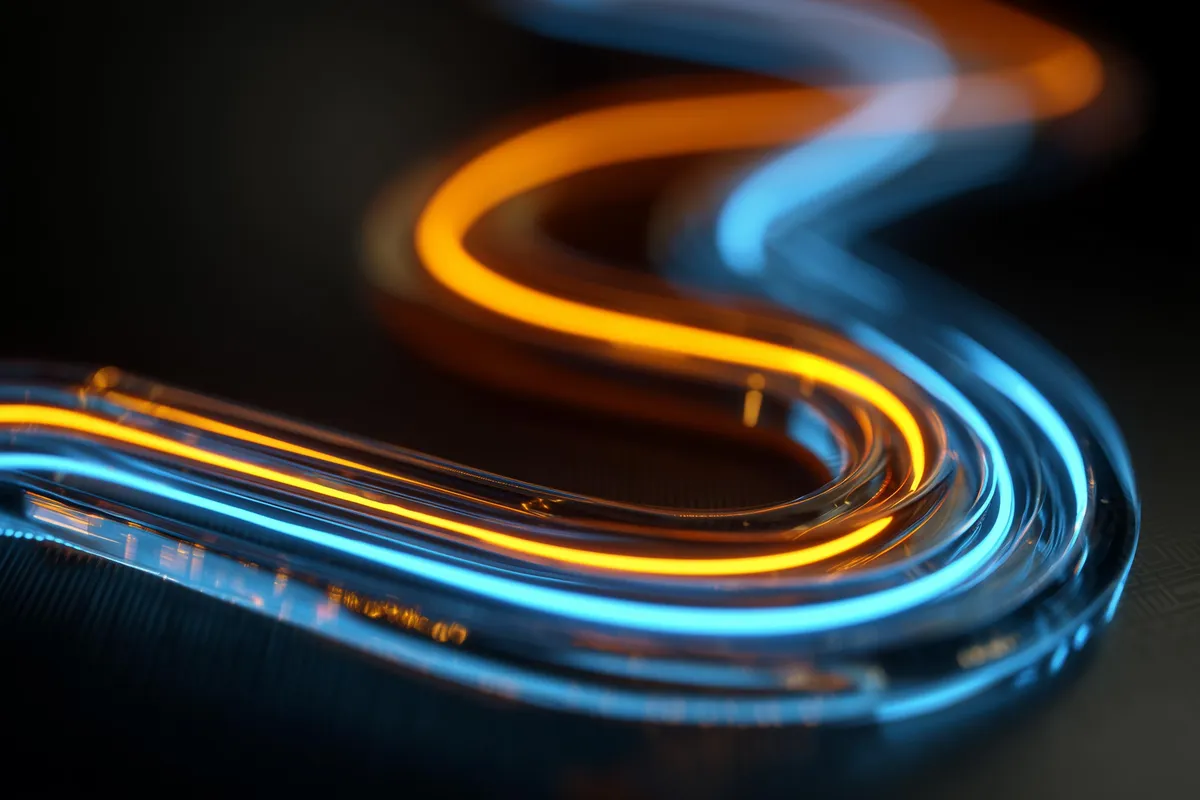
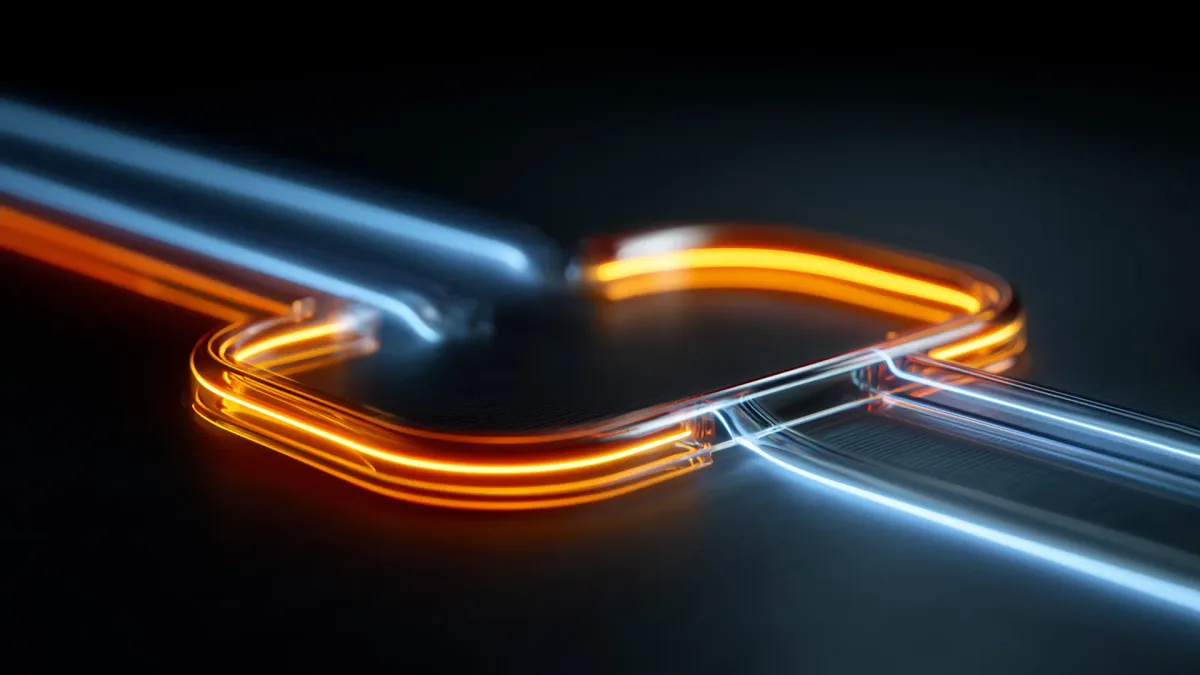
The problem they solved is deceptively simple: light hates sharp corners. When photons hit a bend in a waveguide, they scatter and leak away. The team borrowed an idea from road design. Just as highways use gradual curves so vehicles don't skid off at speed, they shaped their optical resonators using Euler curves—smooth, mathematically optimized bends that guide light gently through tight loops. The result is what they call a "racetrack" resonator, and it keeps photons circulating far longer than previous designs.
"Our work is about using less optical power with these resonators for future uses," says Bright Lu, a doctoral student who led the work. "One day these microresonators can be adapted for a wide range of sensors from navigation to identifying chemicals."
We're a new kind of news feed.
Regular news is designed to drain you. We're a non-profit built to restore you. Every story we publish is scored for impact, progress, and hope.
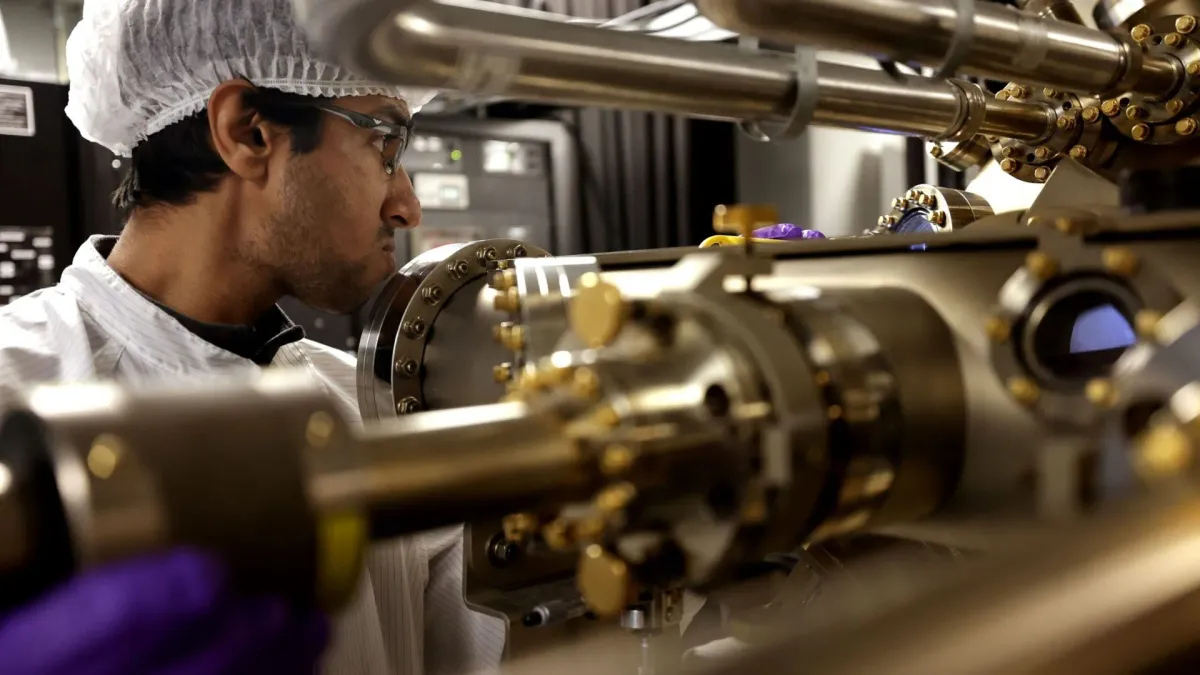
Start Your News DetoxThe team built these devices using chalcogenides—a family of specialized semiconductor glasses that are excellent for photonics but notoriously difficult to work with. They used electron beam lithography, a precision tool that can carve structures smaller than the width of a hair, with accuracy measured in fractions of a nanometer. Traditional methods hit their limits at the wavelength of light itself; electrons have no such constraint.
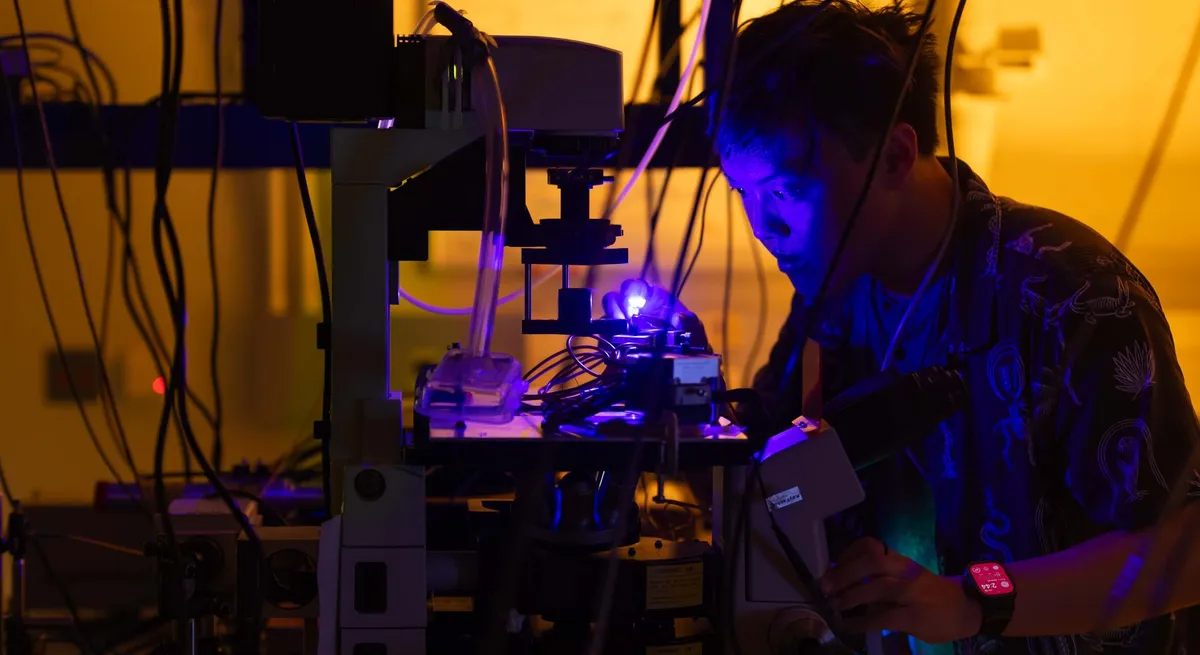
When physicist James Erikson tested the finished devices, he was looking for a specific signal: a sharp dip in transmitted light that indicates photons are trapped and resonating inside. "We've been chasing this kind of resonator for a long time," he says, "and when we saw the sharp resonances on this new device we knew right away that we'd finally cracked the code."
Why does this matter? Optical microresonators are the missing piece in photonic systems. They concentrate light to intensities that enable new physics—nonlinear effects that don't happen at lower powers. Compact microlasers, chemical sensors sensitive enough to detect individual molecules, quantum networks that use photons instead of electrons—these all depend on being able to trap and concentrate light efficiently. Right now, energy loss is the bottleneck. These new devices could remove it.
The research was published in Applied Physics Letters. The next step is scaling up: moving from lab prototypes to something a manufacturer could mass-produce.