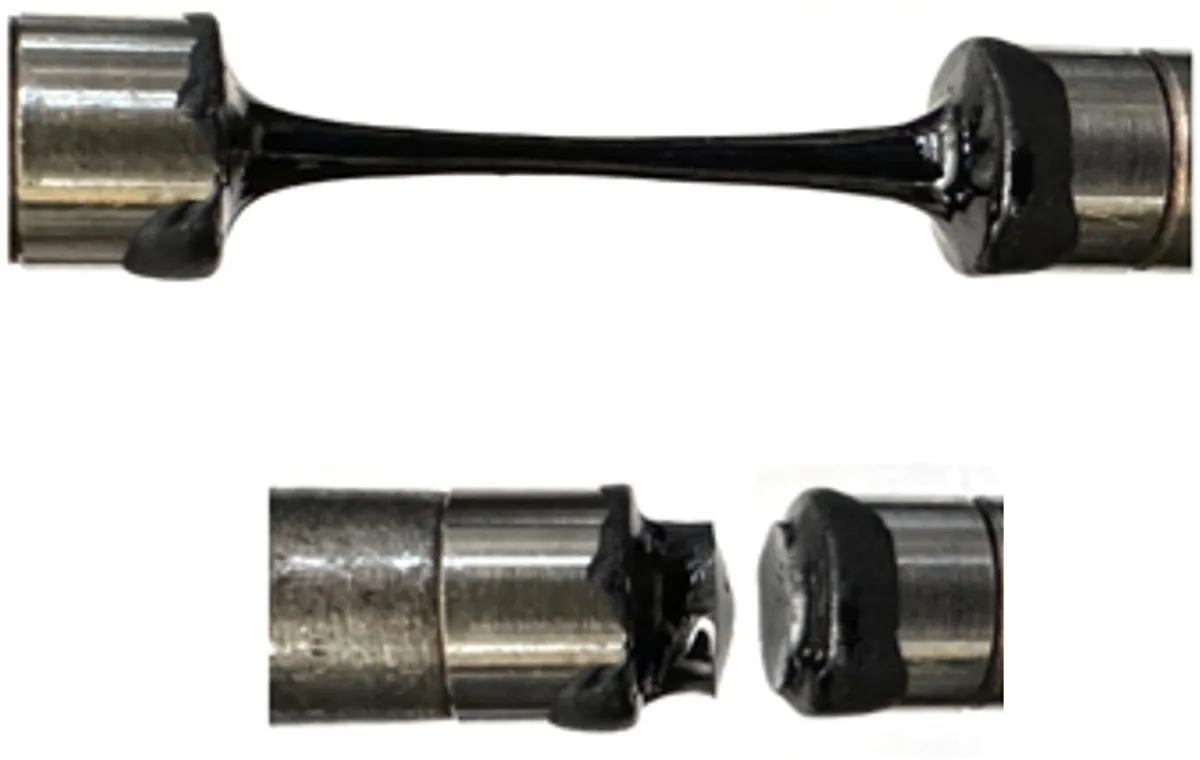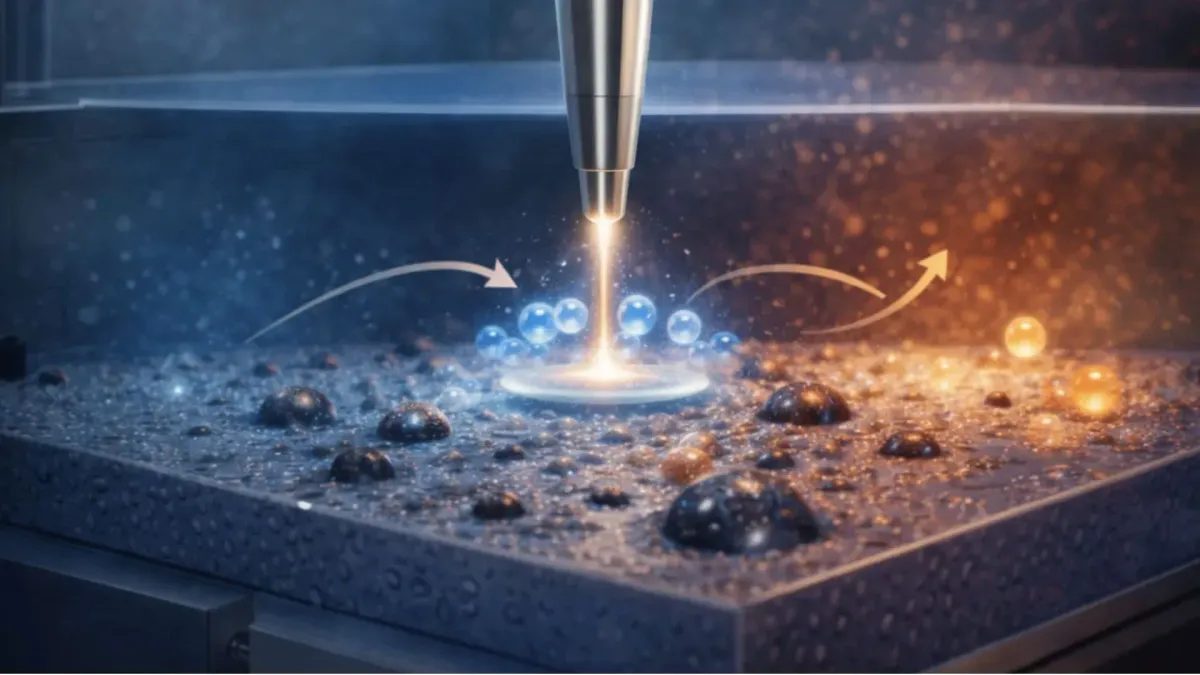
Researchers have found that perovskite crystals can quickly and repeatedly change their shape when light hits them. This is a new behavior not seen in common semiconductors.
A study from the University of California, Davis, suggests that perovskites could lead to new types of semiconductor devices that react to light. The research, published in Advanced Materials, shows that halide perovskite crystals can change shape and then return to their original form when exposed to light.
How Perovskites Are Different
Perovskites are semiconductors, but they act differently from materials like silicon. They can mix organic and inorganic parts and are often cheaper to make.
We're a new kind of news feed.
Regular news is designed to drain you. We're a non-profit built to restore you. Every story we publish is scored for impact, progress, and hope.
Start Your News DetoxMarina Leite, a professor at UC Davis and a lead author on the paper, called them "smart materials." She explained that their response to light can be controlled. Their unique chemistry could help create devices that were not possible before.
All perovskites have a basic ABX3 crystal structure. Imagine a central atom surrounded by six others, forming a shape like two pyramids joined at their bases. This structure is inside a cube with atoms at each corner. These materials are already being looked at for use in electronics and advanced solar cells.
Light Causes Rapid Changes
In the study, graduate student Mansha Dubey used a laser to shine light on perovskite crystals. Then, an X-ray probe tracked how their atomic structure changed. Collaborators Bekir Turedi, Andrii Kanak, and Professor Maksym Kovalenko at ETH Zürich, Switzerland, made the crystals.
The experiments showed that light makes the crystal lattice shift quickly and completely reversibly.
Leite noted that this "photostriction" effect is a dramatic change in the lattice when light is applied. This is unique compared to silicon. The material can go through this change many times without breaking down.
Researchers can also change how perovskites react to light by changing what they are made of. This alters the bandgap, which is the range of light wavelengths the material absorbs and emits. Different perovskite mixes show different levels of structural change when exposed to light above their bandgap. Leite said the effect can be precisely controlled by changing both the light's color and its brightness.
She explained that the response is not just on or off. It can be a gradual change, like a dimmer switch, depending on the light used.
Leite believes this light-driven structural response could lead to new devices, such as sensors and actuators, that can be switched or adjusted using light.
Deep Dive & References
Reversible, Photo-Induced Lattice Distortions in Halide Perovskites - Advanced Materials, 2026