For years, the dream of turning plain old water into clean fuel using just sunlight has been tantalizingly close, yet frustratingly out of reach. The science was there, but the nitty-gritty details of how it all worked at the molecular level were a bit like trying to read a textbook through a kaleidoscope. Until now.
US scientists have finally cracked the code, developing a method to watch sunlight split water into hydrogen and oxygen — in real time, at a nanoscale so tiny it makes your phone's camera look like a telescope. We're talking 10 nanometers, which is roughly the size of a very small virus, or the amount of patience you have when your Wi-Fi cuts out.
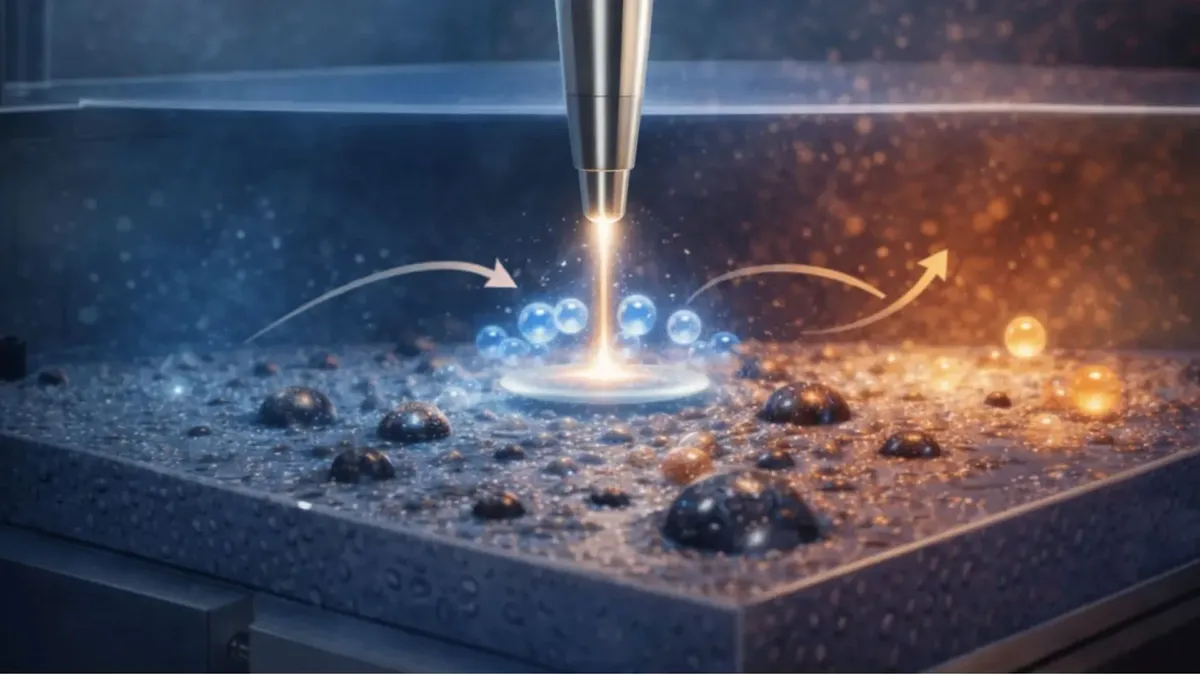
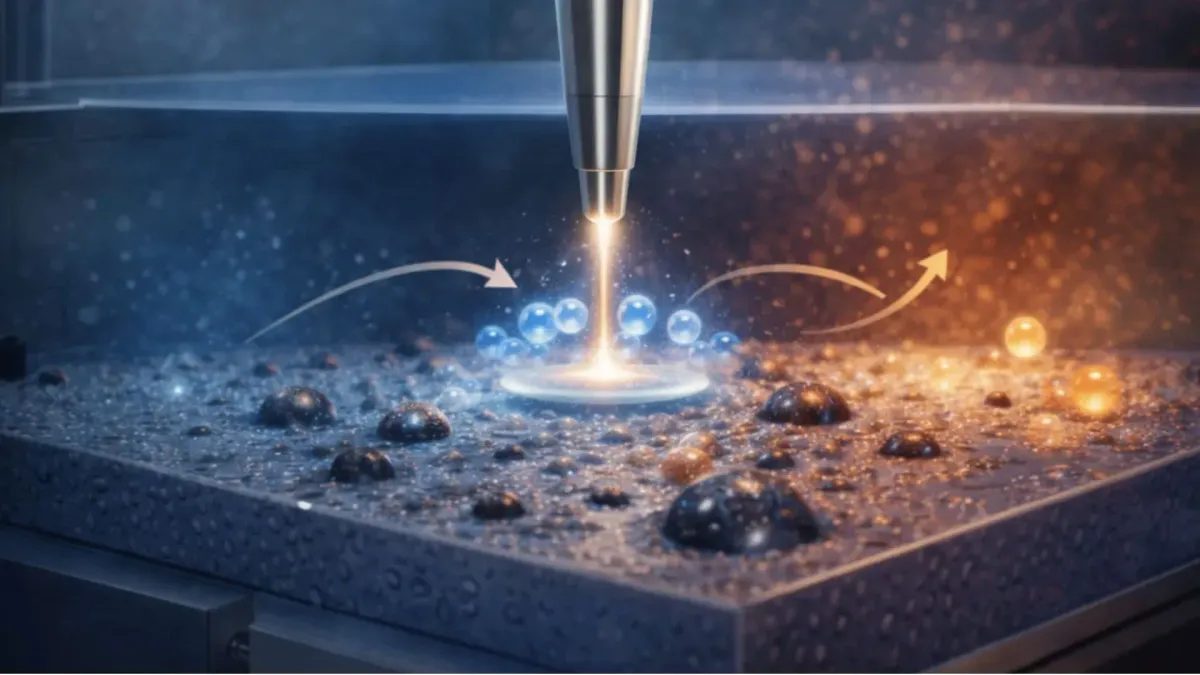
Led by Professor Shu Hu at Yale, the team can now observe special materials called photocatalysts in action. These are the unsung heroes that use light to kickstart the whole process, pushing electrons and 'holes' (which are essentially missing electrons, because physics is fun) through their structure.
We're a new kind of news feed.
Regular news is designed to drain you. We're a non-profit built to restore you. Every story we publish is scored for impact, progress, and hope.
Start Your News DetoxPeeking Under the Hood of Solar Fuel
The new study isn't just a cool party trick; it's a massive leap in understanding how to make clean fuels and chemicals more efficiently. For the first time, researchers can see the exact separation between the two critical chemical reactions involved: reduction and oxidation. Think of it as finally getting to watch both sides of a tennis match simultaneously, instead of just guessing where the ball went.
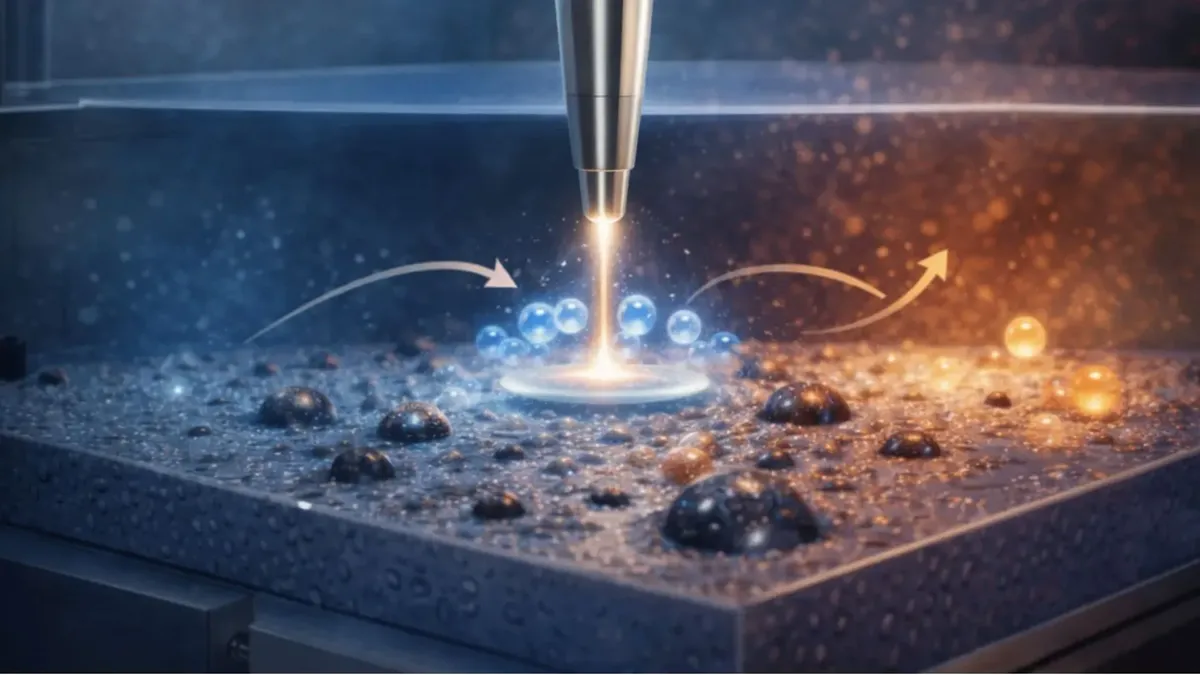
To achieve this, the team built a system that takes two types of measurements at once: amperometric (counting electrons) and potentiometric (measuring the voltage pushing them). Their secret weapon? A 'nanotip' – a delicate quartz point with a platinum wire inside, gently touching the material's surface without, you know, destroying it. This, apparently, was a significant challenge, because controlling things at that scale is harder than herding cats in zero gravity.
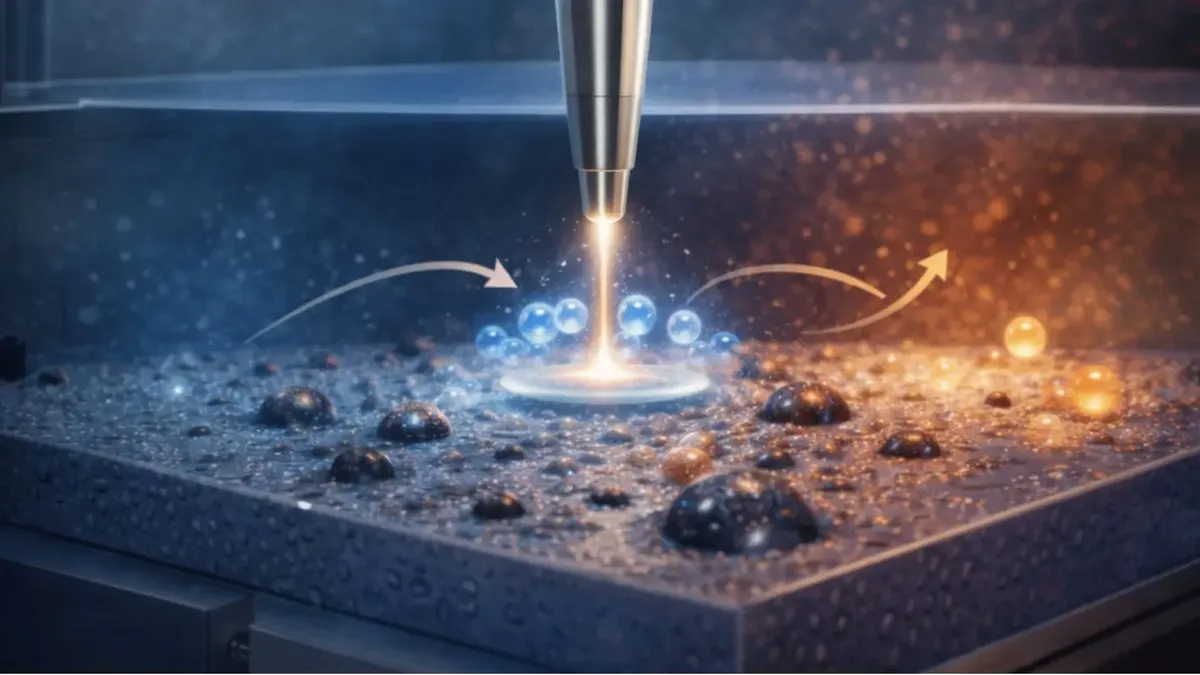
One delightful surprise was the ability to measure electrical current on metal surfaces and voltage on semiconductors when light hit them. Because apparently, even tiny materials have their secrets, and sometimes they're willing to share them if you ask nicely with a nanotip.
This single setup, grandly named contact amperometric/potentiometric photo-scanning electrochemical microscopy, delivers high-resolution insights into how light affects chemical processes in these minuscule photocatalysts. Which, if you think about it, is both impressive and slightly terrifying. Imagine the precision.
This newfound clarity could finally accelerate progress in sustainable energy. We're talking about making energy and chemicals affordably, sustainably, and with a precision that lets us see exactly why some parts of a material are doing all the hard work, while others are just… there. For example, in one system, they found distinct reaction zones with specific electrical potentials, just 150 nanometers apart. It's like finding tiny, energetic hotspots on a microscopic dance floor.
Published in Proceedings of the National Academy of Sciences, this research isn't just about watching; it's about optimizing. Because if you can see it, you can make it better. And a world where sunlight turns water into fuel? That's a future worth squinting at.