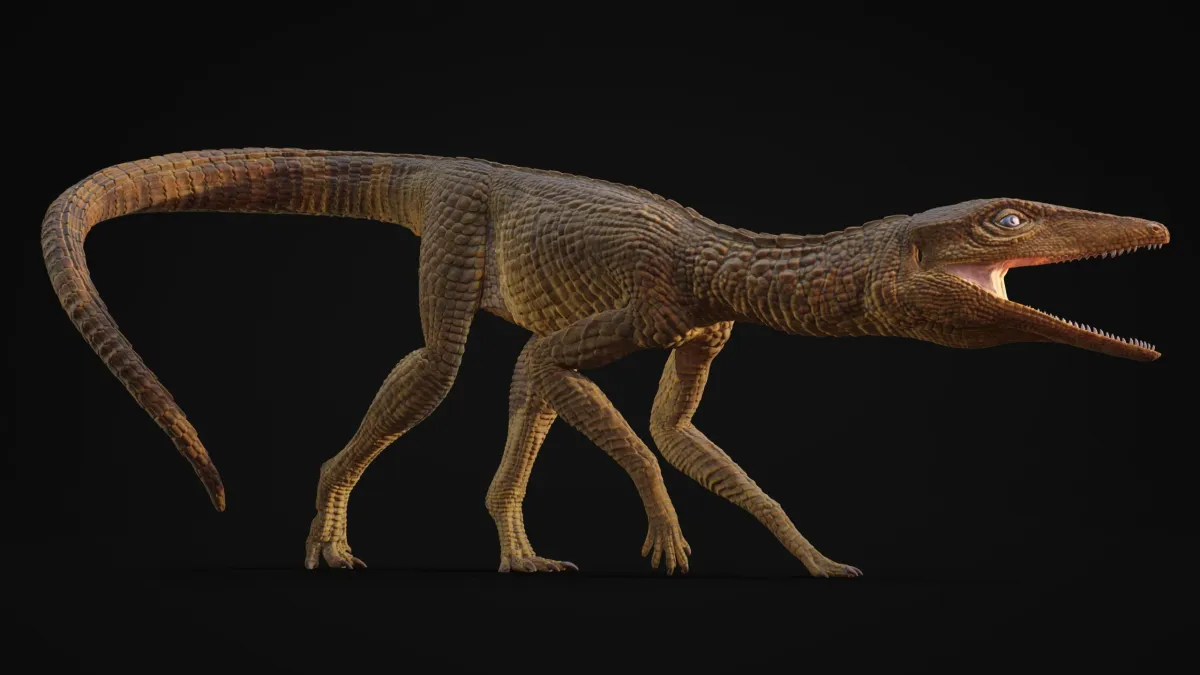
Two hundred million years ago, a creature that looked nothing like today's crocodiles prowled the hot, dry plains around what's now Wales and southwest England. Long-legged and lean, built more like a reptilian greyhound than the semi-aquatic hunters we know, this newly identified species hunted small prey across dense vegetation—a completely different lifestyle from its modern descendants.
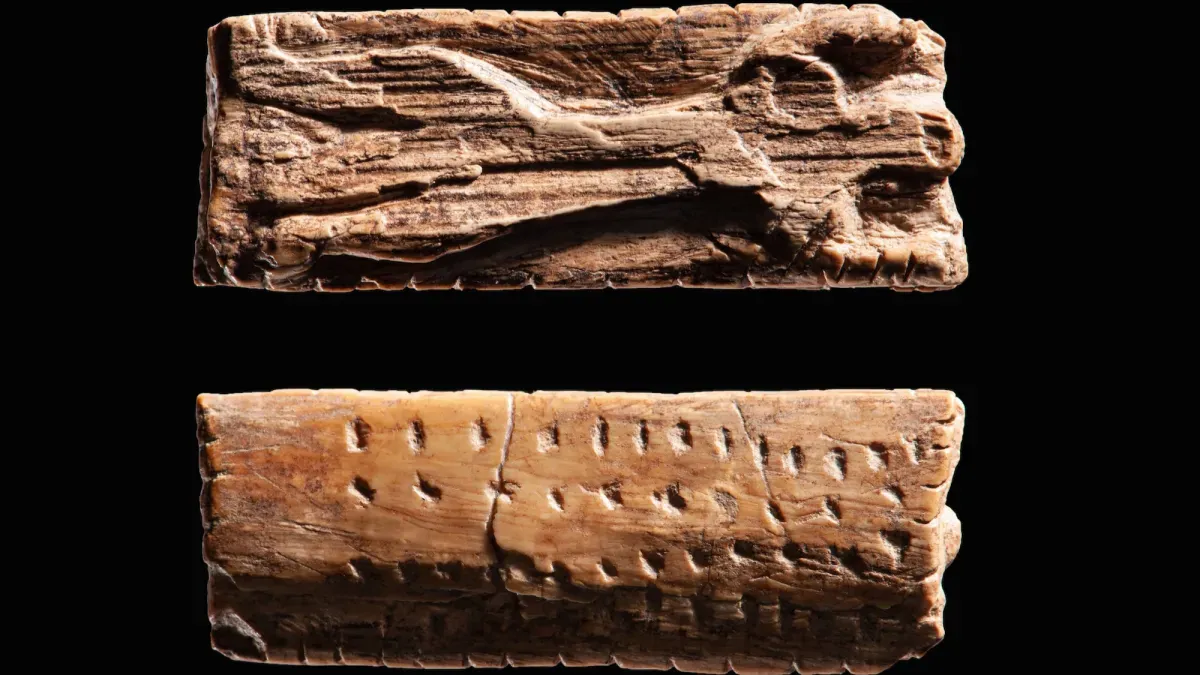
The fossil, named Galahadosuchus jonesi, was discovered in fissure deposits on both sides of the Bristol Channel. These natural cracks in the rock acted as ancient traps: animals that died on the surface got washed into the crevices, buried under sediment, and preserved for millions of years. Ewan Bodenham, a PhD student at the Natural History Museum London, led the detailed analysis that identified it as a distinct species, separate from a similar animal called Terrestrisuchus that had been found in the same deposits.
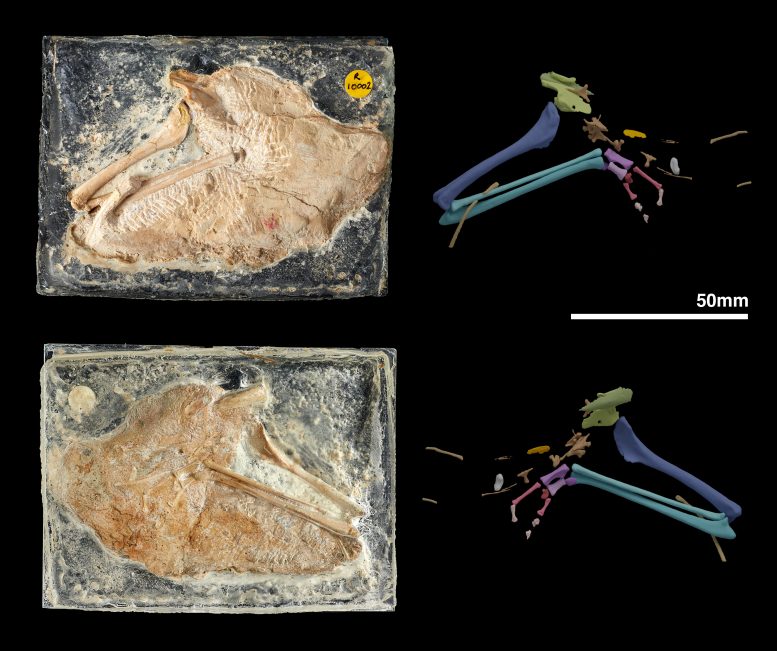
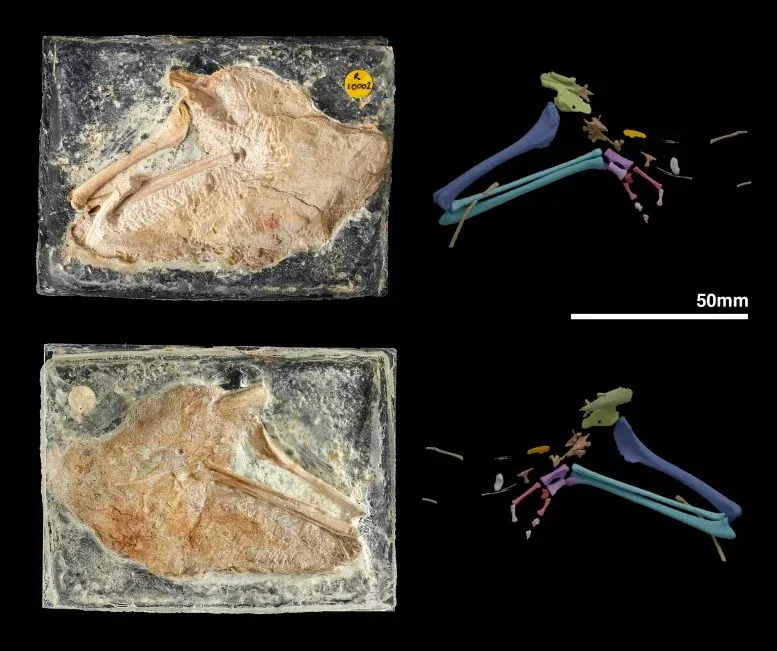
The researchers found 13 key anatomical differences between the specimens—enough to classify Galahadosuchus as something new. But what makes the discovery personal is its name. Bodenham chose "Galahad" to reference the animal's upright posture (the Arthurian knight celebrated for moral uprightness), and "jonesi" to honor David Rhys Jones, his secondary school physics teacher in Wales. "Mr Jones was just such a good teacher," Bodenham explained. "You could tell he was genuinely interested in the sciences. I think that really inspired me."
We're a new kind of news feed.
Regular news is designed to drain you. We're a non-profit built to restore you. Every story we publish is scored for impact, progress, and hope.
Start Your News Detox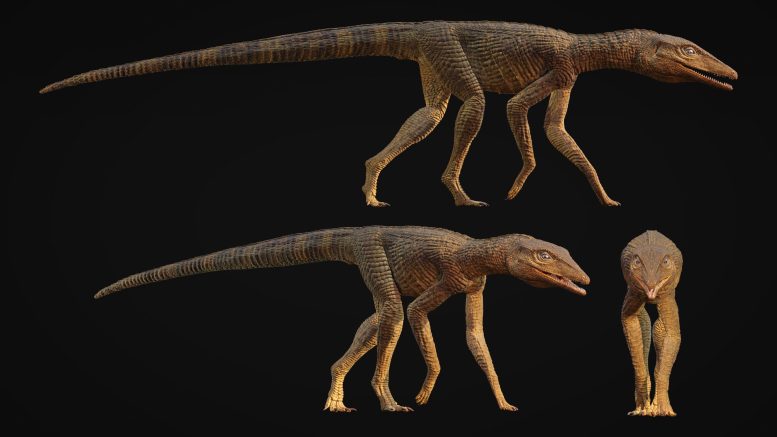
What This Changes About Early Crocodiles
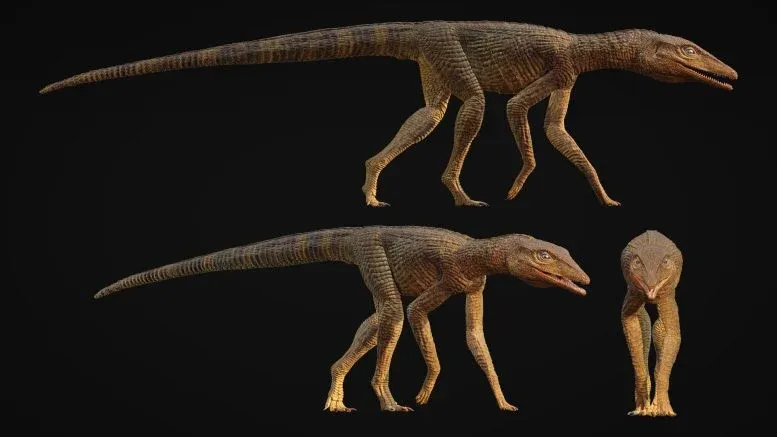
Both Galahadosuchus and Terrestrisuchus belonged to Crocodylomorpha, the broader group that eventually led to modern crocodiles and alligators. But these early relatives looked radically different from their descendants. They had long, slender limbs and were fully adapted to land—not the water. This discovery adds to a growing picture of diversity among early crocodilomorphs, showing that the group experimented with very different body plans and hunting strategies before settling into the semi-aquatic lifestyle we see today.
The Late Triassic, when these animals lived, was a period of experimentation in reptile evolution. But it ended abruptly. Massive volcanic activity altered the climate and triggered the Triassic-Jurassic mass extinction event, wiping out most of these early crocodilomorphs and reshaping which lineages survived.
That's where this discovery gains unexpected relevance. By documenting which animals lived in this region before the extinction and how they responded to sudden environmental upheaval, scientists get a natural experiment in how species adapt—or fail to adapt—when everything changes. As modern ecosystems face rapid biodiversity loss, understanding how ancient species coped with similar stress offers a kind of roadmap for thinking about resilience.