A ground squirrel died near Tanzania's Olduvai Gorge 1.8 million years ago. Inside its fossilized bone, researchers just found evidence it had sleeping sickness—and that it nibbled on aloe. That level of detail shouldn't be possible from a fossil. But it is now.
For the first time, scientists have extracted metabolism-related molecules from animal bones dating back 1.3 to 3 million years, revealing not just what these creatures ate and whether they were sick, but what their entire world looked like. The breakthrough comes from a simple insight: if protein can survive fossilization, why not other biological molecules?
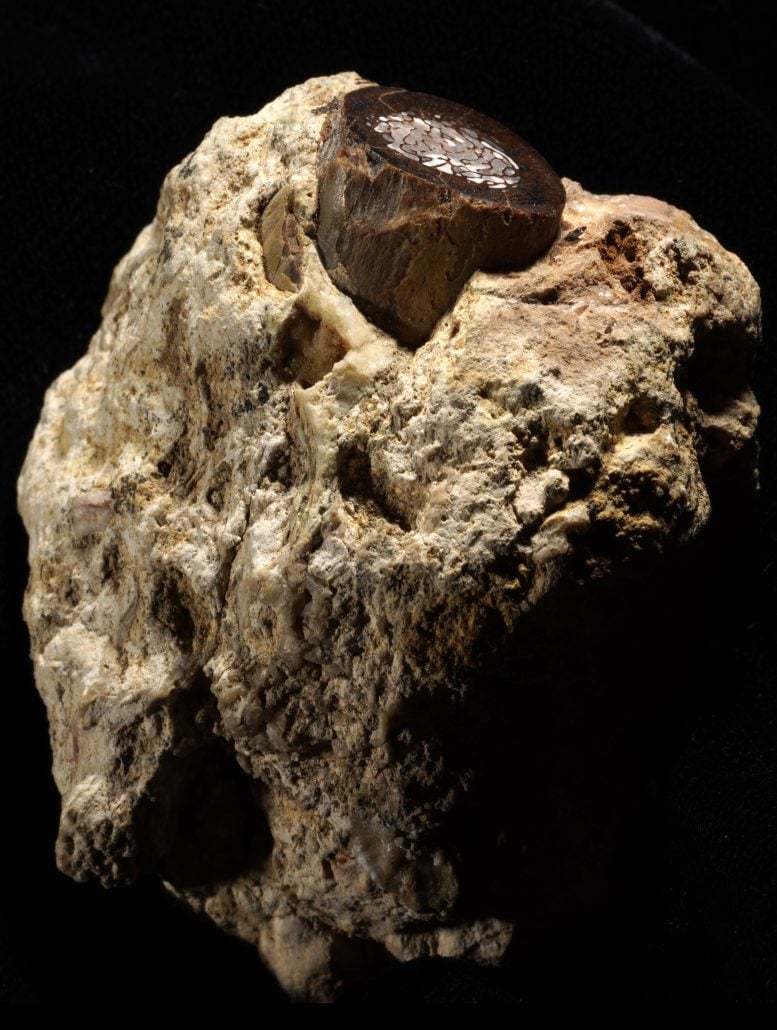
Timothy Bromage, a molecular pathologist at NYU College of Dentistry, had been studying how bones preserve information. He knew that collagen—the protein that gives bones their strength—can last millions of years, even in dinosaur fossils. He wondered if other molecules might be tucked away in the same protective spaces within bone. As bones form, metabolites circulating through the bloodstream seep into tiny pockets and get sealed there, essentially creating a time capsule of an animal's chemistry.
We're a new kind of news feed.
Regular news is designed to drain you. We're a non-profit built to restore you. Every story we publish is scored for impact, progress, and hope.
Start Your News DetoxTo test this, his team used mass spectrometry—a technique that breaks molecules into ions to identify them—on modern mouse bones first. They found nearly 2,200 distinct metabolites. Then they turned to fossils collected from Tanzania, Malawi, and South Africa, analyzing bone fragments from rodents, antelopes, pigs, and elephants that lived millions of years ago.
Thousands of metabolites emerged from the ancient bones, many matching those in living animals today. Some told straightforward stories: amino acid metabolism, vitamin processing, normal biological housekeeping. Others were more dramatic. In that ground squirrel from Olduvai Gorge, researchers identified a metabolite unique to Trypanosoma brucei—the parasite that causes sleeping sickness in humans, transmitted by tsetse flies. They could also see the squirrel's own inflammatory response to the infection, written in its bone chemistry.
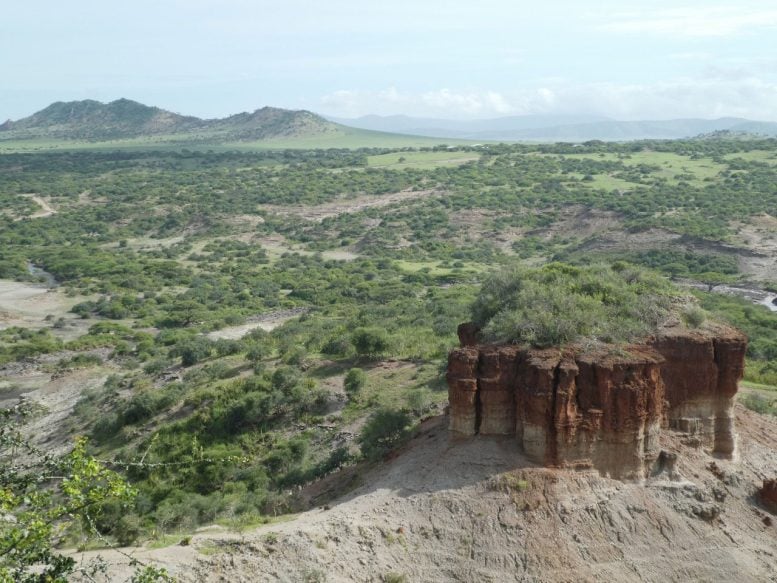
The diet clues were equally precise. By finding metabolites from aloe and asparagus in the animals' bones, researchers could work backward to reconstruct the environment. Aloe thrives only in specific temperature and rainfall ranges. Asparagus suggests particular soil conditions. Piece together enough of these plant metabolites, and you can rebuild an entire landscape from a single bone.
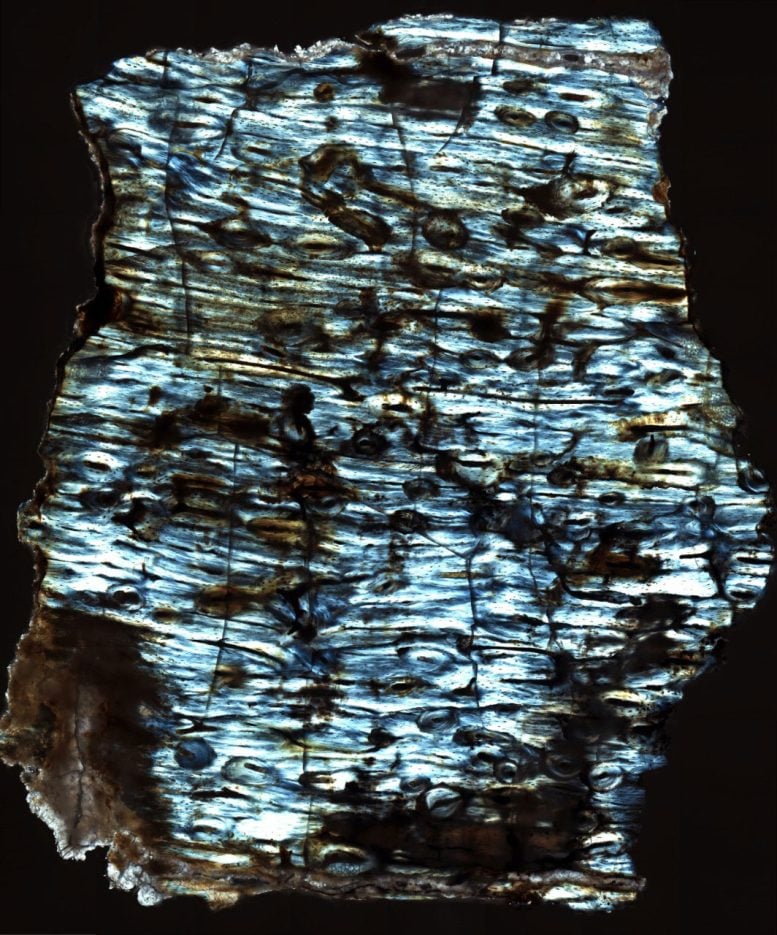
The picture that emerged matched what paleontologists already knew about these regions—the Olduvai Gorge was freshwater woodland and grassland, wetter and warmer than today. But now researchers had molecular confirmation, not just geological inference. They could tell what an animal ate for breakfast 1.8 million years ago, whether it was sick, and what the weather was probably like that week.
Bromage describes it as becoming a field ecologist in a prehistoric world, reading an environment through the chemistry of a single bone. This method opens a new layer of detail about deep time—not just what ancient creatures looked like, but how they lived, what stressed them, what they consumed, and what surrounded them. Each fossil becomes less a museum piece and more a preserved moment.