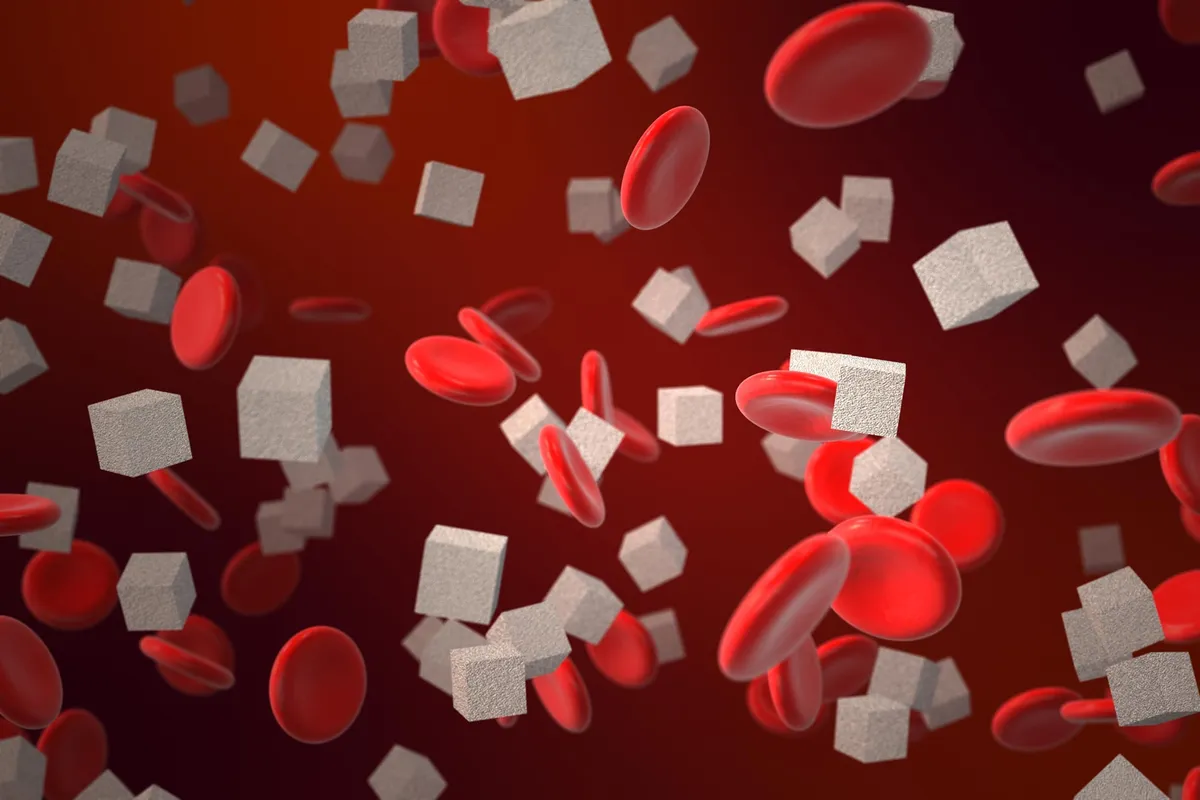
People who live in the mountains have long puzzled researchers: they develop diabetes at lower rates than their sea-level neighbors. Scientists at Gladstone Institutes finally understand why. Under low oxygen conditions, red blood cells transform into glucose sponges, soaking up sugar from the bloodstream with remarkable efficiency.
The discovery emerged from a years-long puzzle. Researchers studying mice in low-oxygen environments noticed their blood sugar dropped sharply after eating—a pattern normally associated with diabetes resistance. But when they traced where the glucose was going, the usual suspects weren't there. The liver, muscles, and brain couldn't account for the missing sugar.
Using new imaging techniques, the team found the answer: red blood cells themselves. Under hypoxia (low oxygen), these cells absorbed far more glucose than they normally would. The mice also produced significantly more red blood cells overall. Each individual cell was working harder to pull sugar from circulation.
We're a new kind of news feed.
Regular news is designed to drain you. We're a non-profit built to restore you. Every story we publish is scored for impact, progress, and hope.
Start Your News DetoxHow the body adapts
The mechanism is elegant. When oxygen is scarce, red blood cells use that absorbed glucose to produce a molecule that helps tissues extract oxygen more efficiently from the limited supply available. It's a metabolic trade-off: sacrifice some blood sugar to get better oxygen delivery when you need it most.
What surprised researchers most was the staying power. Even after mice returned to normal oxygen levels, the metabolic benefits persisted for weeks or months—suggesting the body's adaptation created lasting changes.
This insight led to a drug called HypoxyStat, developed in the same lab to mimic low-oxygen conditions artificially. In diabetic mice, it completely reversed high blood sugar and outperformed existing treatments. "This is one of the first uses of HypoxyStat beyond mitochondrial disease," says researcher Jain. "It opens the door to thinking about diabetes treatment in a fundamentally different way—by recruiting red blood cells as glucose sinks."
The implications stretch beyond diabetes. Trauma surgeons are watching closely: severe injury triggers dangerous shifts in how the body handles glucose and oxygen. If red blood cell behavior can be harnessed therapeutically, it might improve survival rates in trauma patients. Exercise physiologists are interested too—understanding how the body naturally adapts to low oxygen could reshape training approaches.
The research suggests that sometimes the solution to a modern disease lies in understanding how our bodies already handle extreme conditions. Mountain dwellers discovered this by accident over generations. Science is now turning that observation into treatment.