Turns out, you might have a secret weapon against an aging brain, and it goes by the name of TIMP2. Scientists, bless their inquisitive hearts, have just found that this protein, abundant in younger individuals, seems to be a master key for keeping our brain's immune cells — the microglia — spry and efficient, even as the rest of us are busy forgetting where we put our keys.
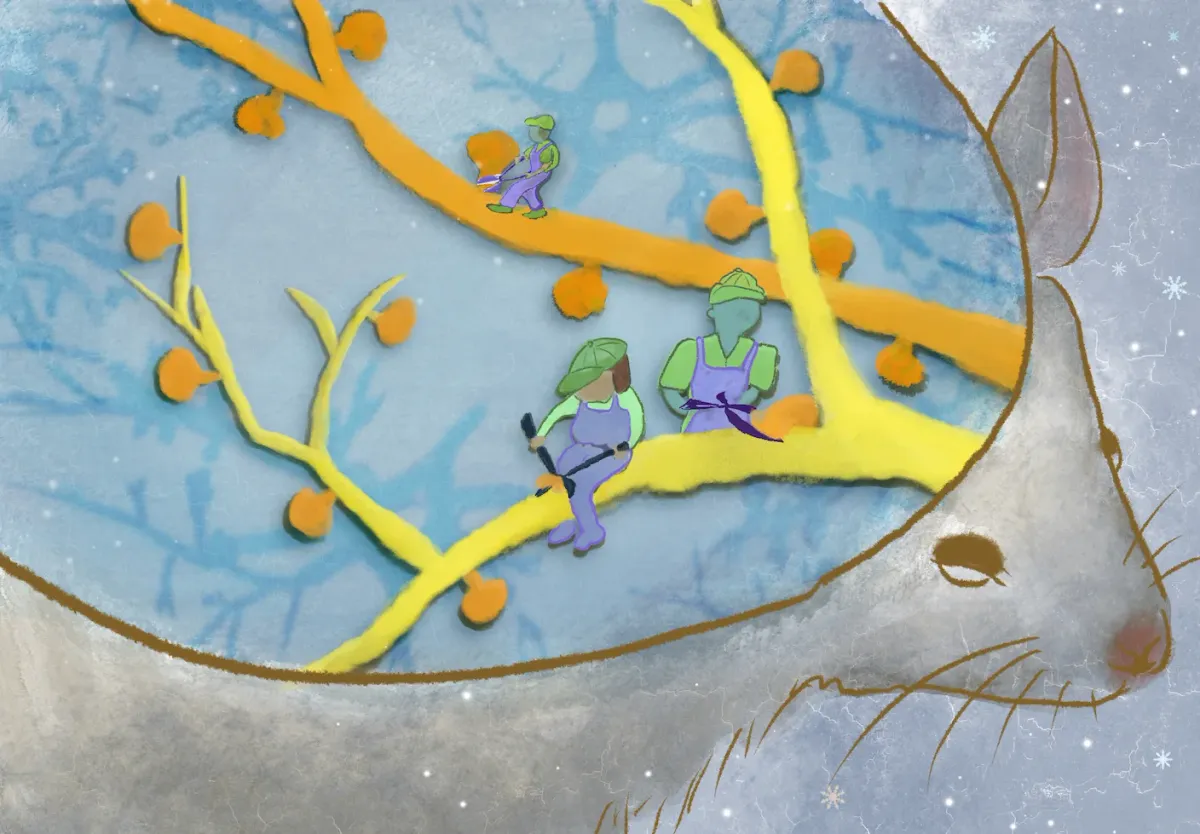
Think of microglia as the brain's tiny, tireless cleanup crew. They sweep away cellular debris, support neural circuits, and generally keep things running smoothly. But just like any good crew, they get a bit sluggish with age. They start missing spots, letting inflammation get out of hand, and generally acting like they've had one too many late shifts.
Enter TIMP2, the protein equivalent of a strong espresso shot for these weary brain defenders. Researchers at Mount Sinai found that in mice, a lack of TIMP2 led to microglia showing all the tell-tale signs of aging and brain degeneration. They couldn't clear debris as well, and inflammation markers went through the roof.
We're a new kind of news feed.
Regular news is designed to drain you. We're a non-profit built to restore you. Every story we publish is scored for impact, progress, and hope.
Start Your News DetoxBut here's the kicker: when older mice were given TIMP2, their microglia snapped back into action. They became better at clearing out the gunk and those pesky inflammation markers dropped. It's like the brain's janitorial staff suddenly found their second wind, and maybe even a new mop.
The Brain's Own Fountain of Youth?
This isn't just about tidier brains; it's about understanding why aging is such a massive risk factor for conditions like Alzheimer's. While we've known the link, the 'why' has been a bit of a mystery. TIMP2 offers a tantalizing clue, suggesting that factors tied to youth might directly influence how our brain's immune system holds up over time.
Dr. Joseph M. Castellano, the lead author, noted that TIMP2 not only helps microglia clear debris but also limits harmful inflammatory responses. And if that wasn't enough, earlier work showed TIMP2 also regulates how brain connections change. Basically, this protein is doing a lot of heavy lifting for brain health.
To really dig in, the team messed with TIMP2 in various mouse models. Some mice were missing it entirely, others just in specific brain cells. Without TIMP2, the microglia looked ancient, their gene activity screamed 'inflammation,' and the fluid around the brain showed higher levels of stress proteins. It was not a pretty picture.
But then, the reversal. Injecting older mice with TIMP2 didn't just stop the decline; it actually improved things. Microglia shifted away from pro-inflammatory states and became far more efficient at debris clearing. Which, if you think about it, is both impressive and slightly terrifying in its implications.
Now, before you start hunting for TIMP2 supplements, remember these were mice. Glorious, highly informative mice. More research is needed to see if the same magic happens in humans and if we can actually target this pathway for new treatments. But for now, it's a fascinating peek into how our youthful biology might be secretly shielding our brains, and how we might just be able to tap into that power as we age.