This week, the universe itself seemed to pick up the pace, echoing the quickening pulse of discovery and innovation right here on Earth. From cosmic expansion to cellular mechanics, the overarching theme was acceleration — a noticeable shift from incremental gains to breakthroughs that redefine the possible.
The Universe, Unexpectedly Expansive
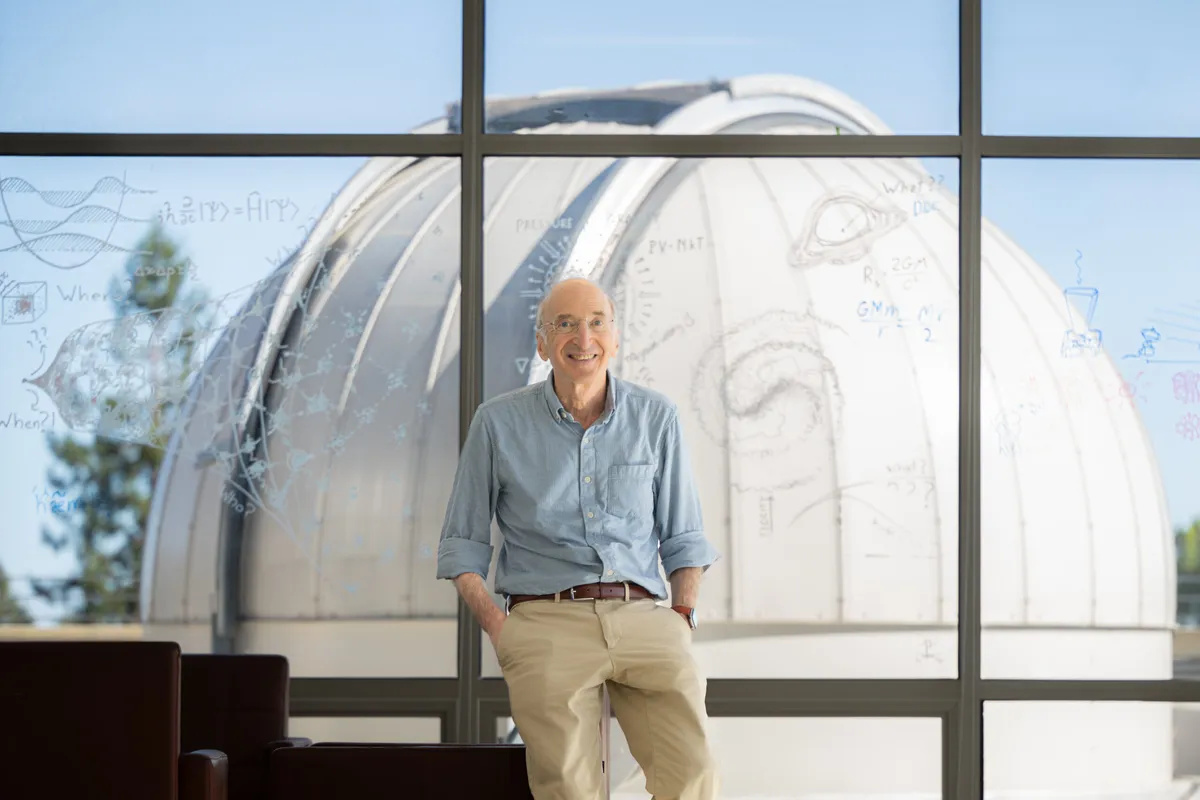
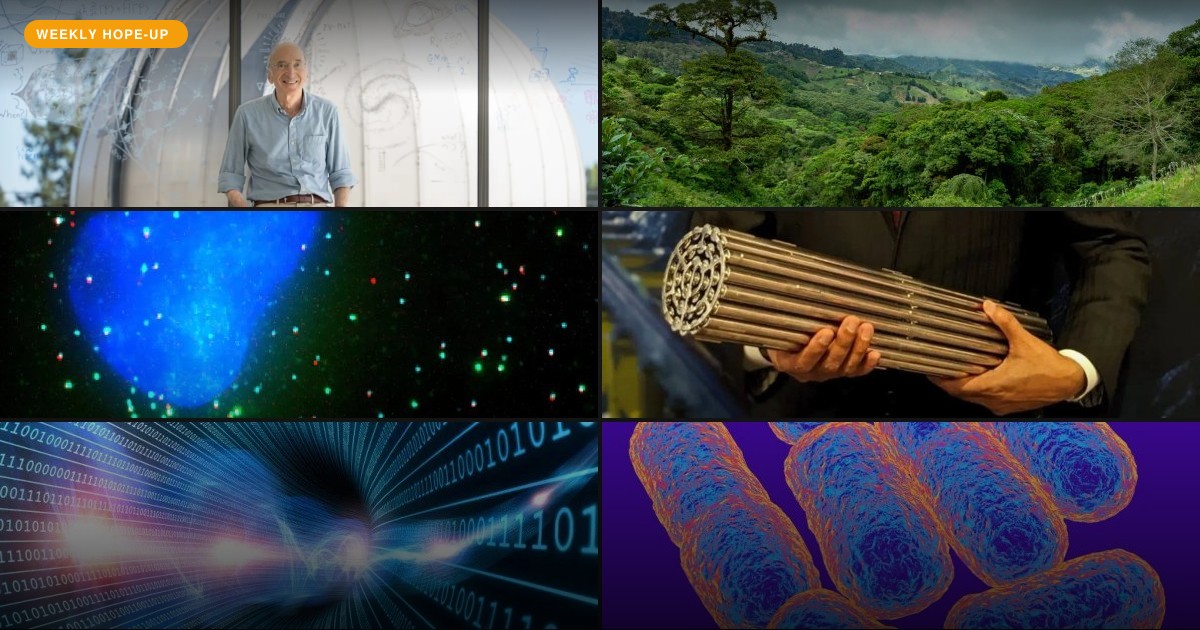
Remember when we thought the universe was just... expanding? Nobel laureate Saul Perlmutter and his team discovered it's actually accelerating into its vast unknown. This week, Perlmutter recounted his team's universe-altering discovery, a reminder that even the most fundamental assumptions can be upended. It’s a bit like finding out your carefully plotted road trip is actually on a rocket. The universe is not just bigger than we thought; it's getting bigger faster than we thought. This cosmic acceleration finds a fascinating parallel in our own understanding of life's origins, with scientists finding a 3.7-billion-year-old secret of early life hidden in ancient microbes' use of molybdenum. It suggests life, too, found its footing much earlier and more cleverly than previously imagined. If the universe can surprise us with its speed, perhaps our own trajectories are more flexible than we assume.
"Cleared tropical rainforests can recover 90 percent of their species diversity within a single human generation, according to new research from Ecuador’s Chocó region." — Read the full story
Wait—What is Brightcast?We're a new kind of news feed.
Regular news is designed to drain you. We're a non-profit built to restore you. Every story we publish is scored for impact, progress, and hope.
Start Your News Detox
Speeding Up the Small Stuff
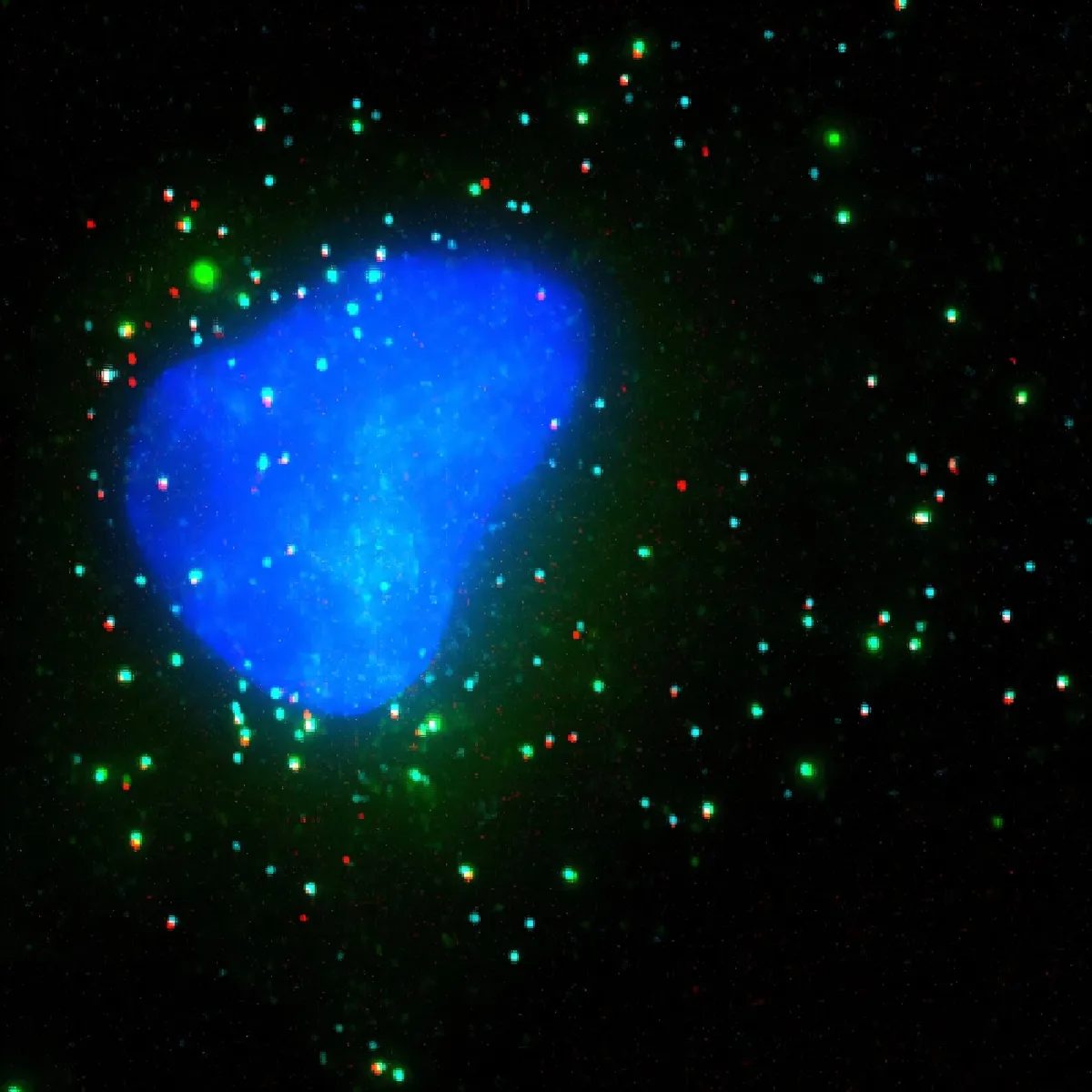
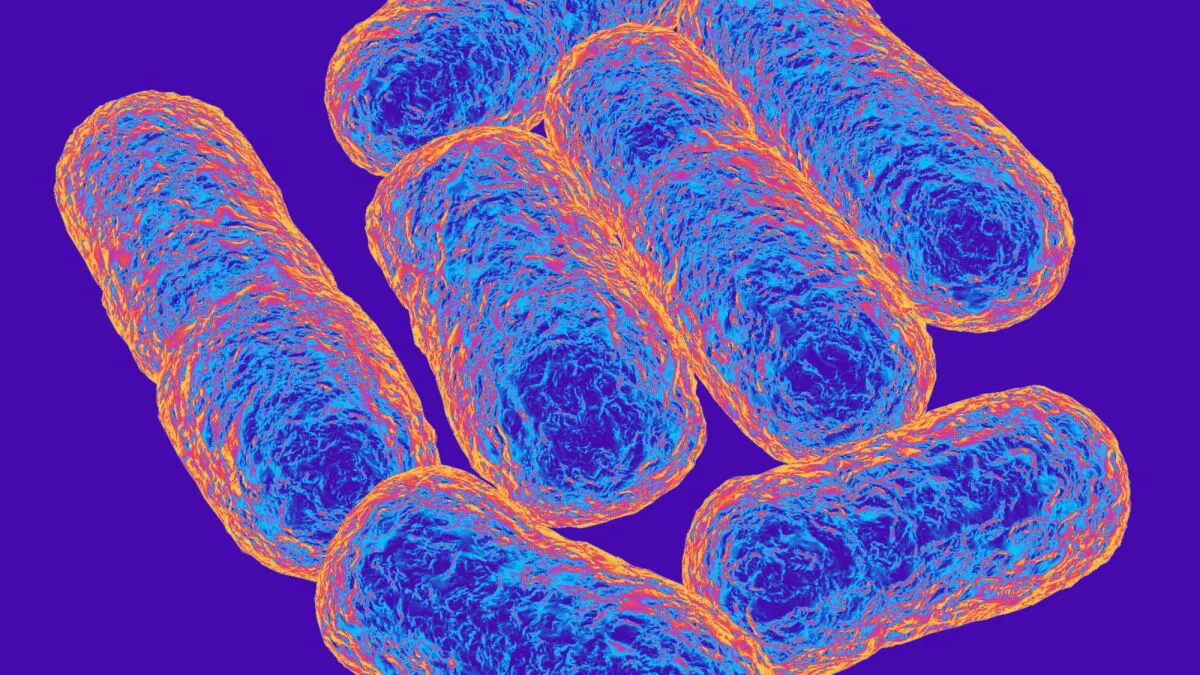
Closer to home, the pace of scientific advancement is also hitting new speeds, particularly in biology and health. Scientists at Johns Hopkins Medicine found a way to nearly double mRNA speed by avoiding ribosome traffic jams. This isn't just a lab curiosity; it means vaccines and therapeutics could be delivered faster and more efficiently, potentially revolutionizing treatments for infectious diseases, cancer, and autoimmune conditions. Meanwhile, researchers in Shanghai engineered bacteria into a 'living drug' that could revolutionize diabetes treatment by sensing and reducing glucose levels. It's a leap from managing symptoms to fundamentally altering how the body processes disease. These aren't just incremental improvements; they're the kind of accelerated insights that change the timeline for when we can expect real medical breakthroughs.
Durable Solutions, Faster to Market
This week also highlighted a fascinating trend: solutions built for the long haul are reaching deployment faster than ever. Take the ancient Romans, whose concrete still stands firm millennia later. Now, thanks to MIT researchers, that ancient Roman concrete secret is unlocked and being applied to self-healing modern buildings. We're not just building things to last; we're figuring out how to make them repair themselves. On a grander scale, Clean Core Thorium Energy's new nuclear fuel just hit a major milestone and can be used in existing reactors, accelerating the path to cleaner energy without needing entirely new infrastructure. Even in space, Oak Ridge National Laboratory is engineering nuclear batteries that last decades, ensuring Mars rovers (and terrestrial remote sensors) can operate for years without maintenance. This means we're moving beyond quick fixes to durable, resilient systems, and crucially, they're getting to us quicker than anticipated. If you've been waiting for robust solutions to big problems, this week suggests they're arriving ahead of schedule.
Hope stat: 90% — the biodiversity recovery rate of cleared rainforests within a single human generation.
Watch this space: The continued acceleration of mRNA therapeutics and their unexpected applications beyond vaccines.