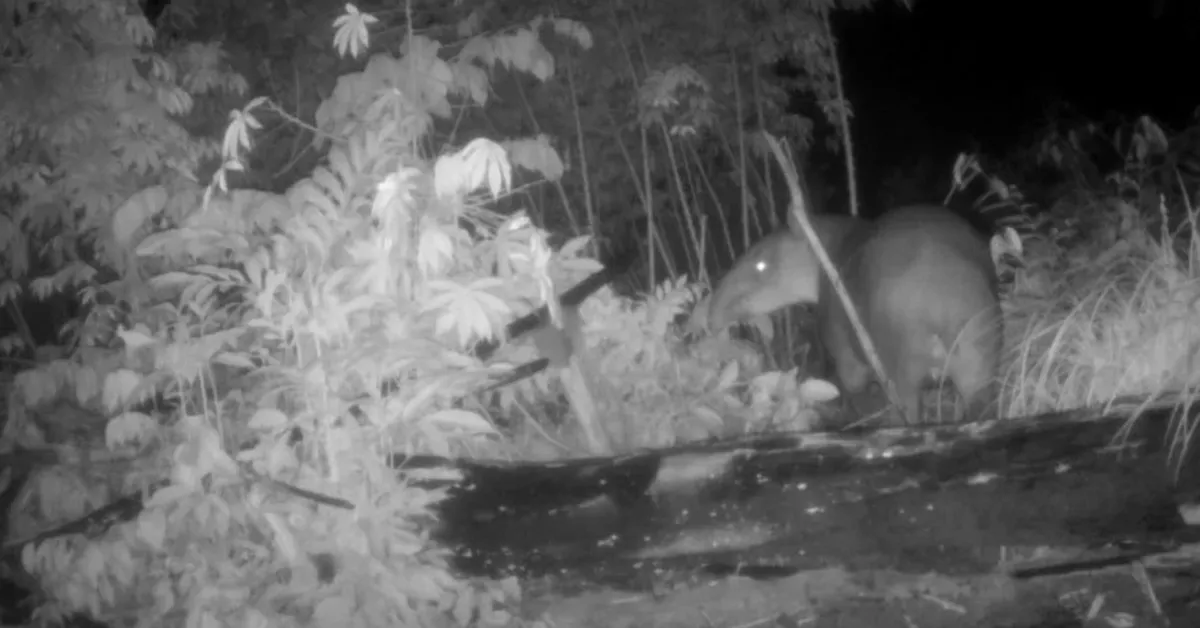
In the Indigenous Miskitu community of Mavita in eastern Honduras, farmers were losing their cassava crops. For years, they blamed paca rodents, armadillos, and the Baird’s tapir.
Baird’s tapirs, called "tilvas" by locals, are the largest land mammals in Central America. They can weigh up to 660 pounds, about the size of a small donkey. They have long noses, pig-like bodies, and hooved feet.
These tapirs are also highly endangered. They live from northern Colombia to southeastern Mexico. They used to be in El Salvador and Ecuador, but habitat loss and hunting have made them disappear from those countries.
We're a new kind of news feed.
Regular news is designed to drain you. We're a non-profit built to restore you. Every story we publish is scored for impact, progress, and hope.
Start Your News DetoxIn 1996, the Baird’s tapir was listed as vulnerable. By 2002, it was upgraded to endangered. This happened after research showed their population dropped by 50% in just 30 years.
Camera Traps Reveal the Truth
When the Wildlife Conservation Society (WCS) heard about the conflict between Miskitu farmers and tapirs, they offered to help. Researchers noted that human-wildlife conflicts in Central America often involve crop damage or livestock predation. Communities sometimes retaliate, which threatens wildlife.
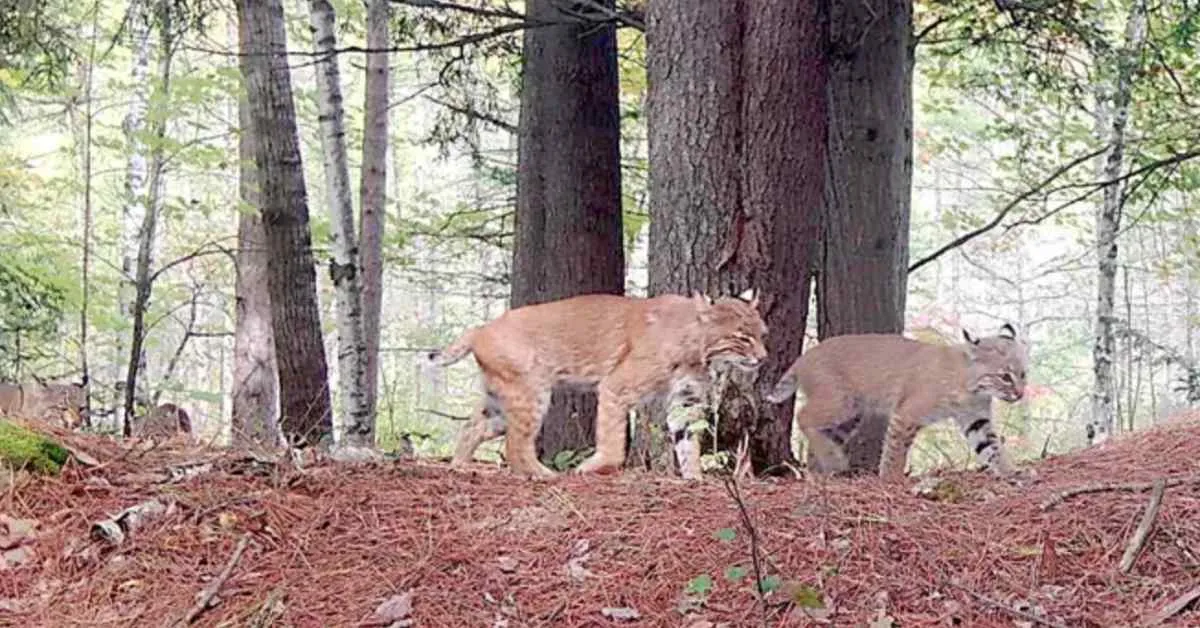
To find out who was stealing the crops, WCS scientists set up camera traps. These traps had solar-powered, motion-activated LED lights in a 24-acre cassava field. Many animals appeared from the nearby pine and rainforests.
Lead author Manfredo Turcios-Casco was surprised by the findings. He said the animal most blamed by locals was not the one causing most of the crop damage.
The cameras showed that the Honduran cottontail rabbit was the most frequent visitor to the cassava crops, not the tapir. The rabbit looks much like the Eastern cottontail rabbit found in North America.
Researchers concluded that rabbits were the main crop raiders. Tapirs were present but not the only culprits. They also found no evidence that armadillos or pacas were eating the cassava.
Turcios-Casco noted that many conservation conflicts start with assumptions. He explained that it's easy to blame large, noticeable animals without proof.
Protecting the "Gardeners of the Forest"
Because of these assumptions, Baird’s tapirs had been hunted in the area for years. This was a problem because tapirs are vital to the ecosystem. These gentle herbivores are known as "gardeners of the forest." They eat and spread seeds from about 200 plant species as they move through the forests.
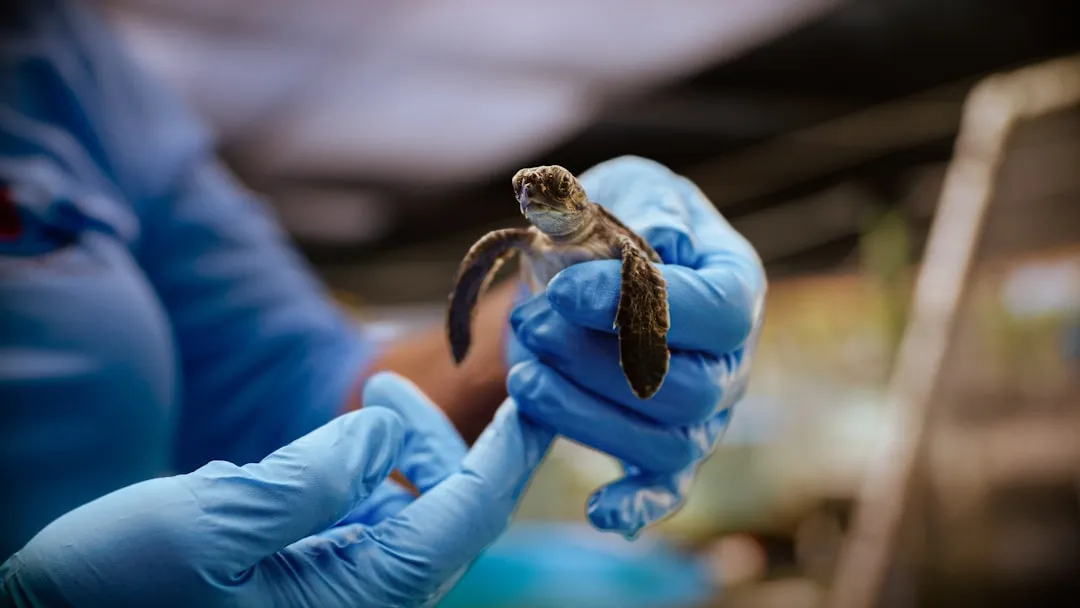
Turcios-Casco said camera traps helped identify which species were truly interacting with the crops. This helped separate what people thought was happening from what was actually happening.
In their study, Turcios-Casco and his team suggested using more light traps and camera traps. This would help gather accurate data on human-wildlife conflicts. They stressed the importance of correctly identifying the species involved. This helps guide proper management and avoids harming endangered species.
Deep Dive & References
Human-wildlife conflict in the Honduran Mosquitia: The case of the endangered Baird’s tapir (Tapirus bairdii) - Neotropical Biology and Conservation, 2024