Today, we saw a quiet revolution in how we understand the world, driven by precision, observation, and a healthy dose of ingenuity. Whether it was the Supreme Court tightening its grip on digital surveillance or biologists finding new ways to track elusive animals, the theme was clear: accuracy is the new power.
The Unseen Revealed: From Courts to Critters
It seems our collective ability to see and understand is getting an upgrade. Take the U.S. Supreme Court, which just restricted the use of geofence warrants. This isn't just about privacy; it's about refining how law enforcement gathers evidence, moving away from dragnet approaches and towards more targeted investigations. It's a recognition that digital footprints, while vast, require a narrower lens.
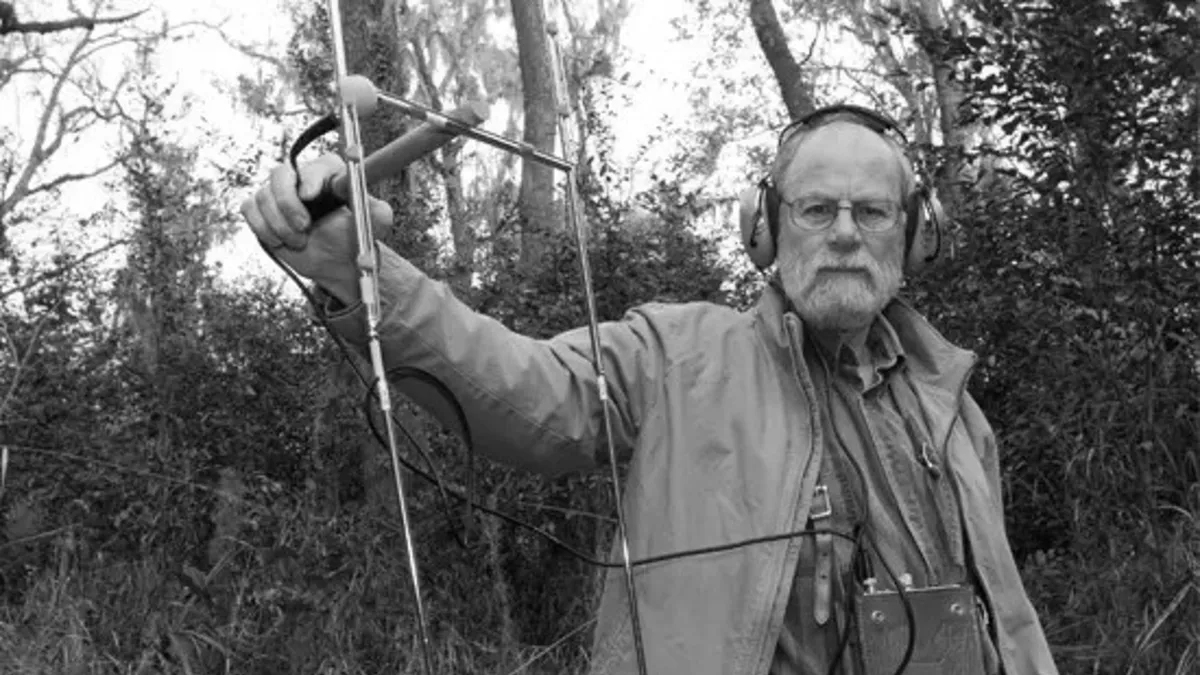
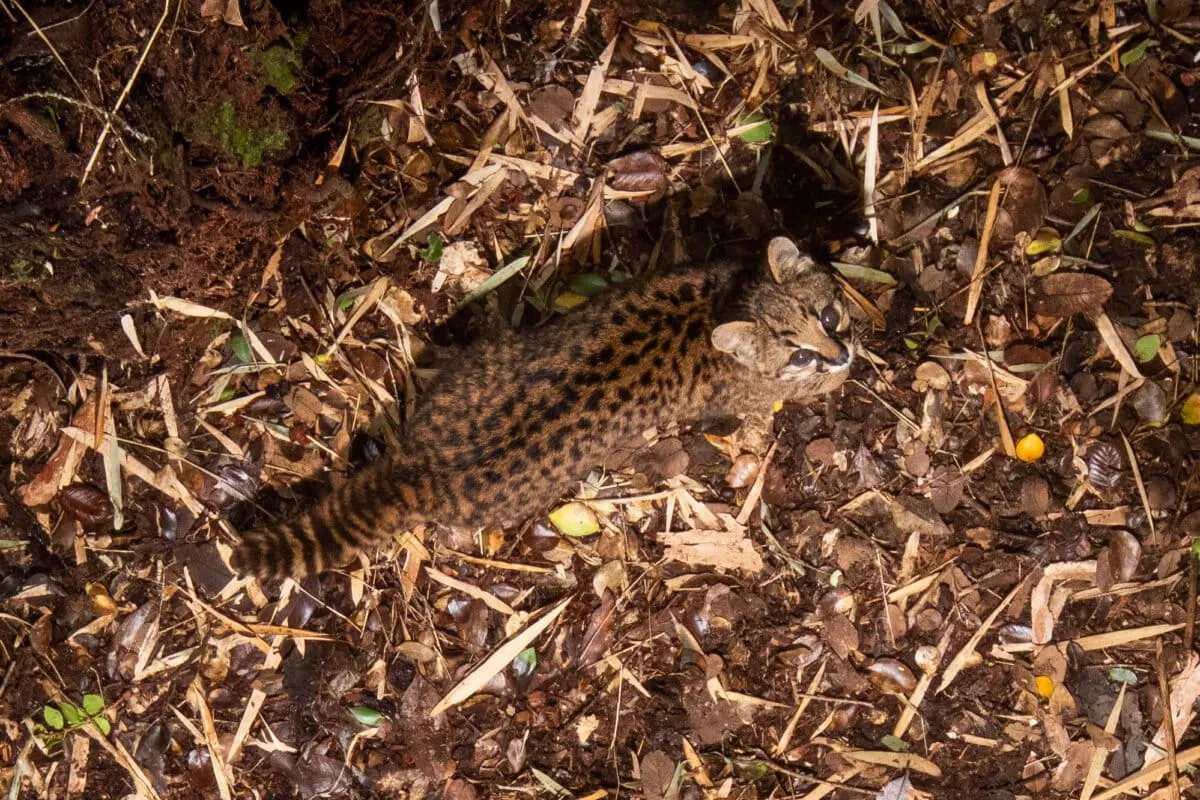
Meanwhile, in the natural world, researchers are perfecting their own vision. Solving a Wild Cat Mystery means adjusting camera trap angles to distinguish individual guiña, those notoriously similar small forest cats in Chile and Argentina. This seemingly minor tweak is a game-changer for conservation, allowing scientists to track populations with unprecedented accuracy. And speaking of tracking, the legacy of biologists like Mel Sunquist, who followed tigers before GPS, reminds us how far we've come in understanding elusive species through persistent, detailed observation. What this means for you: From your digital rights to the survival of a species, precision in observation is changing the rules of engagement.
We're a new kind of news feed.
Regular news is designed to drain you. We're a non-profit built to restore you. Every story we publish is scored for impact, progress, and hope.
Start Your News Detox"The U.S. Supreme Court on Thursday restricted the use of a relatively new law enforcement tool that allows police to search databases of cellphone information to identify suspects near a crime scene." — Read the full story
Unexpected Rescues: When Urban Life Saves Wild Relatives
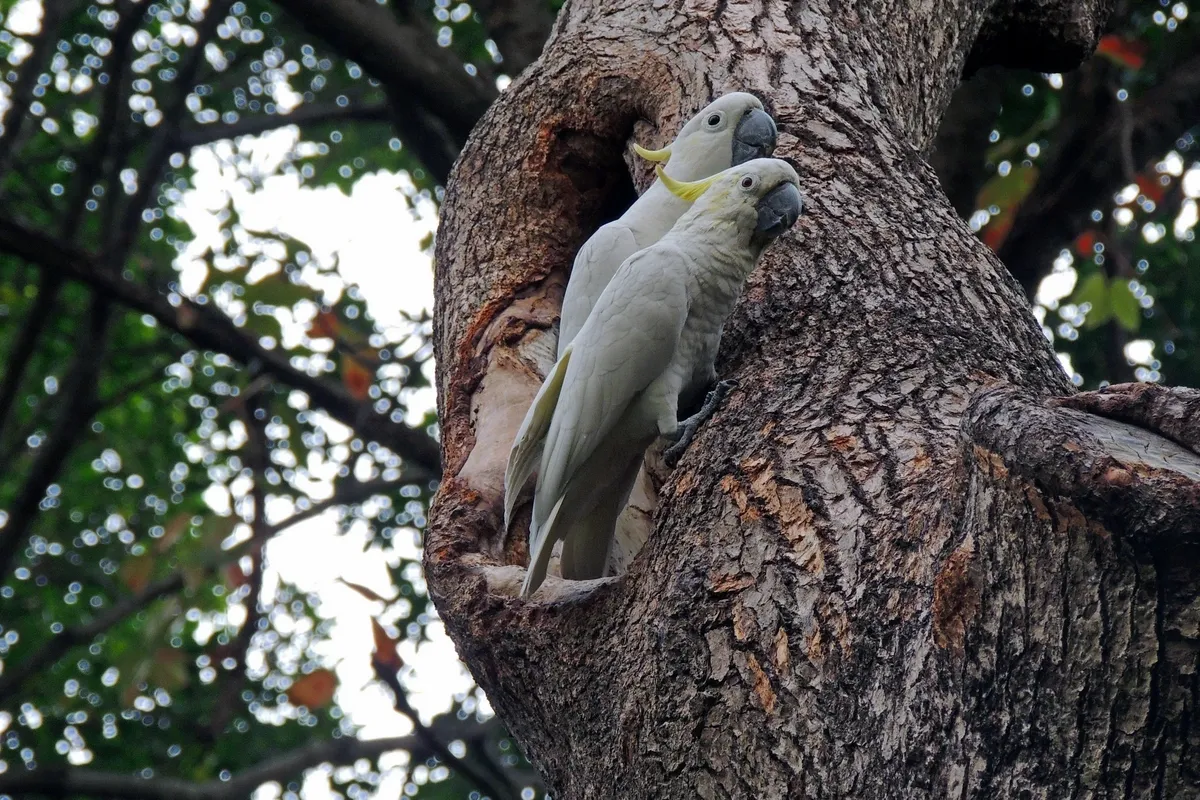
Sometimes the solution to a global problem isn't in a pristine wilderness, but right in the middle of a bustling city. Case in point: Hong Kong's City-Dwelling Cockatoos Could Save Their Wild Relatives. These noisy, feral yellow-crested cockatoos, thriving amidst skyscrapers, carry a genetic diversity that their critically endangered Indonesian ancestors have lost. It's a remarkable twist of fate, where urban adaptation might just provide the genetic lifeline for a species facing extinction in its native habitat. It's a vivid reminder that resilience can bloom in the most unexpected places.
This week also saw continued innovation in infrastructure, with China building two record-breaking bridges, one a sea railway. These aren't just feats of engineering; they represent the ongoing human drive to connect, to overcome natural barriers, and to build pathways for a future that is, quite literally, more connected. What this means for you: Solutions to complex problems might be hiding in plain sight, or in places you'd least expect them.
Hope stat: 50% — the estimated genetic diversity of Hong Kong's urban cockatoos compared to their wild, critically endangered relatives.
Watch this space: The continued evolution of AI and robotics, like China's planned robot-run hotel, will push the boundaries of automation and human interaction in unexpected ways.