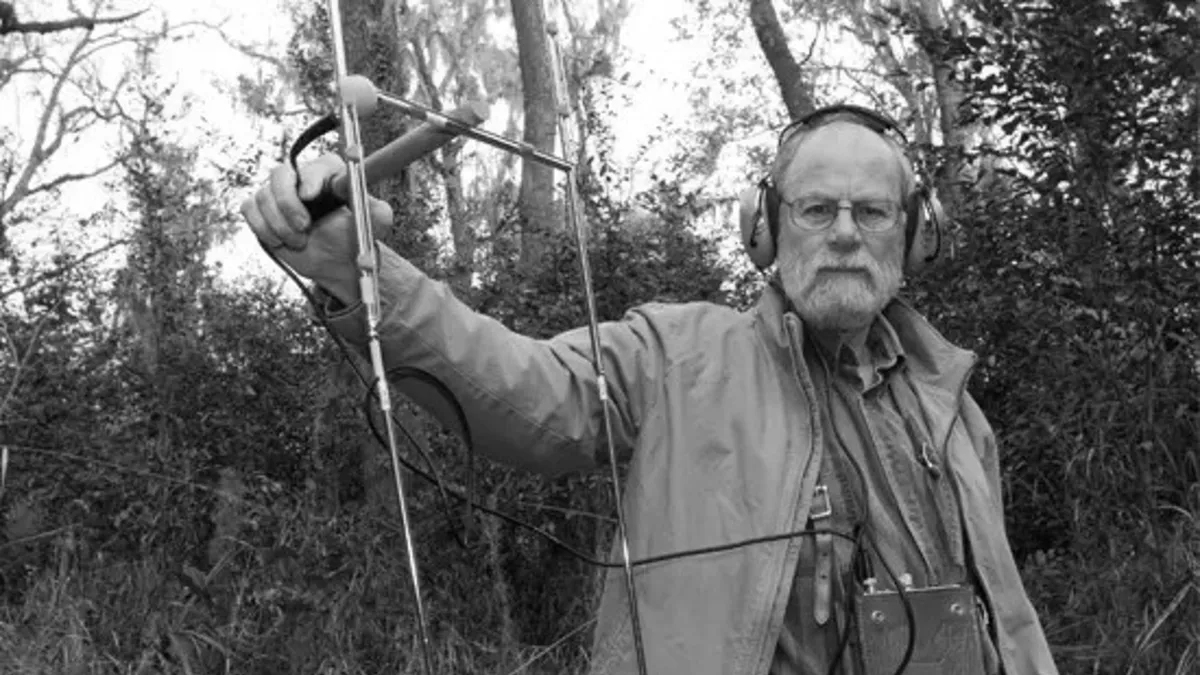
Back in the 1970s, studying wild tigers wasn't about fancy camera traps or satellite data. It was about pure, unadulterated grit. Biologists didn't have apps to track a tiger's movements; they had to follow them. Through dense forests. With a receiver and a notebook. Because apparently, that's what science looked like when you really wanted to know what a big cat was up to.
Then came the radio collar. A game-changer, really. It meant instead of guessing where a secretive jaguar or puma might be, you could actually, you know, know. This still required the patience of a saint, a steady hand, and an uncanny ability to roll with the punches when a multi-hundred-pound animal decided to take an unexpected detour.
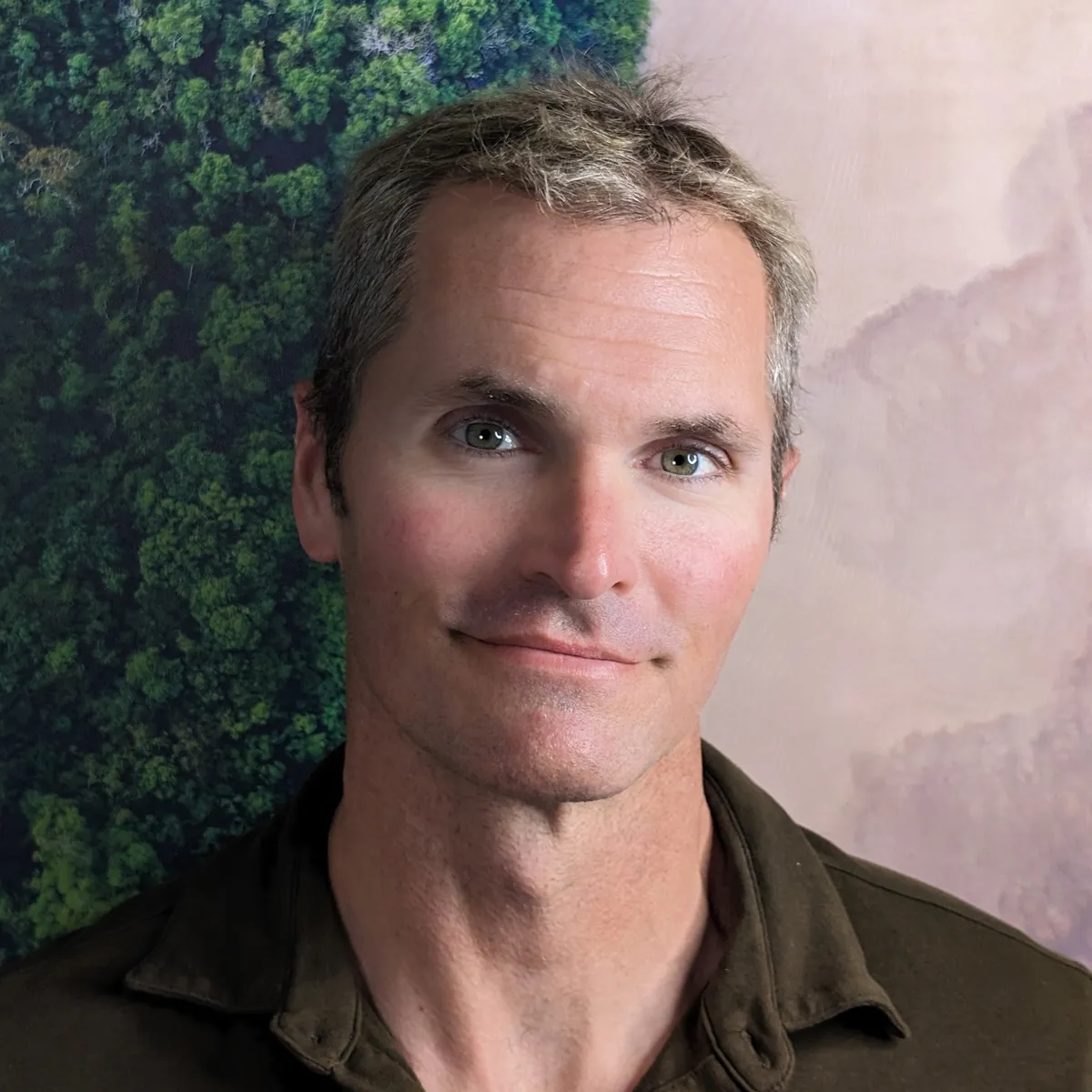
One of these pioneering souls was Melvin Eugene Sunquist, who, at 85, recently passed away on May 9th. Born in Morris, Minnesota, in 1941, he wasn't just a field scientist; he became the guy when it came to wild cats and other large, toothy carnivores.
We're a new kind of news feed.
Regular news is designed to drain you. We're a non-profit built to restore you. Every story we publish is scored for impact, progress, and hope.
Start Your News DetoxThe Man, The Myth, The Mentor
Mel’s resume was a wildlife atlas: Asia, Latin America, Panama, and even the Florida Everglades. But it was at the University of Florida where he truly left his paw print, teaching wildlife ecology and conservation from 1987 until his retirement in 2014.
To pretty much everyone, he was simply "Mel." Known for being unflappable, quiet, and possessing a dry wit that could probably disarm a grumpy leopard. His early work, the stuff that made him a legend, revolved around tigers. Imagine explaining that job at a dinner party: "Oh, you know, just spent the afternoon trying to see if a tiger was going to turn left or right at the big tree."
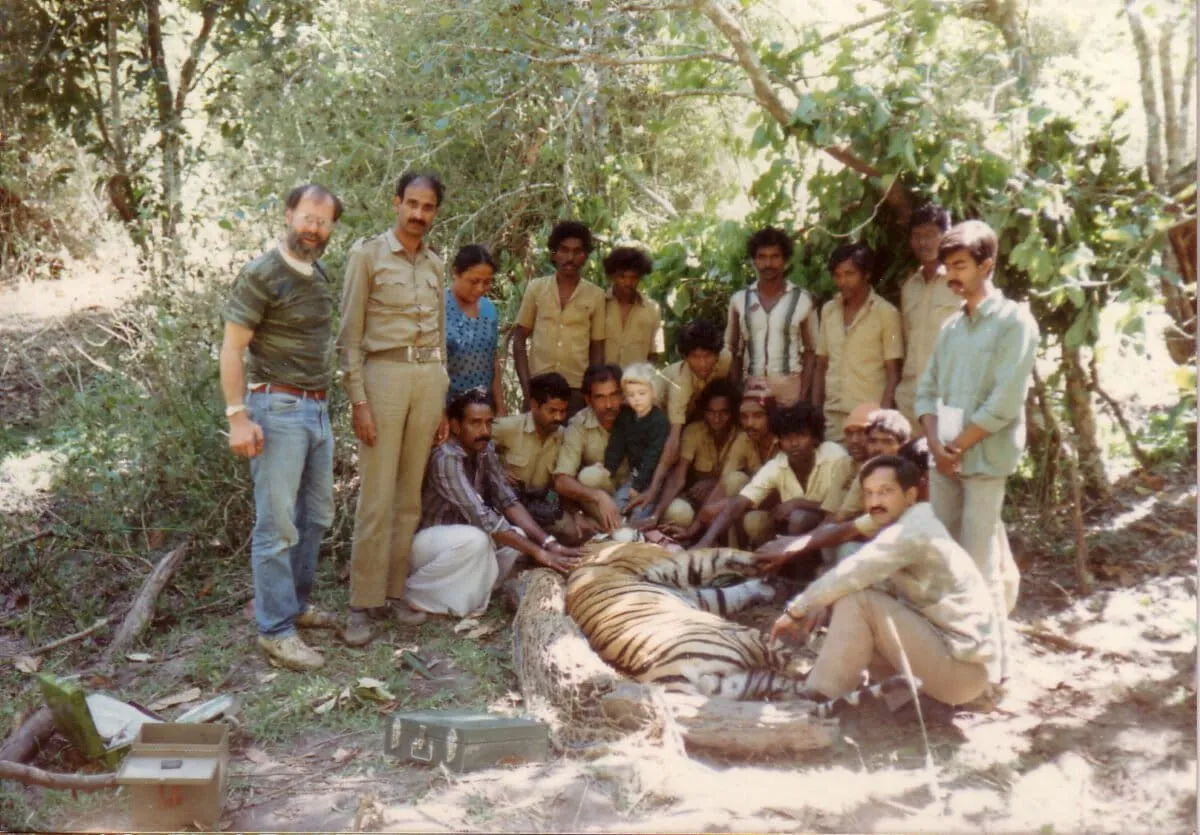
He wasn't just tracking animals; he was forging the path for generations of conservationists who now stand on the shoulders of giants like him. And probably use a lot more GPS.