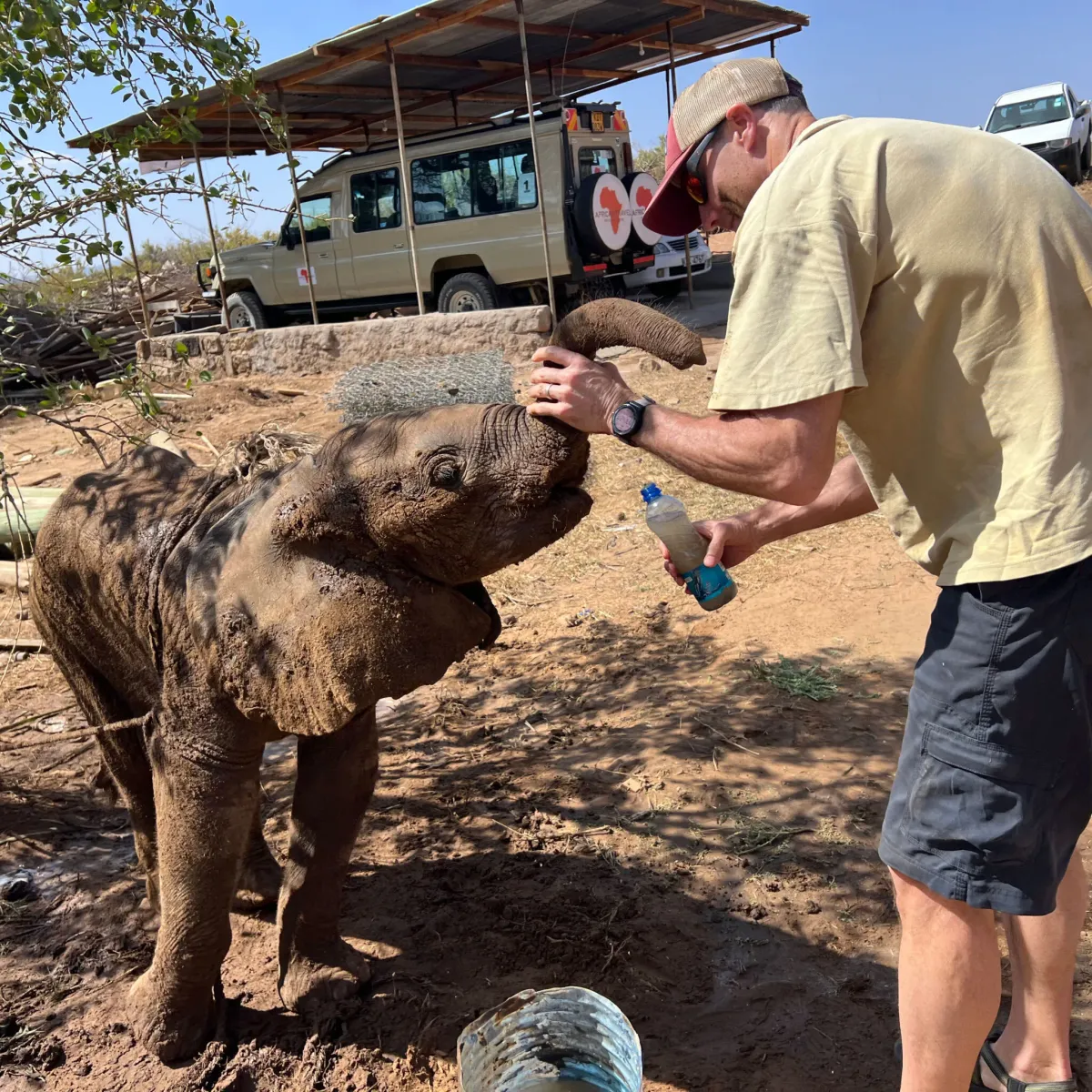
A 4-month-old elephant calf, separated from her family, was found in a tourist camp in northern Kenya. Camp staff tied her to a tree for safety and contacted a research team led by Colorado State University Professor George Wittemyer. Wittemyer has studied elephants in the region for nearly three decades.
The team searched Samburu National Reserve to find the calf's family. Once they identified the likely herd, they brought the young elephant to them.
A Heartwarming Reunion
The researchers watched to see if the herd would accept the calf. Adelaide, the calf's aunt, spotted the baby and called out. The calf responded, and the sound quickly spread through the herd.
We're a new kind of news feed.
Regular news is designed to drain you. We're a non-profit built to restore you. Every story we publish is scored for impact, progress, and hope.
Start Your News DetoxThe entire family rumbled, trumpeted, and gathered around the calf. They enclosed her in a greeting ceremony, which elephants use after being separated for a long time.
Wittemyer explained that elephants are highly social and form strong, lifelong bonds. These bonds are the foundation of their society and drive their complex behaviors.
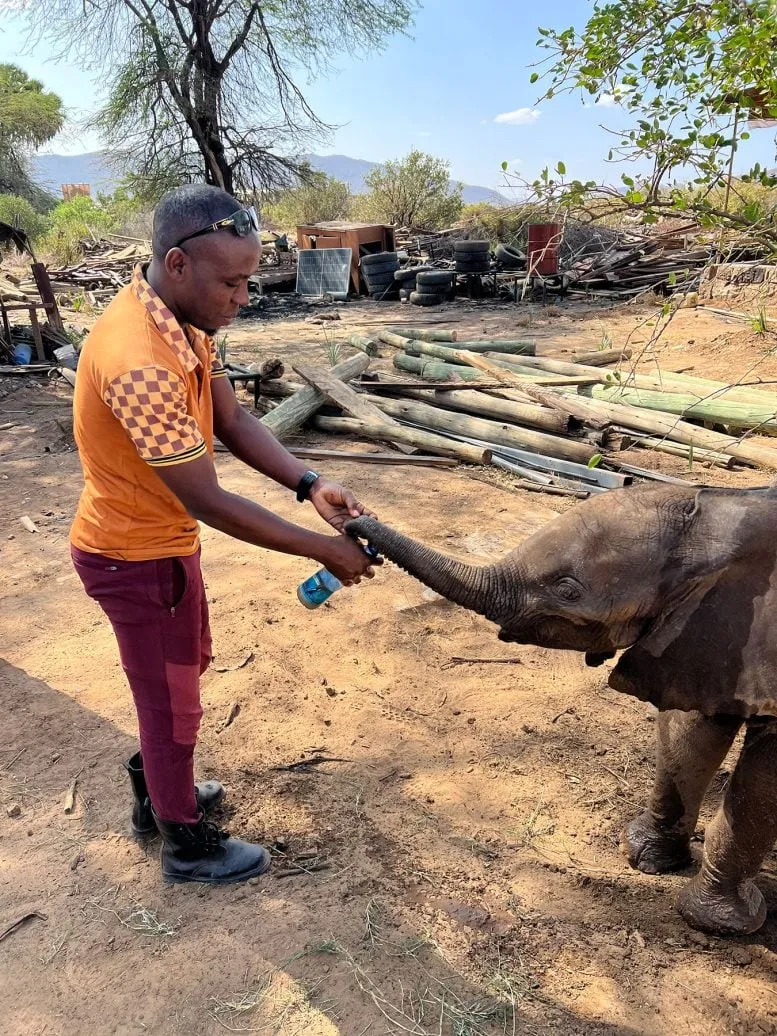
The rescue effort paused the team's work on protecting elephant landscapes. After giving the calf water and a mud bath, returning her to her family proved to be the right choice. The team later found the body of her mother, who likely died of natural causes.
Wittemyer and his colleagues at Save the Elephants closely monitor the elephants in Samburu National Reserve. They record births, deaths, and the details of their social lives. This long-term research helped them identify the lost calf and return her to her family. This work is crucial for protecting African elephants.
Research for Elephant Survival
Wittemyer has dedicated his career to studying and conserving African elephants. He spends several months each year in Africa, conducting research as a CSU faculty member and chief scientist for Save the Elephants. His work has led to discoveries, including evidence that elephants use names to call each other.
Wittemyer's research aims to understand the rich social lives of elephants. This helps people appreciate these animals and understand their needs.
His current studies look at elephant vocalizations, leadership within groups, causes of death, and how to protect migration corridors. These corridors connect elephant populations across changing landscapes.
On a recent trip, Wittemyer's team used drones to study herd movement and leadership. They also fitted one elephant in each group with a GPS radio collar. These collars track movement and record calls to understand elephant communication better. The solar-powered collars are designed to detach after about four and a half years.
The researchers track where elephants travel outside the park. This helps identify important areas for the animals and guides conservation plans. Over two decades, they have seen elephant ranges shrink as human populations grow and wild land is developed.
Elephants need a lot of space. They can also damage property and pose risks to people. This makes it vital to protect their routes before development leads to more conflicts.
Wittemyer stressed that protecting landscapes is critical for elephant survival, especially with projected human population growth in Africa. He believes solutions are needed to reduce challenges for people living near elephants while also fostering appreciation for these animals.
Wittemyer is a leading expert on African elephants and advises national governments on conservation strategies. These strategies aim to protect elephants from habitat loss, illegal hunting, and ivory poaching.
Back on the Reserve
The rescued calf belonged to a family led by a matriarch named Sylvia. Sylvia had a history of separating from her group during tough times and had been missing for about two weeks.
Elephant families are tightly bonded. After the calf's mother died, her aunts, Adelaide and Markle, took over her care. Markle had lost her own calf earlier that year and even nursed the returned calf.
The morning after the reunion, the calf was found lying still in a river depression. The research team feared she had died. However, about an hour later, the calf woke up and called out. Her family heard her and returned. Adelaide led the group into the river to gather around the calf and guide her up the embankment.
This moment showed the elephants' social intelligence and complex behavior. Wittemyer said elephants are among the most sentient and relatable animals. He believes that with determination and foresight, humans can ensure their protection and survival.