Good news for anyone who's ever tried to tell two small, spotted wild cats apart in a dark forest (so, all of us): Scientists have found a surprisingly simple hack.
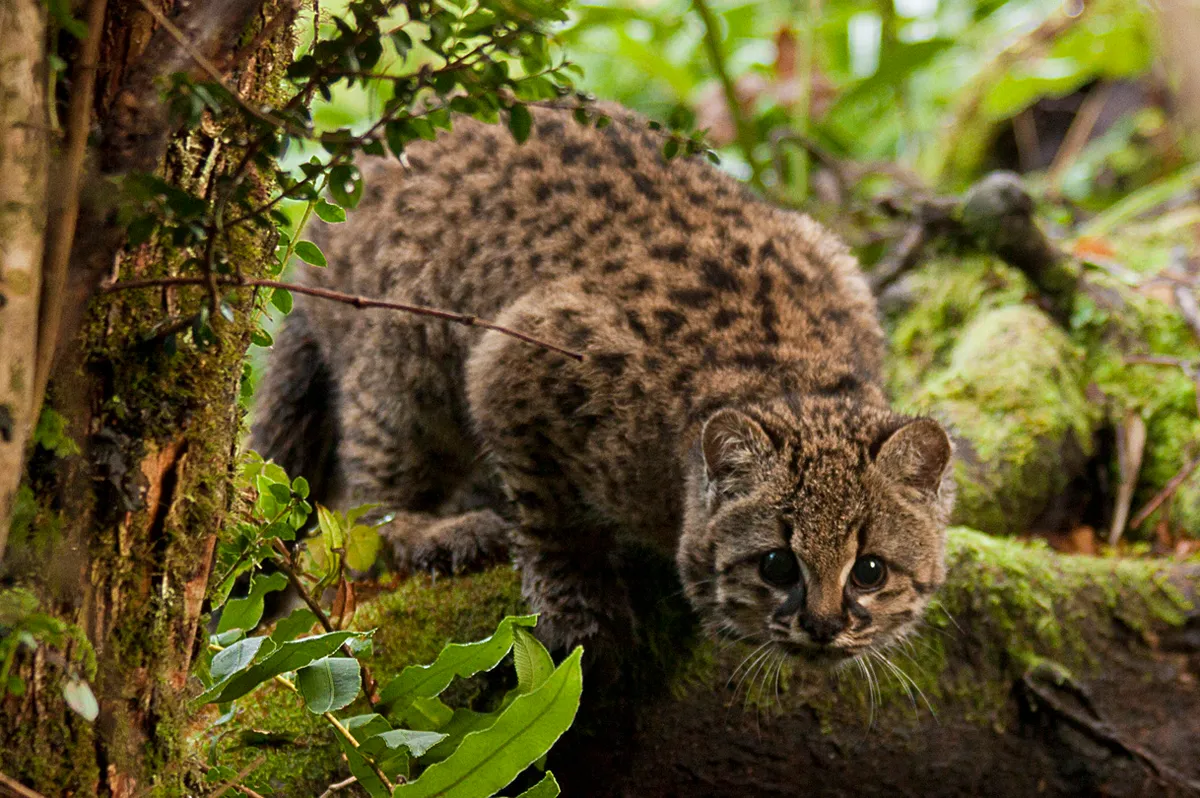
Meet the guiña, a tiny wild cat native to the forests of Chile and Argentina. They're notoriously shy, incredibly cute, and, for scientists trying to count them, an absolute nightmare. Their spots are so subtle, so frustratingly similar, that telling one guiña from another has been a long-standing ecological puzzle. Which, if you think about it, is a pretty fundamental problem when you're trying to figure out how many there are and how to protect them.

Traditionally, researchers place camera traps at ground level, hoping to catch a glimpse of these elusive felines as they saunter by. But from that angle, the guiña's subtle markings become even more subtle. Imagine trying to identify your friend solely by their ankles. It's tough.
We're a new kind of news feed.
Regular news is designed to drain you. We're a non-profit built to restore you. Every story we publish is scored for impact, progress, and hope.
Start Your News DetoxNicholas Galvez, a professor in Chile, put it plainly: "Knowing how many individuals there are is a basic question in ecology." And for the guiña, it was a question they just couldn't answer. So, Galvez and his team decided to literally flip the script.
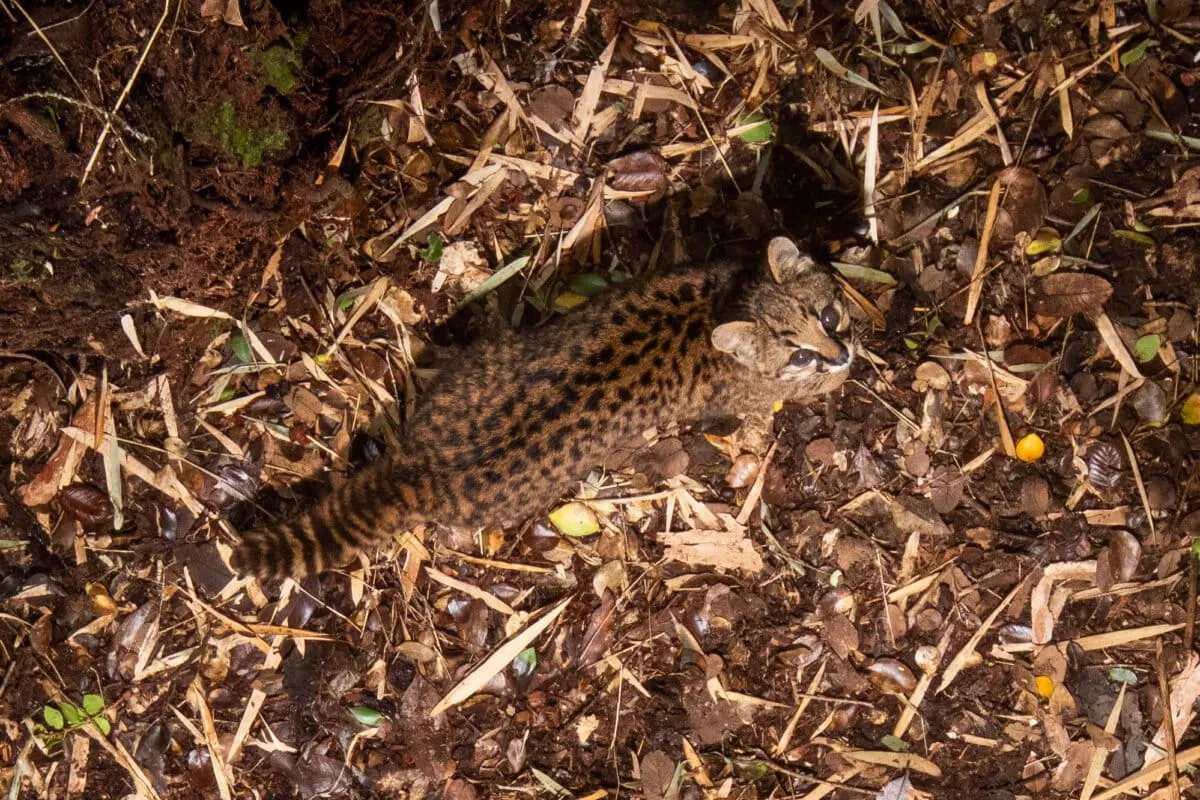
Instead of ground-level peepers, they pointed their cameras downward, from a "zenith" position, attaching them to tree branches and poles in Chile's Reñihué Valley. The result? A feline fashion show, but from above.
This overhead angle allowed them to clearly see the unique spot patterns on the guiñas' backs. Suddenly, 12 individual cats, previously indistinguishable, emerged from the blur. The findings, published in the journal Oryx, are a quiet triumph for cat counters everywhere.
Ilaria Agostini, an Argentine researcher, called it "exciting," noting that it might finally be possible to identify individual guiñas for the first time. Because apparently, sometimes the biggest breakthroughs come from just changing your perspective.