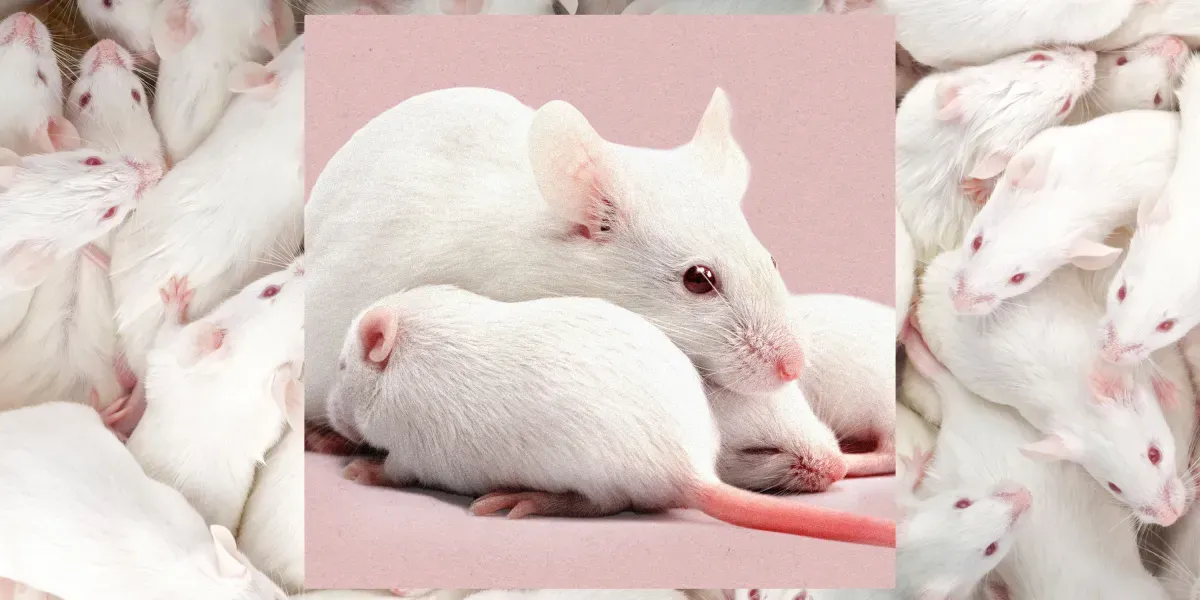
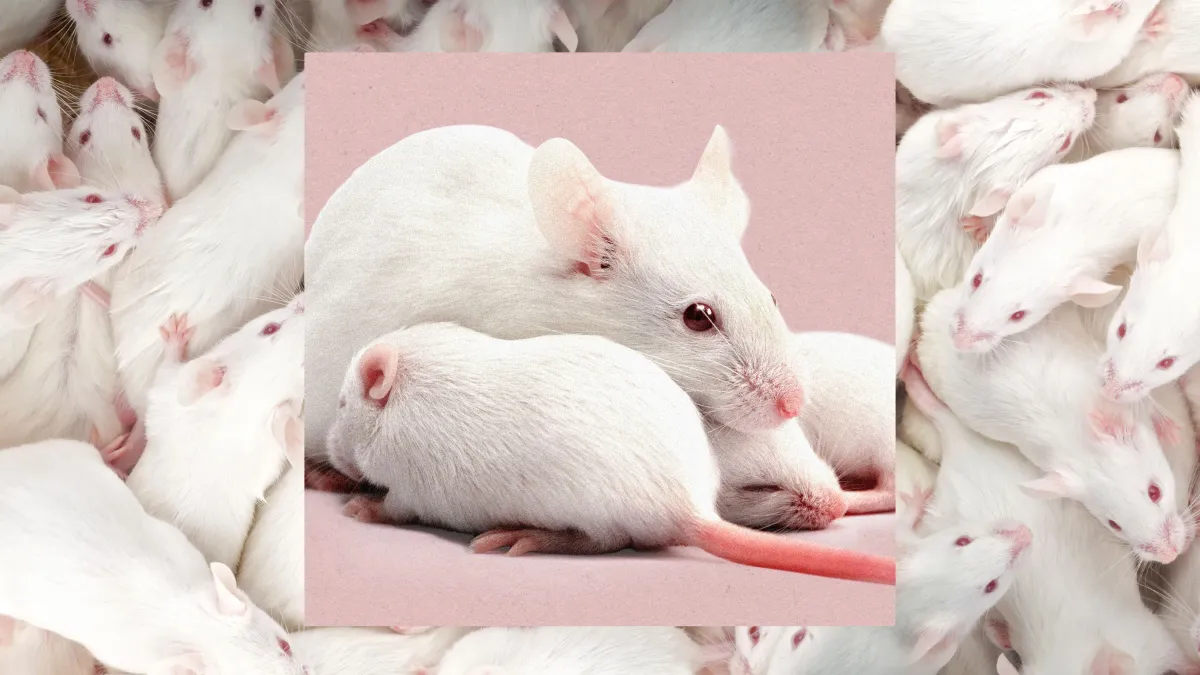
In a move that sounds straight out of a particularly ambitious sci-fi plot, Japanese scientists have successfully created female clones from male mouse cells. Apparently, the Y chromosome is more of a suggestion than a rule now.
This isn't just about playing genetic dress-up. Researchers used a CRISPR-based method to essentially snip out the Y chromosome from male mouse embryos, turning them into XX-ish females. "No one has done this before," noted reproductive biologist Monika Ward, who wasn't involved in the study but probably wishes she had been.
Rewriting the Reproductive Rulebook
Takashi Ishiuchi, who co-led the work, thinks this could blow open our traditional understanding of reproduction. For centuries, the scientific consensus has been that you need both a male and a female. Ishiuchi and his colleague Shogo Matoba are here to challenge that quaint notion.
We're a new kind of news feed.
Regular news is designed to drain you. We're a non-profit built to restore you. Every story we publish is scored for impact, progress, and hope.
Start Your News DetoxTheir findings, currently in a preprint paper on bioRxiv (so, not yet peer-reviewed, but still making waves), could be a game-changer for endangered species. Imagine a world where only male individuals of a species remain. Normally, that's a one-way ticket to extinction. But what if you could just... make some of them female? Ben Novak, lead scientist at Revive & Restore, called it "exciting to see" and sees huge potential for conservation.
This whole idea was sparked by the Okinawa rubble goby, a fish that can famously switch sexes when needed. No males around? Some females step up to the plate and become male. Or vice-versa. Because apparently, fluidity isn't just for human identities anymore.
The Y-CUT Technique: A Genetic Snip
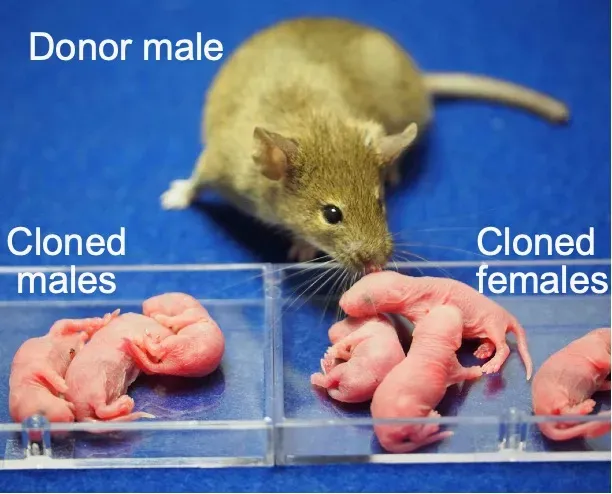
Ishiuchi's team developed a CRISPR-based tool they charmingly call Y-CUT. This tool targets a specific part of the Y chromosome that's crucial for cell division. When applied to early mouse embryos, poof — the Y chromosome was gone. These treated embryos, originally XY, became XO (one X, no Y) and developed into healthy, fertile female pups after being transferred to surrogate mothers. A "sex reversal," they call it. We call it wildly impressive.
In a follow-up experiment, they used Y-CUT to create female clones directly from male mice. Standard cloning usually means taking DNA from an adult, putting it into an empty egg, and growing a genetically identical individual. But cloning a male usually just gives you more males. Not ideal if you're trying to boost genetic diversity when only a few males are left.
Matoba confirmed that these new females are genetically identical to the original male, just... without the Y. Ishiuchi summed it up perfectly: it's "like sci-fi."
Even better, they managed to create female clones from male cells that had been frozen. This opens the door for "frozen zoos," where cryopreserved cells from endangered species could one day be used to create both male and female offspring. Because nothing says future like a genetic rescue mission.
The Future of... Everything?
Of course, there are caveats. Y-CUT still needs egg cells, ideally from a closely related species. And while XO female mice are fertile, other mammals might not be so lucky. But this isn't the only trick up science's sleeve.
Last year, another team showed they could turn male mouse cells into egg cells, leading to mice with two biological fathers. Combine that with Y-CUT, and you've got a whole new reproductive toolkit. And if you need males from an all-female population? Other techniques are being explored for that too.
This isn't just about cute mice or even just endangered ferrets (though a male clone of a black-footed ferret, a species brought back from the brink, would be "desirable" for breeding). It's about fundamentally rethinking what's possible in biology. Which, if you think about it, is both impressive and slightly terrifying.