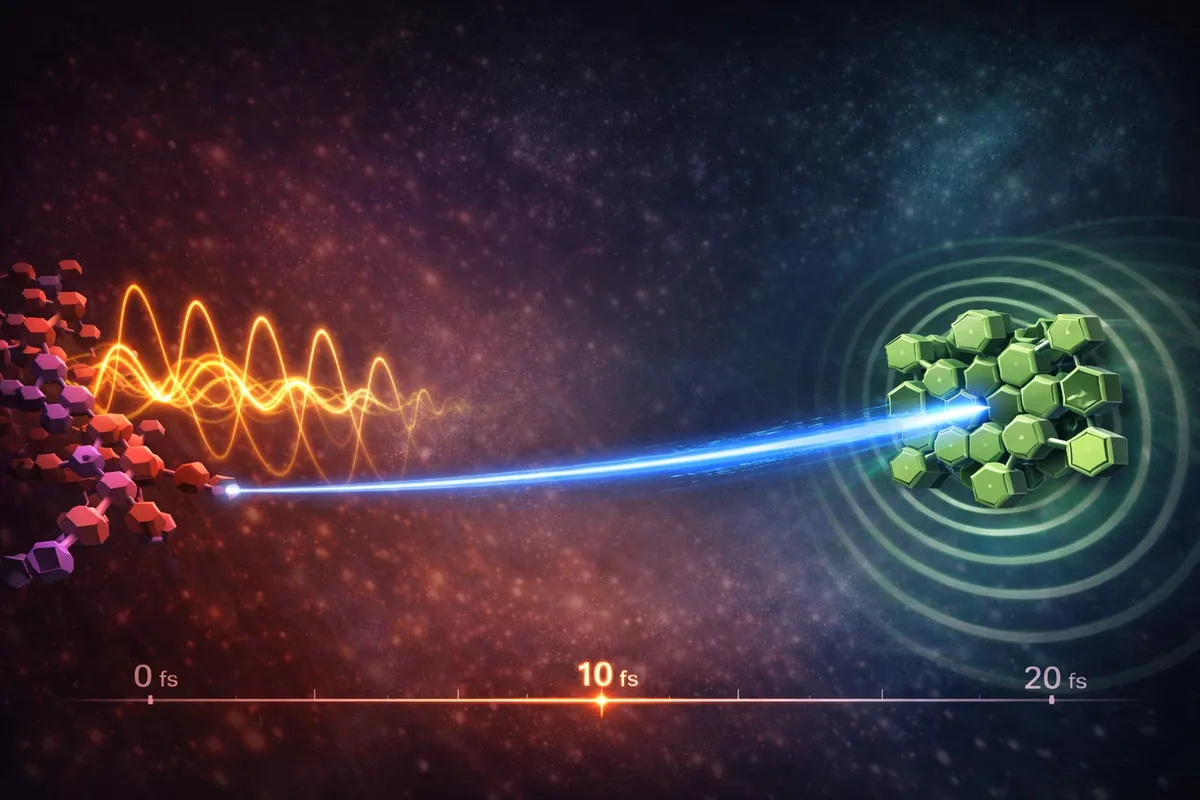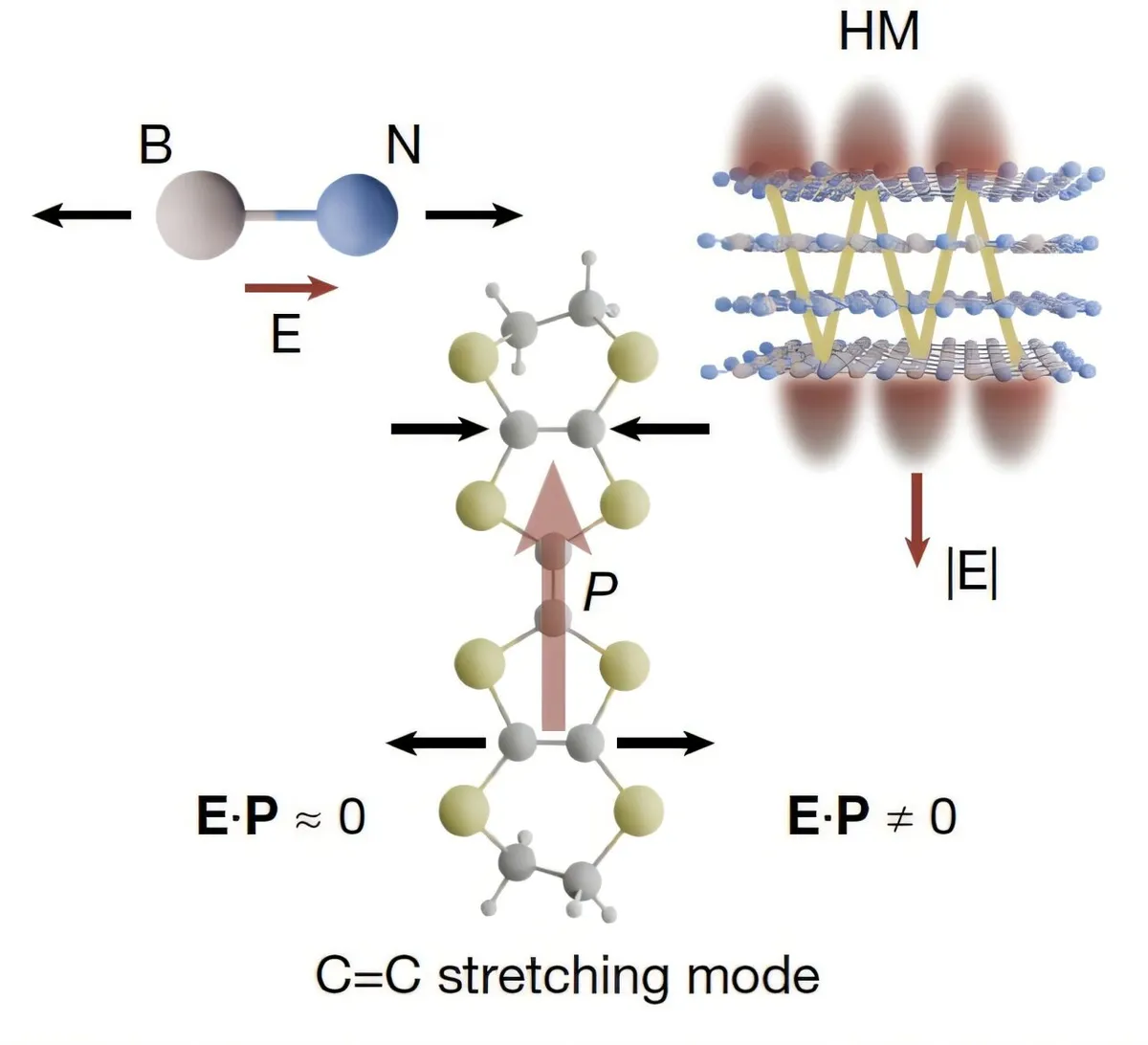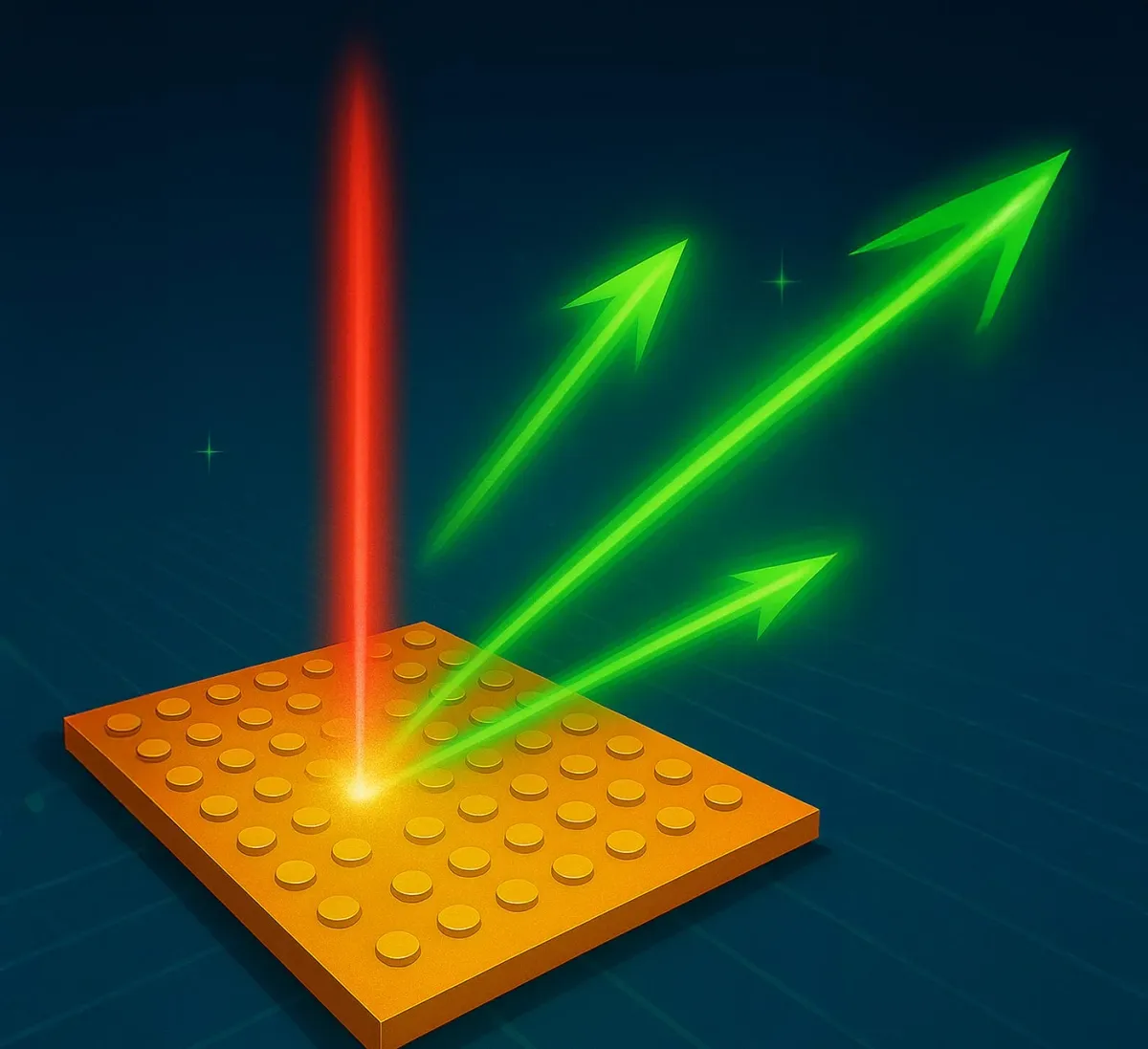
Physicists have made light behave like electrons in a quantum Hall effect—a phenomenon that won three Nobel Prizes and has remained stubbornly exclusive to charged particles. This breakthrough means photons can now be manipulated in ways long thought impossible, with real applications in measurement science and quantum computing already on the horizon.
To understand why this matters, you need to know what the quantum Hall effect actually does. It started simply enough in the 1880s: when you run electricity through a material with a magnetic field perpendicular to the current, a voltage appears sideways across the material. Useful for measuring magnetic fields, but nothing exotic.
Then in the 1980s, physicists noticed something strange. When they cooled ultra-thin conductors to near absolute zero and cranked up the magnetic field, that sideways voltage didn't increase gradually. Instead, it jumped in sharply defined steps—plateaus where the voltage stayed perfectly flat. Even stranger: these plateaus were universal. They didn't depend on what material you used, how thick it was, or even if you scratched it. They only depended on fundamental constants of nature—the electron charge and Planck's constant. The discovery was so significant it spawned three separate Nobel Prizes across three decades.
We're a new kind of news feed.
Regular news is designed to drain you. We're a non-profit built to restore you. Every story we publish is scored for impact, progress, and hope.
Start Your News DetoxBut here's the catch that stumped physicists for 40 years: the quantum Hall effect only worked with electrons. Electrons have electric charge, so they respond to electric and magnetic fields. Photons—particles of light—have no charge. They slip through those fields untouched. Making light obey quantum Hall rules seemed physically impossible.
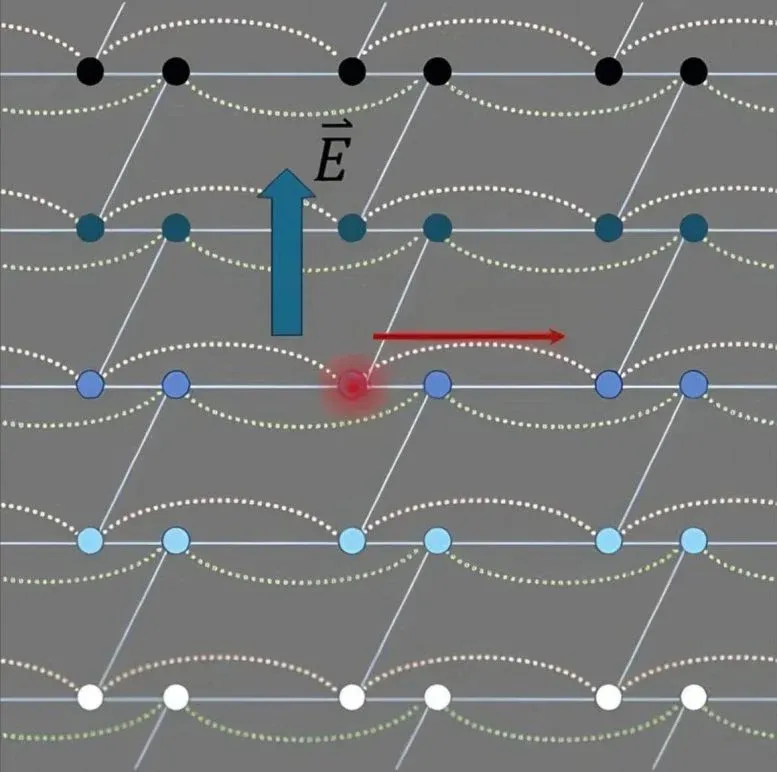
An international team has now done it anyway. They observed quantized sideways drift in light itself, with the results published in Physical Review X. Philippe St-Jean, a physicist at Université de Montréal and one of the lead researchers, describes it plainly: "Light drifts in a quantized manner, following universal steps analogous to those seen with electrons under strong magnetic fields."
Why This Changes How We Measure Reality
The practical payoff starts with something you probably take for granted: the kilogram. Since 2019, it's been defined not by a physical artifact sitting in a vault in France, but by fundamental constants of nature. That definition depends on the quantum Hall effect—specifically, on those perfectly universal plateaus that give us a rock-solid standard for electrical resistance. Every country in the world now uses that same standard, meaning every kilogram is identical everywhere.
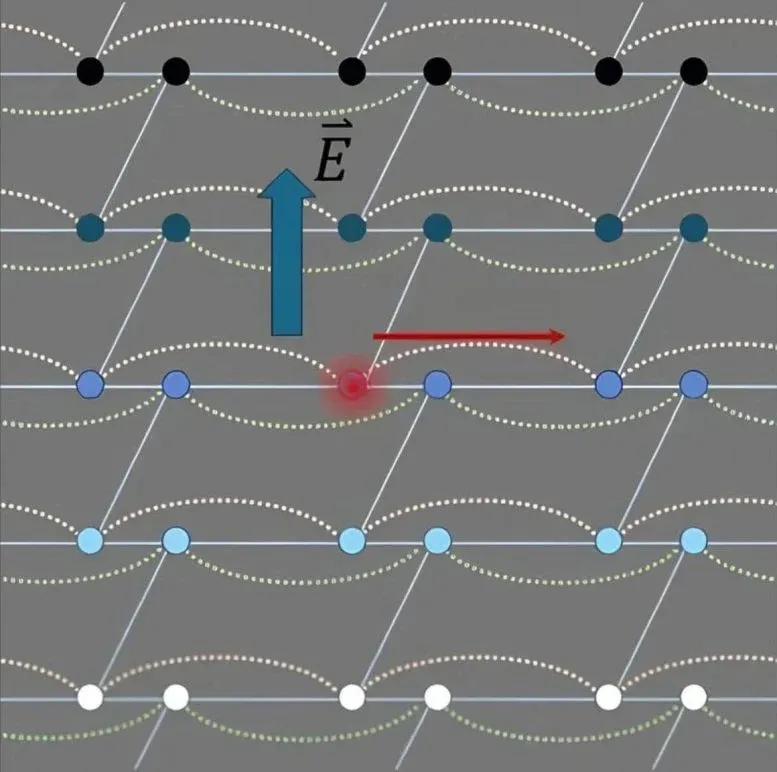
Now imagine doing that with light instead of electrons. Optical systems could become universal measurement standards that are more stable, more portable, or more precise than what we have now. In metrology—the science of precision measurement—that's genuinely transformative. It means the tools we use to calibrate everything from medical devices to industrial equipment could get fundamentally better.
But the real intrigue lies deeper. St-Jean suggests the ability to control light flow in quantized steps opens doors in quantum information processing and quantum photonic computers—machines that could be more resilient to errors than current designs. There's even a sensor application hiding in the details: small deviations from perfect quantization could reveal environmental disturbances, potentially enabling sensors of extreme sensitivity.
The experiment was brutally difficult to pull off. Unlike electrons, which settle into stable states, light is inherently restless—always wanting to dissipate, scatter, escape. The team had to develop sophisticated engineering to keep photons precisely controlled and stable long enough to observe the quantized drift. That technical achievement itself opens new possibilities for designing photonic devices that could process information in entirely new ways.
What's next is the hard part: moving from proof-of-concept to practical technology. But for the first time, we know the path is real.