Scientists have found fossils that show complex animals existed millions of years before the Cambrian explosion. This discovery changes what we know about the timeline of life on Earth.
These fossils reveal a strange and diverse ancient ecosystem. Early versions of modern animals were already evolving there.
Ancient Fossils Rewrite Life's Timeline
A new fossil site in southwest China is changing how scientists understand the first appearance of complex animal life. The discovery shows that many major animal groups had already evolved before the Cambrian Period. This research was led by scientists from Oxford University and Yunnan University in China. It was published in Science.
We're a new kind of news feed.
Regular news is designed to drain you. We're a non-profit built to restore you. Every story we publish is scored for impact, progress, and hope.
Start Your News DetoxFor many years, scientists thought the rapid increase in animal diversity and complexity, called the Cambrian explosion, began about 535 million years ago. This event was seen as the point when simple organisms became more complex. However, the new findings push this timeline back by at least four million years. This means many complex animals emerged in the late Ediacaran period.
Dr. Gaorong Li, a lead author, said this discovery fills a big gap in the early stages of animal diversification. He noted that complex animals, usually found only in the Cambrian, were present in the Ediacaran period. This means they evolved much earlier than previous fossil evidence showed.
Jiangchuan Biota Reveals Early Animal Diversity
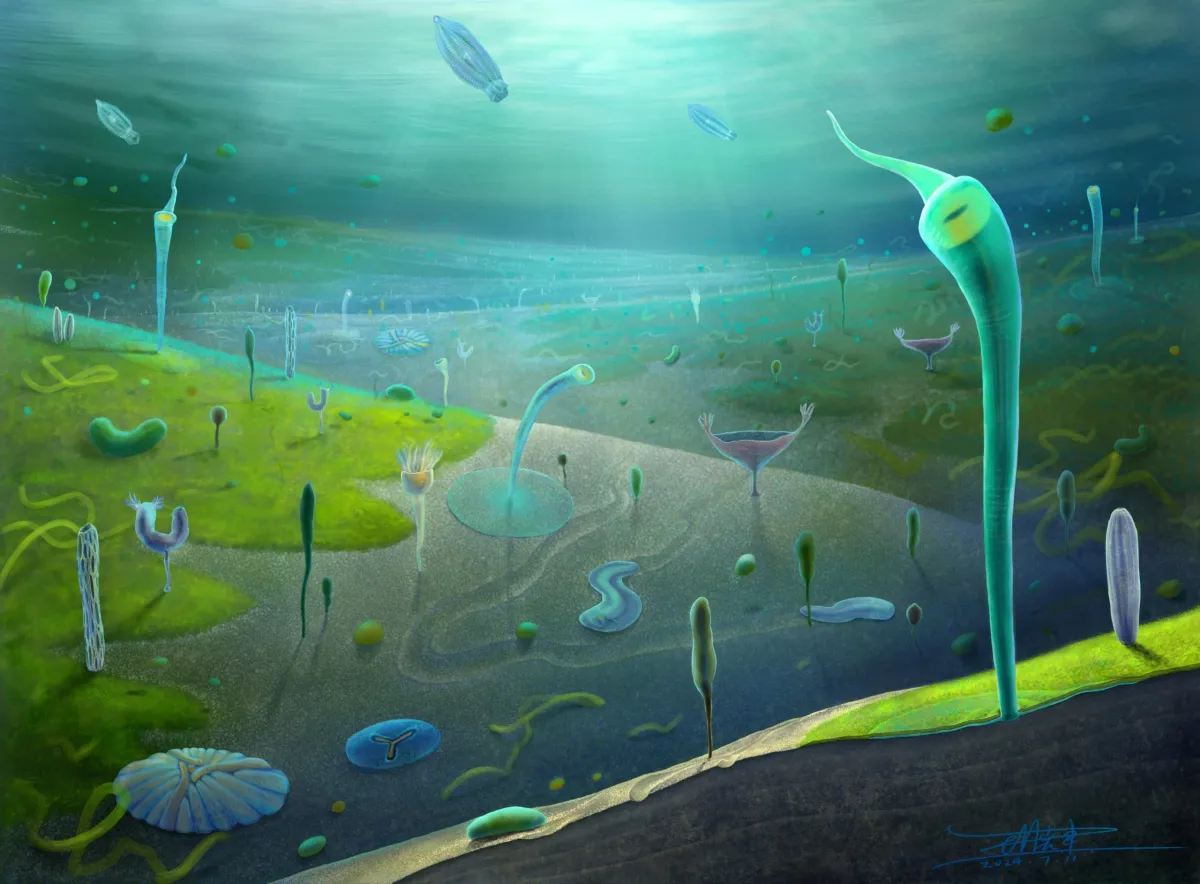
The fossils come from the Jiangchuan Biota in Yunnan Province. Researchers found over 700 specimens dating from 554 to 539 million years ago. The site contains a rich mix of Ediacaran life. This includes entirely new species and organisms previously thought to appear only in the Cambrian.
One key discovery is evidence of early deuterostomes. This is a major group that includes modern vertebrates like humans and fish. These fossils are the oldest known relatives of this group. They extend its fossil record back into the Ediacaran Period for the first time.
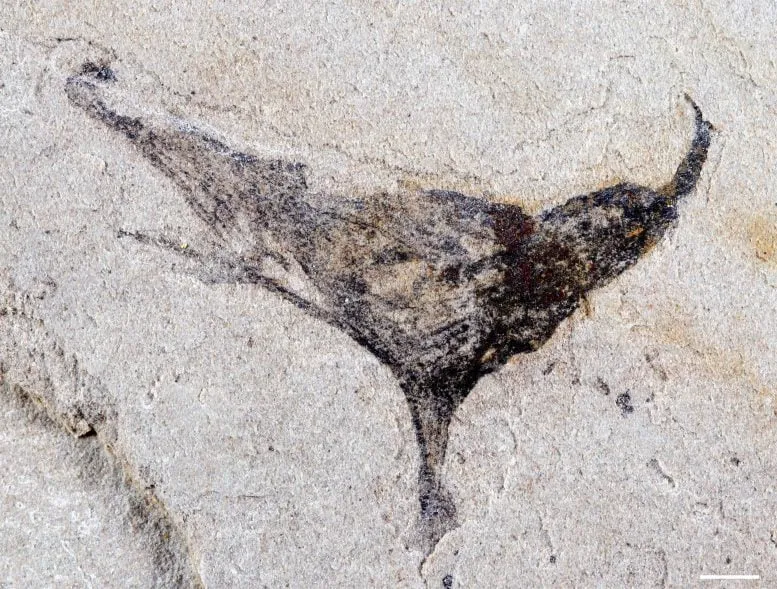
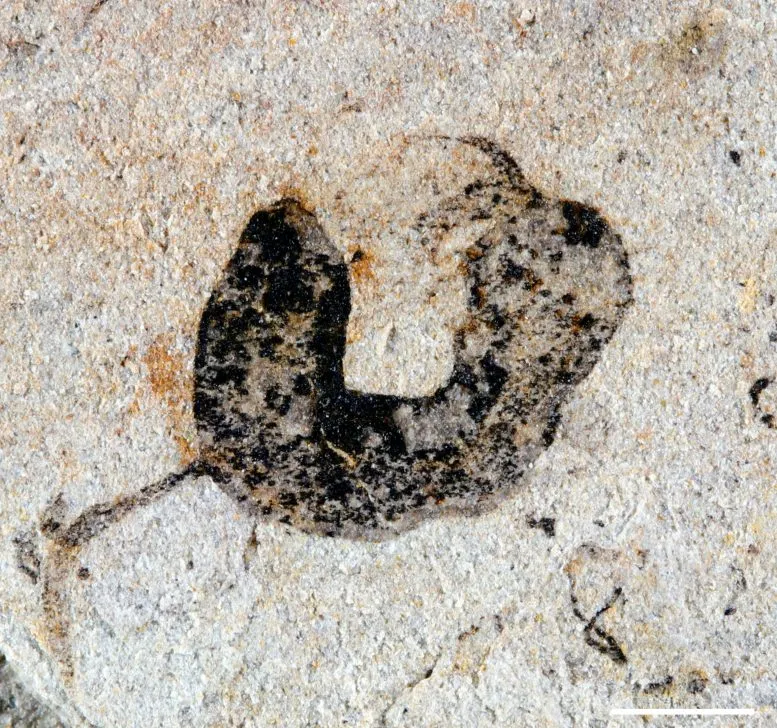
Among the specimens are early relatives of starfish and acorn worms (Ambulacraria). These creatures had U-shaped bodies and were attached to the seafloor by a stalk. They used tentacles near their heads to catch food.
Dr. Frankie Dunn, a co-author, said finding these ambulacrarians in the Ediacaran period is very exciting. She added that they have found distant relatives of starfish and sea cucumbers. The discovery of ambulacrarian fossils also means that chordates, animals with a backbone, must have existed at this time.
Strange Early Creatures and Transitional Life Forms
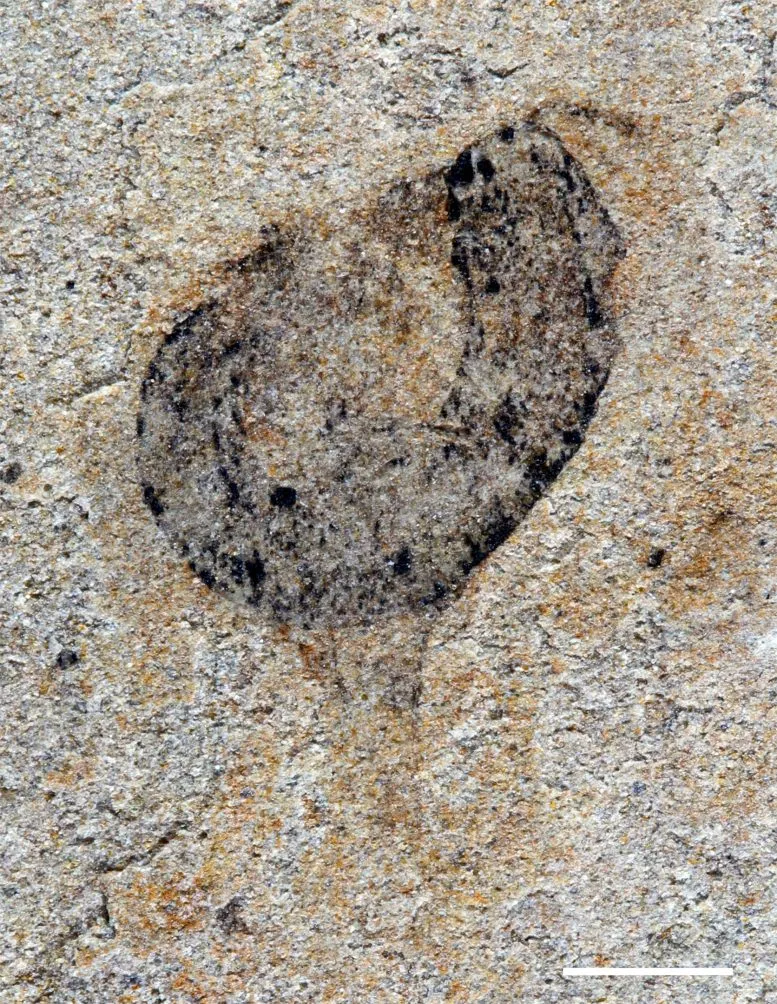
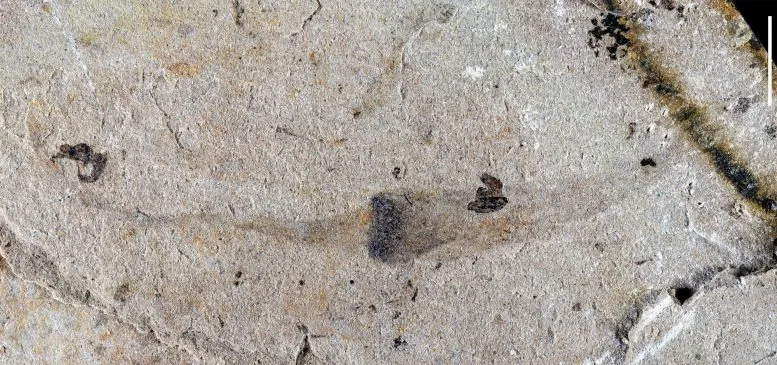
The fossil collection also includes worm-like bilaterian animals. These animals have bilateral symmetry. Some show advanced ways of feeding. There are also rare specimens believed to be early comb jellies.
Many fossils show unusual combinations of features. These include tentacles, stalks, attachment discs, and feeding structures that could turn inside out. These forms do not match any known species from either the Ediacaran or Cambrian periods. Dr. Dunn noted that one specimen looks a lot like the sand worm from Dune.
Associate Professor Luke Parry, a co-author, called this discovery extremely exciting. He said it reveals a transitional community. It shows the strange world of the Ediacaran giving way to the Cambrian. Animals in the Cambrian are much easier to place into groups alive today.
Filling a Major Gap in Evolutionary History
These findings help solve a long-standing mystery in evolutionary biology. Genetic studies and trace fossils have suggested for years that major animal groups evolved before the Cambrian explosion. However, clear fossil evidence of these animals was largely missing from Ediacaran rocks until now.
Exceptional Fossil Preservation Reveals Hidden Details
Most Ediacaran fossil sites preserve organisms as simple impressions in sandstone. In contrast, the Jiangchuan Biota fossils are preserved as carbonaceous films. This type of preservation is more common in famous Cambrian sites like the Burgess Shale in Canada. This rare preservation allows scientists to see fine anatomical details. These include feeding structures, digestive systems, and features related to movement.
Associate Professor Ross Anderson, a co-author, said these results suggest that the absence of complex animal groups from other Ediacaran sites might be due to differences in preservation. It might not mean they were truly absent. Carbonaceous compressions like those at Jiangchuan are rare in rocks of this age. This means similar communities might simply not have been preserved elsewhere.
A Decade of Fieldwork Leads to Breakthrough
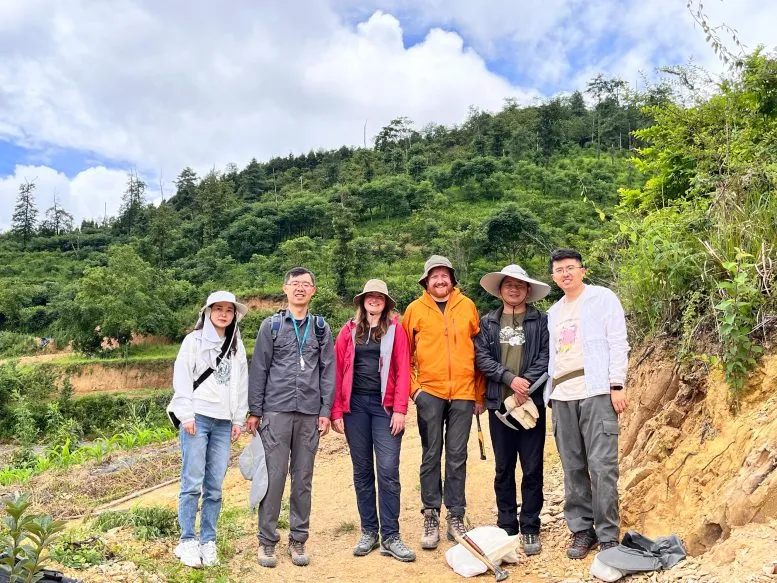
A Yunnan University research team, led by Professor Peiyun Cong and Associate Professor Fan Wei, discovered the fossils. They spent nearly ten years searching for diverse Ediacaran animal fossils. Rocks in eastern Yunnan were known to contain fossils, but earlier discoveries only showed algae, not animal remains.
Associate Professor Fan said that after years of fieldwork, they finally found several sites with the right conditions. These sites preserved animal fossils alongside abundant algae.
Professor Feng Tang from the Chinese Academy of Geological Science noted that the new fossils provide the strongest evidence for diverse bilaterian animals at the end of the Ediacaran. This is evidence people have searched for over decades.
Deep Dive & References
The dawn of the Phanerozoic: a transitional fauna from the late Ediacaran of Southwest China - Science, 2026