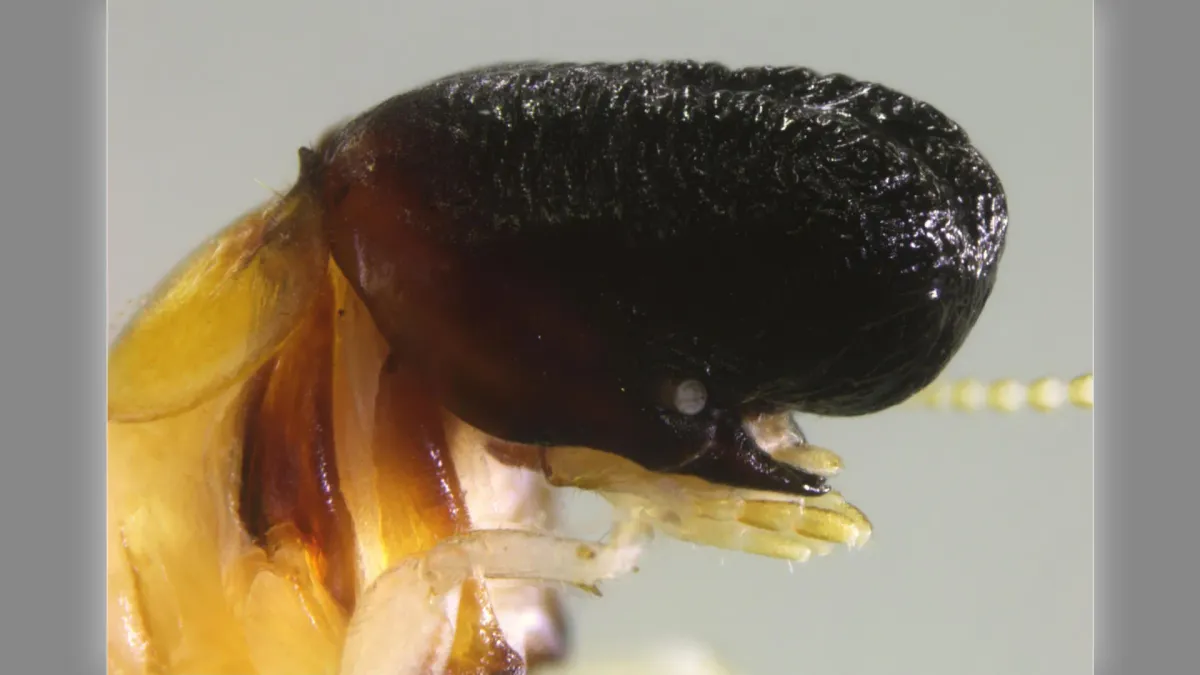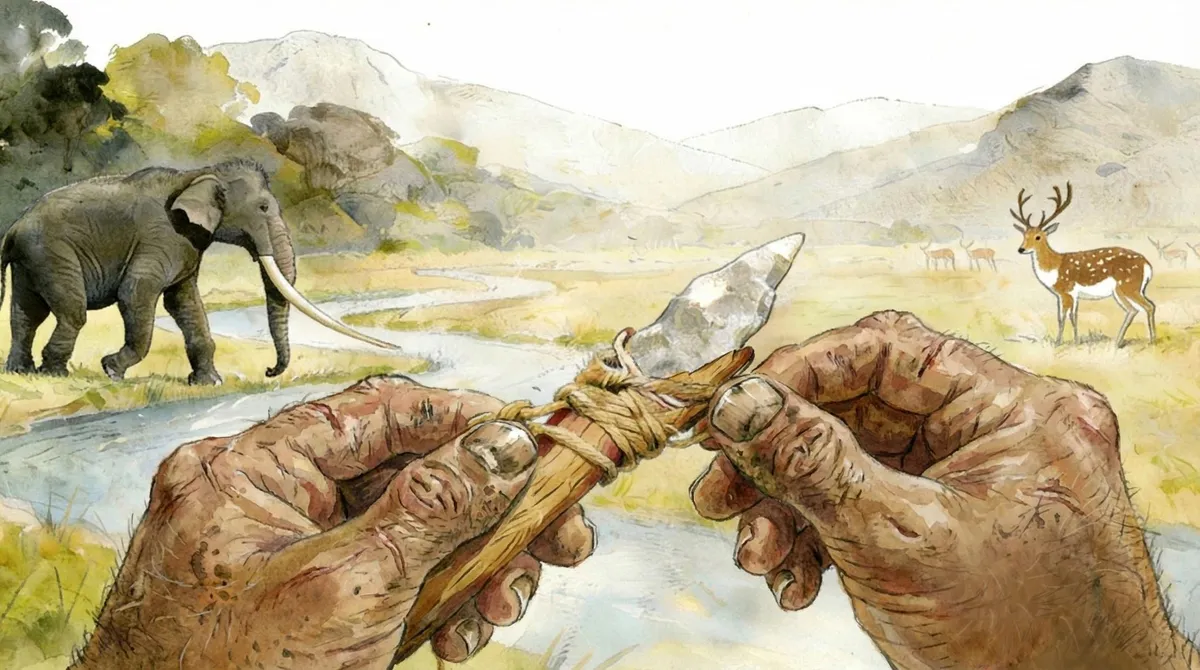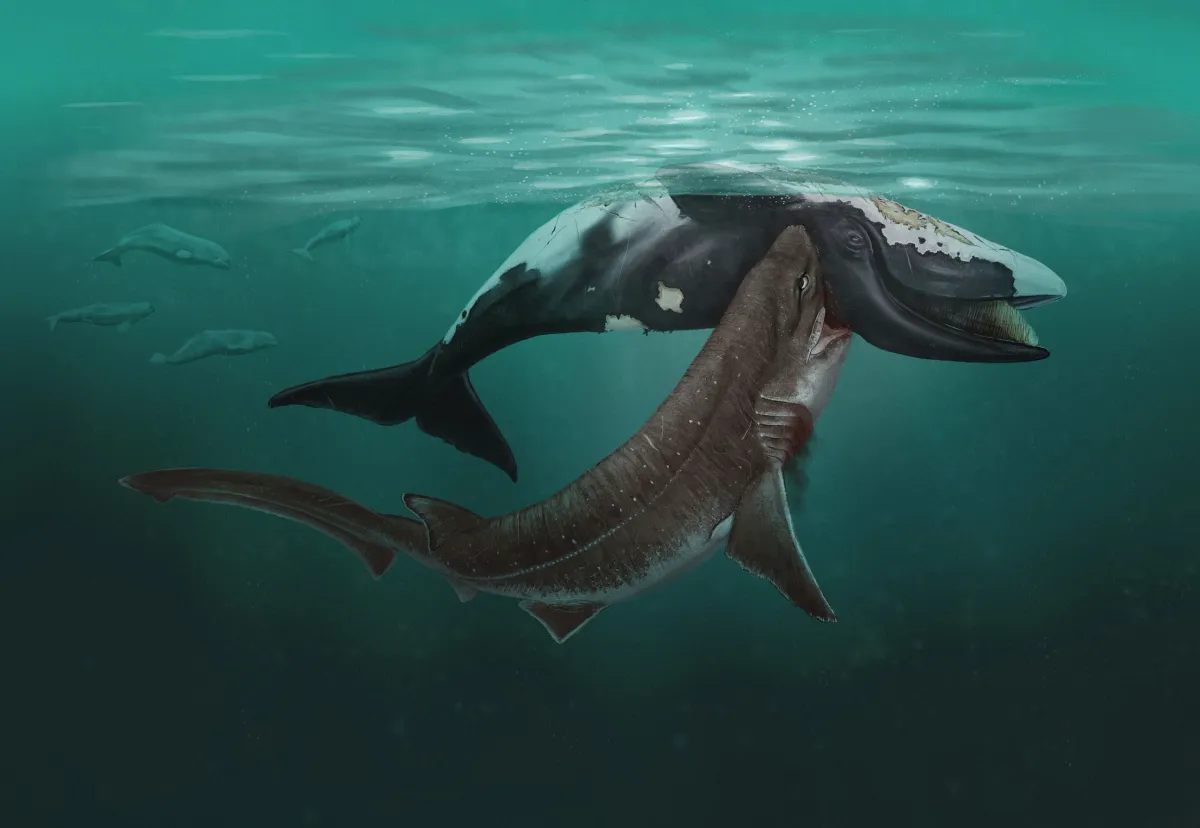
Shark teeth found in 5-million-year-old whale skulls offer direct proof of ancient feeding habits in the North Sea. Researchers discovered these shark tooth pieces lodged inside two fossilized whale skulls. This provides rare physical evidence of prehistoric feeding behavior in northern European waters.
The Royal Belgian Institute of Natural Sciences (RBINS) led this research. They used detailed CT scans to study the skulls. These scans showed broken shark teeth embedded in the whale bones. This helps scientists understand how these predators interacted with their prey.
Dr. Olivier Lambert, a paleontologist at the Institute of Natural Sciences, examined the fossils. He noted that new fossils are always informative because knowledge of past marine mammals in the North Sea is incomplete. He added that these skulls gave unexpected clues about how the whales died.
We're a new kind of news feed.
Regular news is designed to drain you. We're a non-profit built to restore you. Every story we publish is scored for impact, progress, and hope.
Start Your News DetoxAncient Discoveries in Belgium
The skulls are from the Early Pliocene period, about four to five million years ago. Both were found in Belgium. One skull belonged to a small, extinct right whale. Professor John Stewart, an evolutionary paleoecologist at Bournemouth University, found it in the 1980s. He was fossil hunting with his father in the Antwerp docks.
The second skull came from a monodontid, a relative of today’s beluga and narwhal. Fossil enthusiast Dr. Paul Gigase, a pathologist, found it with his son Pierre.
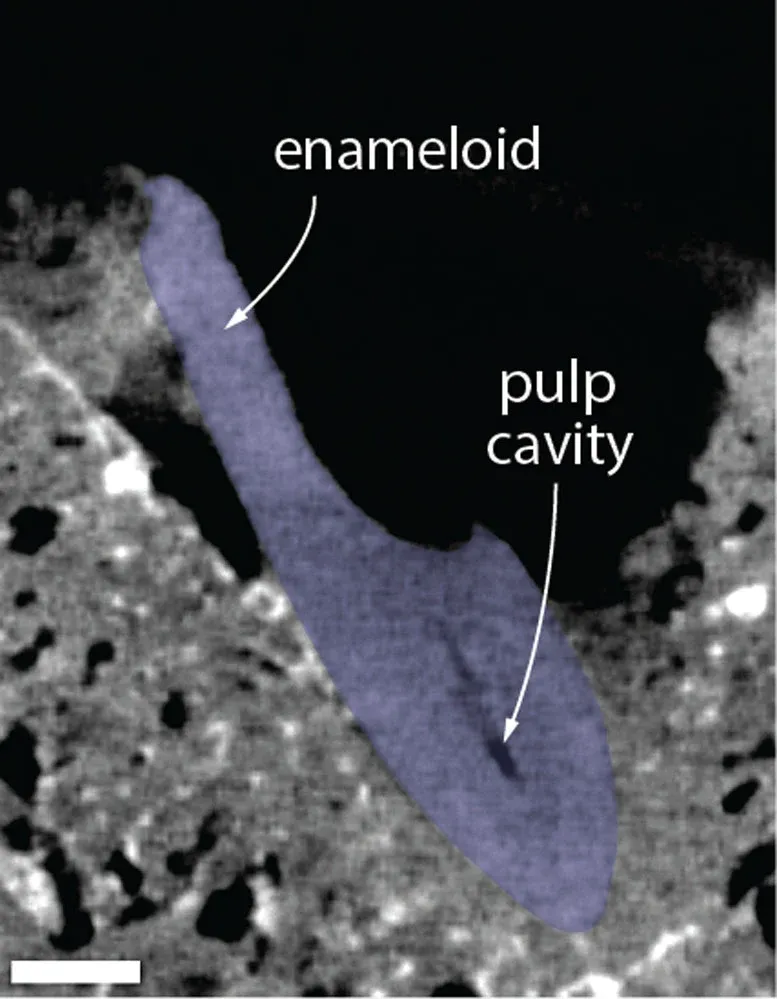
Decades after the first find, modern imaging technology revealed new details within the fossils. Lambert, the study's lead author, explained that CT scans showed the teeth's shape. This allowed shark identification without damaging the skulls.
The bite marks on the upper part of the right whale skull suggest the animal was likely already dead. The shark was scavenging its carcass, which was probably belly-up. This position is common for deceased whales.
One tooth fragment, from Professor Stewart’s specimen, came from a cow shark. The other belonged to a species related to the modern great white shark. Neither of these sharks, nor their close relatives, live in the southern North Sea today.
Prehistoric Predator-Prey Dynamics
These fossils offer a rare look at interactions between large marine predators and whales millions of years ago. This happened off the coast of Northern Europe.
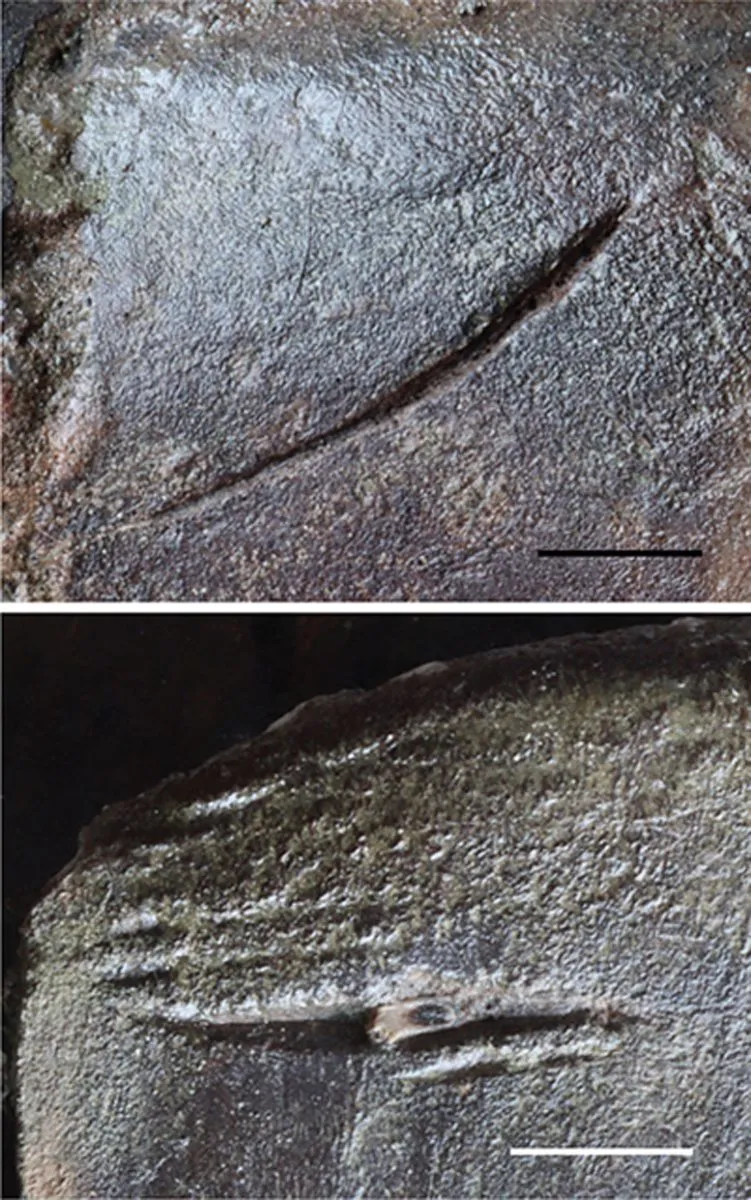
Professor Stewart noted that paleontologists often guess about interactions between species from this period. He said this study provides actual evidence, including bite marks and fragments from the predators.
Today, it might seem strange for whales and large predatory sharks to share Northern European waters. However, fossil evidence helps scientists imagine a time when these species lived together in the region.
Lambert said these whale skulls give a rare glimpse into the relationship between large predators and their prey five million years ago. These findings are a first step to understanding changes in prey availability in the southern North Sea. They also help explain the loss of large predatory sharks in this area.
He added that climate change is altering marine mammal distribution, including in the North Sea. This means predator distribution will likely change too. He wondered if great white sharks might return to the North Sea to feed on local seal populations.
Deep Dive & References
Evidence for different shark species feeding on a diminutive right whale and a relative of the beluga in the Early Pliocene of the southern North Sea - Acta Palaeontologica Polonica, 2026