Imagine a material that's been around since the 1940s suddenly getting a superpower. Scientists just reinvented barium titanate, a classic material, making it over ten times better at turning electricity into light. This isn't just a lab trick; it could seriously speed up quantum computers and slash the energy bills of massive data centers.
Barium titanate has always been good at linking electricity and light. It's like a tiny translator, converting electrical zaps into light signals. But for decades, it was overshadowed by other materials that were easier to work with, even if they weren't as powerful. Now, researchers at Penn State found a clever way to change its structure at a super tiny scale, making it perform like never before.
A Secret Weapon for Quantum and AI
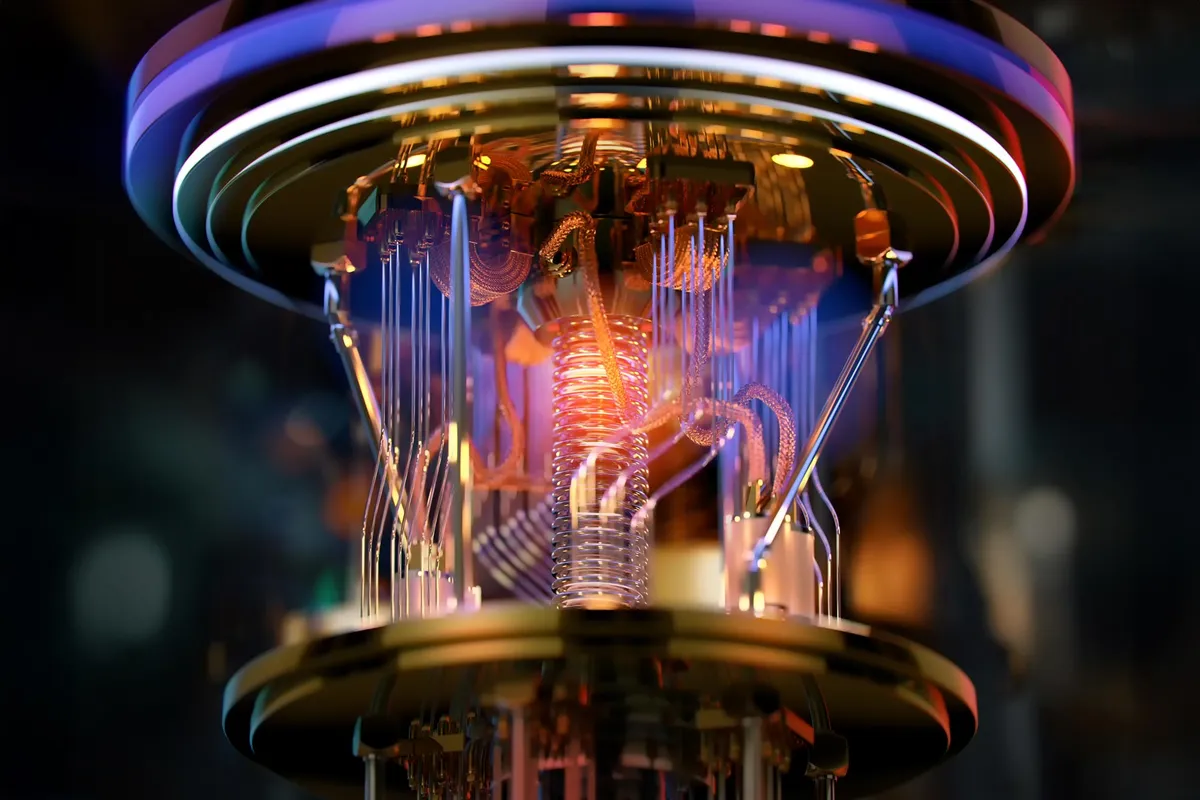
This souped-up material really shines at super-cold temperatures, which is exactly what quantum computers need. For quantum networks to talk to each other across long distances, their information needs to become light and travel through fiber optics. This new barium titanate could be the key.
We're a new kind of news feed.
Regular news is designed to drain you. We're a non-profit built to restore you. Every story we publish is scored for impact, progress, and hope.
Start Your News DetoxBut it's not just quantum. Think about the huge data centers powering AI and all our online lives. They use a ton of energy, mostly for cooling. If they could send information using light instead of electricity in wires, they'd generate way less heat. That means less cooling needed, saving massive amounts of energy. Aiden Ross, one of the lead researchers, says that using light (photons) instead of electrons means you can send way more information at once without anything overheating. That's a pretty big deal for companies with giant data centers.
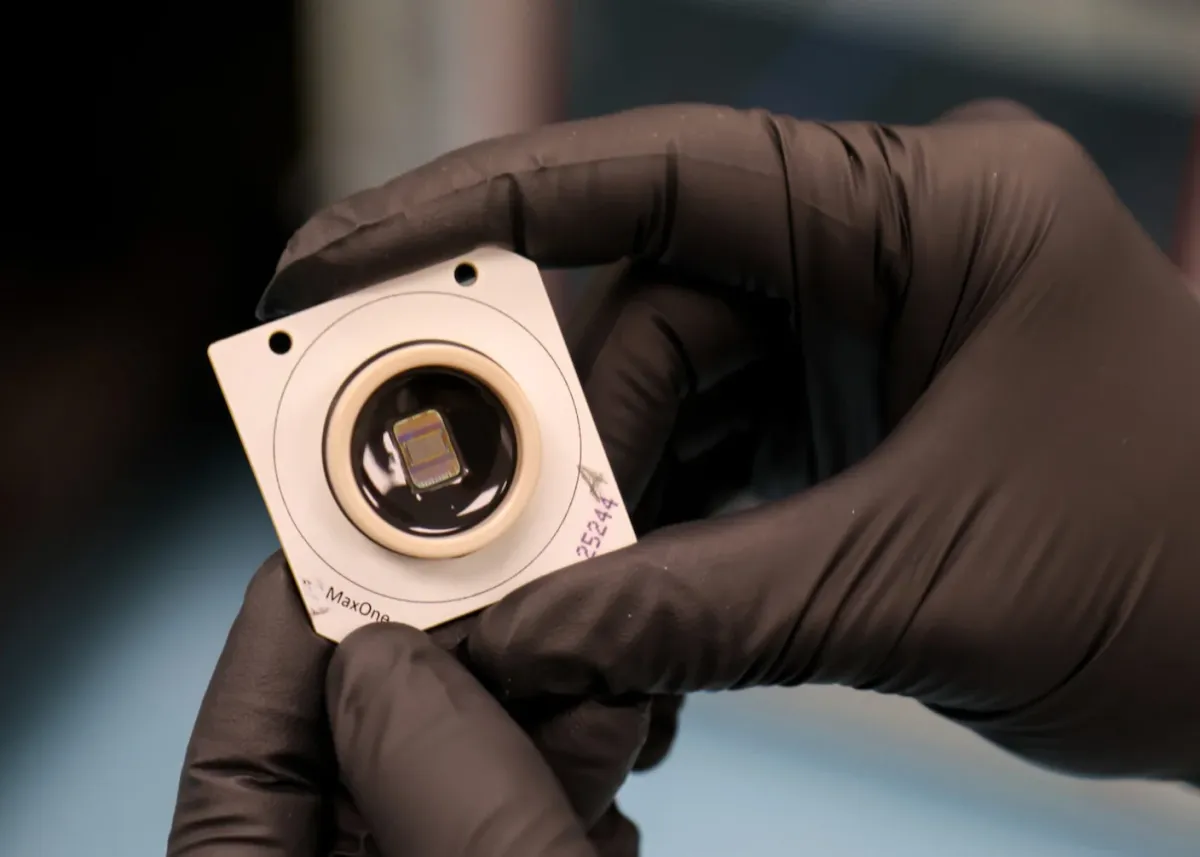
To pull this off, the team made barium titanate films incredibly thin – about 40 nanometers. That's thousands of times thinner than a single human hair. They grew this film on another crystal, which basically forced the atoms into a new, unstable arrangement. It's like balancing a ball on top of a hill instead of letting it roll to the bottom. This "metastable phase" gave the material properties it never had before.
Normally, barium titanate loses its spark at low temperatures. But this new, unstable version not only kept its performance, it boosted it dramatically. Sankalpa Hazra, another co-lead author, thinks this thin-film trick could work for lots of other materials too. Imagine what other old materials could learn new tricks!
This could solve a huge problem in quantum computing: how to connect individual quantum machines into a network. Right now, they use microwave signals that can't travel far. But with this new material, quantum information could be converted into light – just like the internet in your home – and travel long distances through fiber optic cables. It's like giving quantum computers a super-fast internet connection.