Get this: scientists just found a new fossil ape in northern Egypt, and it's completely flipping the script on where humans and other apes actually came from. For decades, everyone thought East Africa was the place to look, but this new discovery points way north.
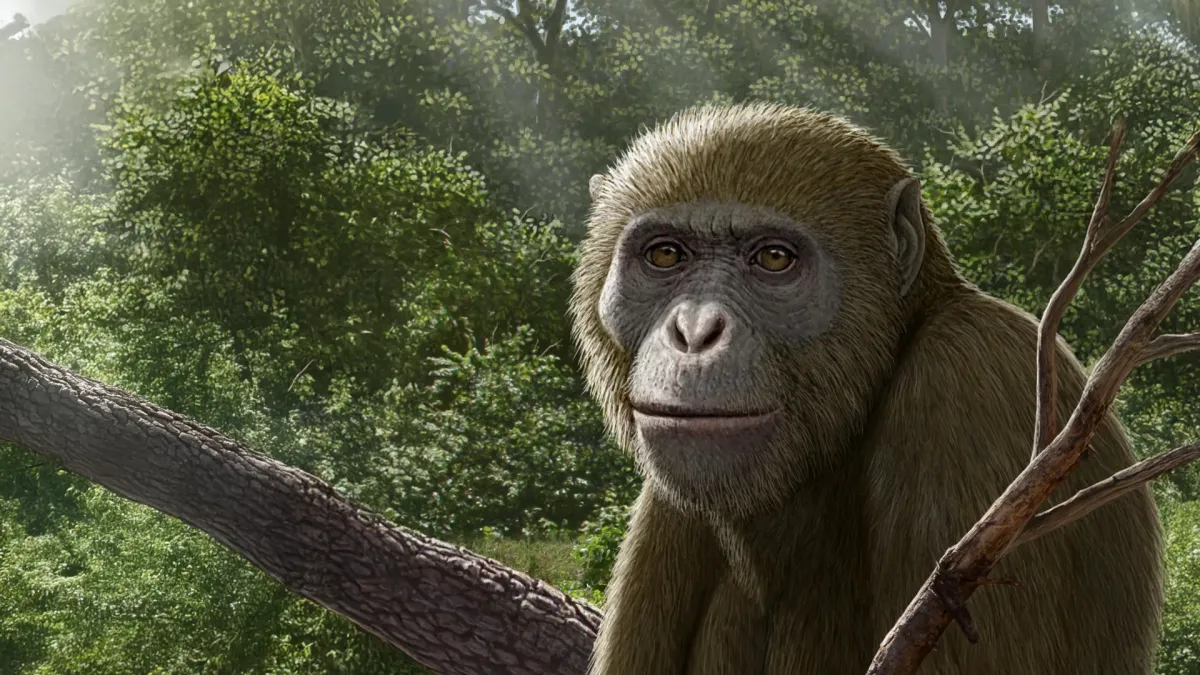
The fossil is about 17 to 18 million years old. That's seriously ancient. It belongs to a brand-new species called Masripithecus, and researchers think it's super close to the common ancestor of all modern apes—yes, that includes us.
Shorouq Al-Ashqar and her team dug up this tiny fossil in the Wadi Moghra region of northern Egypt. The Masripithecus moghraensis find is a big deal because it shows how diverse apes were during a crucial time. Back then, Afro-Arabia and Eurasia were linking up, letting species spread out everywhere.
We're a new kind of news feed.
Regular news is designed to drain you. We're a non-profit built to restore you. Every story we publish is scored for impact, progress, and hope.
Start Your News DetoxTo figure out where Masripithecus fits into our story, the team used a clever method called Bayesian "tip-dating." This basically mashes up physical traits with how old fossils are. It helps them map out who's related to whom and when new species branched off. The results? Masripithecus is an early ape, right there at the root of the family tree that led to every modern ape we know.
So, what does this mean? It means modern apes might have actually started out in northern Afro-Arabia, or maybe even the eastern Mediterranean. It's a pretty wild idea, and it shows we've still got so much to learn about our own deep past. It's like finding a missing piece to a puzzle you thought you'd already solved.