For decades, chemists have struggled with a fundamental problem: how to build the tiny, tension-filled ring structures that form the backbone of many lifesaving drugs, including penicillin. These compact molecular frameworks are powerful—they can dramatically change how a drug behaves in the body—but they're notoriously difficult to assemble.
Now researchers at the University of Münster have cracked it. They've developed a light-driven method that builds these strained rings efficiently from simple, widely available starting materials. The technique is clever enough that it could reshape how pharmaceutical chemists approach drug design.
Why This Matters
Small ring structures, especially those made from three or four connected atoms, store enormous internal strain—like a bent branch about to snap back. That tension is actually useful. When released, it can trigger additional chemical reactions that help build more complex and valuable compounds. The problem is that making these rings has traditionally required harsh conditions: extreme heat, toxic chemicals, or reaction pathways so sensitive they fall apart if you add anything extra to the mix.
We're a new kind of news feed.
Regular news is designed to drain you. We're a non-profit built to restore you. Every story we publish is scored for impact, progress, and hope.
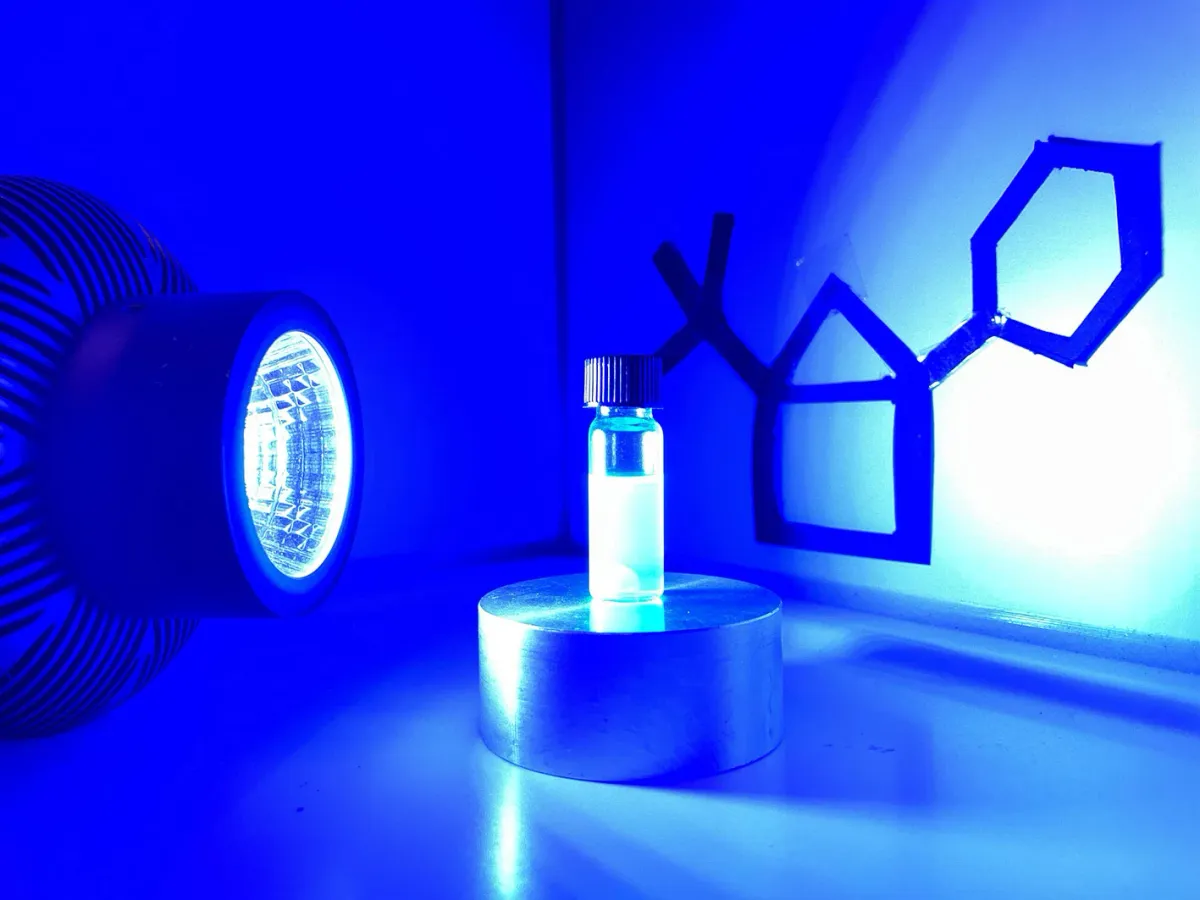
Start Your News DetoxThat's where the new approach wins. Researchers led by Frank Glorius discovered that by carefully adjusting the structure of their starting materials—hydrocarbons called 1,4-dienes—they could use light energy to guide the molecules into forming the desired ring shape. The key insight: light provides just enough energy to push the chemistry "uphill," in Glorius's words, without the collateral damage of traditional high-temperature methods.
The molecule they created has a shape that resembles a simple house sketch, so chemists call it "housane." It's a wild example of how solving one structural problem can open doors across chemistry—this technique doesn't just work for one drug, but for an entire class of molecular frameworks that were previously difficult to access.
What makes this particularly elegant is that the method tolerates additional atoms and chemical groups attached to the starting materials. Earlier approaches would reject these additions outright. Now, chemists have far more flexibility in what they can build.
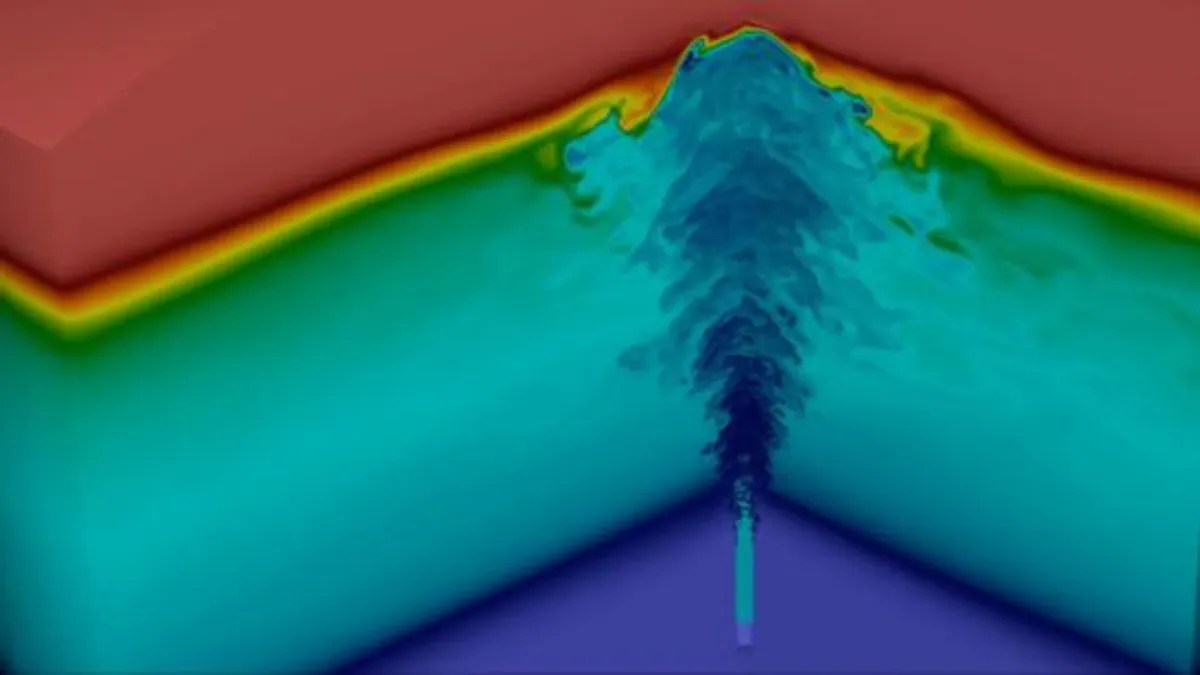
The team used computer modeling to map exactly how the light-driven reaction unfolds, which helps explain why the method works and points toward future refinements. The research appeared in Nature Synthesis in February 2026.
Next steps involve scaling this up for pharmaceutical manufacturing and exploring how the technique might enable entirely new materials we haven't been able to create before.