You've bought the plant. You've watered it. You've watched it slowly turn brown. If this cycle feels familiar, the problem probably isn't you—it's that you're treating every plant like it has the same needs.
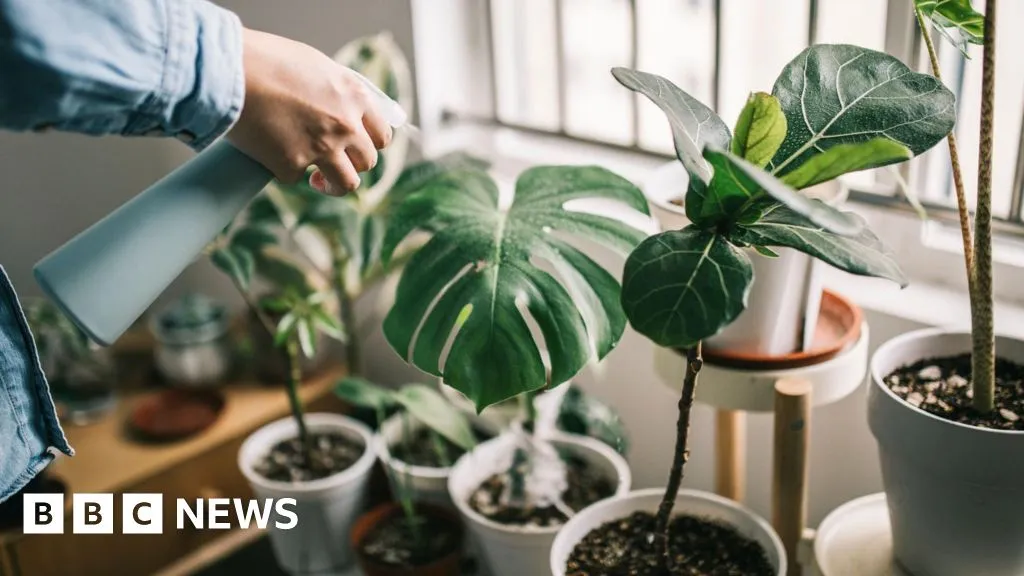
The first mistake most people make is choosing plants based on how they look in the shop, then hoping they'll adapt to whatever conditions their home offers. They won't. A monstera needs bright indirect light to actually thrive, not just survive. A peace lily is genuinely happiest in a warm, humid kitchen. Devil's ivy will handle your bathroom's moisture and low light without complaint. False castor oil plants are the rare houseplant that actually prefers shade. Match the plant to the room, not the other way around.
The Watering Question
Overwatering kills more houseplants than anything else—but here's the thing: different plants want different amounts. Peace lilies and spider plants will tell you when something's wrong by developing brown leaves, whether that means too much or too little water. Cacti and succulents are the opposite: they need barely anything, just an occasional mist. If you're genuinely unsure, a water mat or watering globe does the slow-release work for you, delivering moisture gradually rather than in one weekly deluge.
We're a new kind of news feed.
Regular news is designed to drain you. We're a non-profit built to restore you. Every story we publish is scored for impact, progress, and hope.
Start Your News DetoxIf you want plants that forgive neglect, cast iron plants, Hoya carnosas, and snake plants are nearly impossible to kill. They're so drought-tolerant that you can genuinely forget about them for weeks.
Seasons Change, So Should Your Care
Spring and summer are when plants actively grow. That's when they need regular watering and a monthly feed with plant food. Come autumn and winter, most plants slow down dramatically—they're not dying, they're just dormant. Cut back the watering. Skip the feeding entirely. Wait until spring to repot, when roots establish themselves more easily.
Poinsettias are the exception that demands specific attention. They're tropical plants that need warmth and hate drafts. Water only when soil is dry, feed monthly, and trim branches in April. The real trick: from September onward, move them somewhere dark for at least 12 hours a day. That darkness triggers the bracts to turn red for the next Christmas season. It feels oddly specific, but it works.
The shift from plant killer to plant keeper isn't about developing a green thumb—it's about paying attention to what each plant actually needs, then giving it that one thing consistently.