Three submerged cargo holds, discovered off Israel's coast, are rewriting what we know about trade between the 11th and 6th centuries BCE. For the first time, archaeologists have found direct physical evidence of what ancient Mediterranean merchants actually shipped—not reconstructed from scattered land artifacts, but preserved in the seabed itself.
The discovery happened in the Dor Lagoon, a sheltered inlet along the Carmel Coast that once served the port city of Dor. Researchers from UC San Diego and the University of Haifa, working together for nearly a decade, identified three separate cargo assemblages, each telling a different chapter of the city's fortune.
Trade, power, and the rise and fall of a port
The oldest cargo, dated to the 11th century BCE, contained storage jars and an anchor inscribed with Cypro-Minoan script—evidence that Dor was connected to Cyprus and Egypt. This was a thriving moment. The city sat at the crossroads of Egyptian, Phoenician, and later Assyrian and Babylonian trade networks, making it a natural hub for moving goods across the eastern Mediterranean.
We're a new kind of news feed.
Regular news is designed to drain you. We're a non-profit built to restore you. Every story we publish is scored for impact, progress, and hope.
Start Your News Detox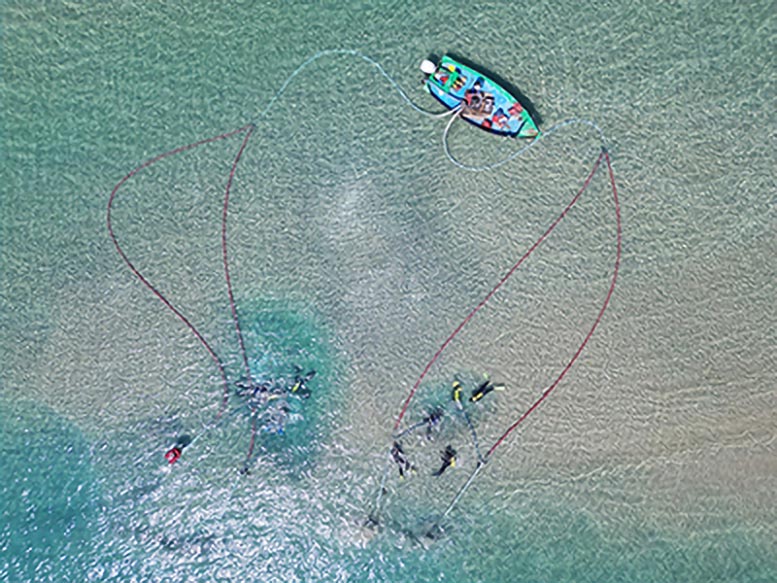
But power shifts quickly in the ancient world. By the late 9th century BCE, when a second cargo sank, Dor's reach had contracted. This shipload carried Phoenician jars and bowls, but notably lacked the Egyptian and Cypriot goods that had filled earlier holds. The pattern is clear: Dor's connectivity was fading as the city fell under Israelite control.
Then came a resurgence. The third and most intact cargo, from the late 7th or early 6th century BCE, reveals something remarkable: iron blooms and Cypriot-style amphorae, suggesting large-scale metal trade. Dor had become an industrial hub again, this time under Babylonian or Assyrian rule. The city's fortune had reversed.
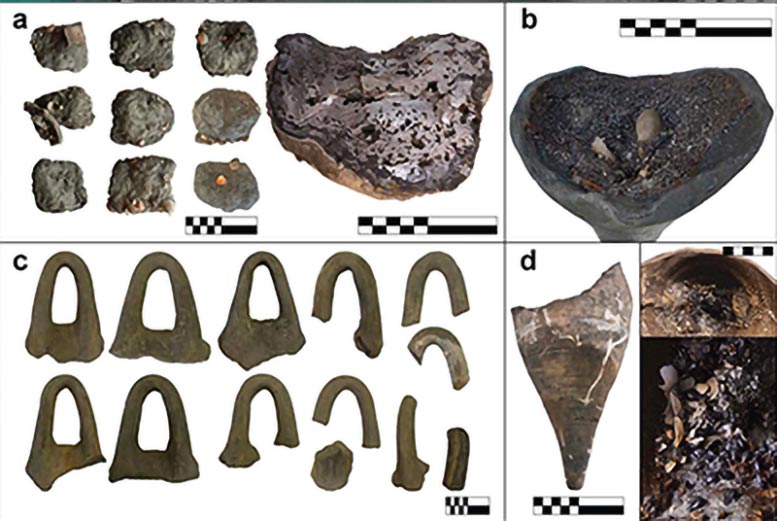
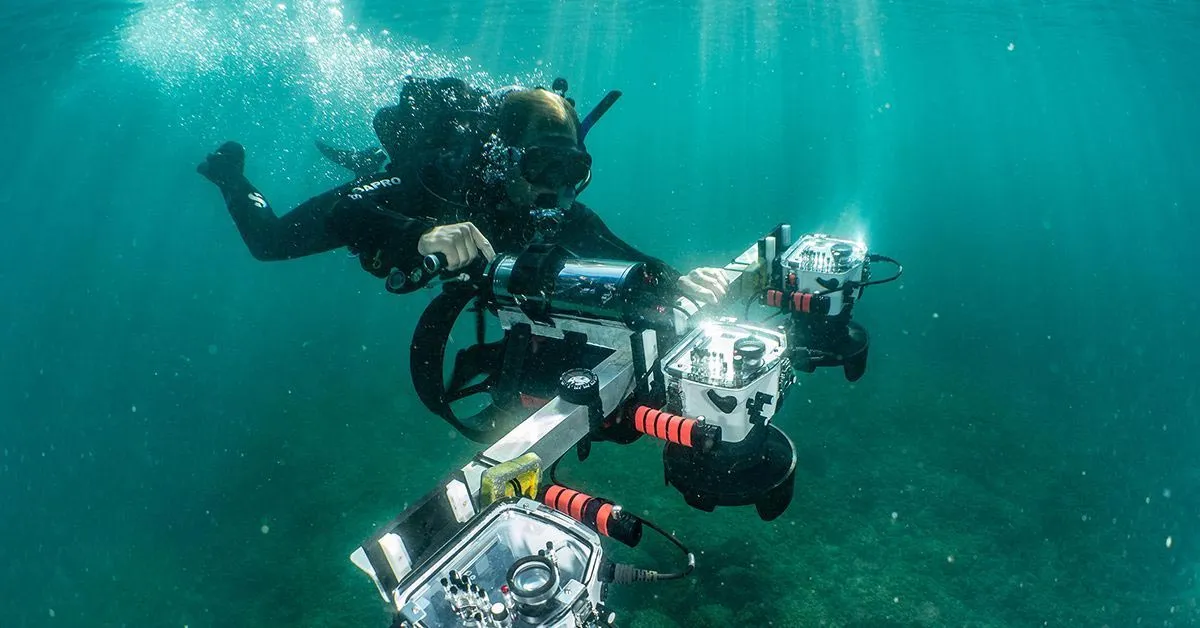
What makes these findings so significant is the precision they offer. Archaeologists recovered grape seeds, date pits, and inscribed anchors alongside the cargo vessels. By combining underwater excavation with cyber-archaeology methods—using digital imaging and analysis to reconstruct shipping patterns—the team could see not just what was traded, but how geopolitical tides shaped a single port city's rise and fall over five centuries.
Dor's story is the Mediterranean's story: a place where trade, politics, and survival were inseparable. The research, published in Antiquity, shows how a port could thrive under one empire, struggle under another, and flourish again when the winds of power shifted. It's a reminder that ancient connectivity was fragile, dependent on who held the reins.