Picture this: a vital organ, just removed from a donor, ticking down like a bomb. Surgeons usually have a scant few hours before it's no longer viable. Most organs are chilling (literally) on ice at 4 °C (39 °F) — any colder, and damaging ice crystals form. It's a race against the clock, and the clock usually wins.
But what if you could press pause?
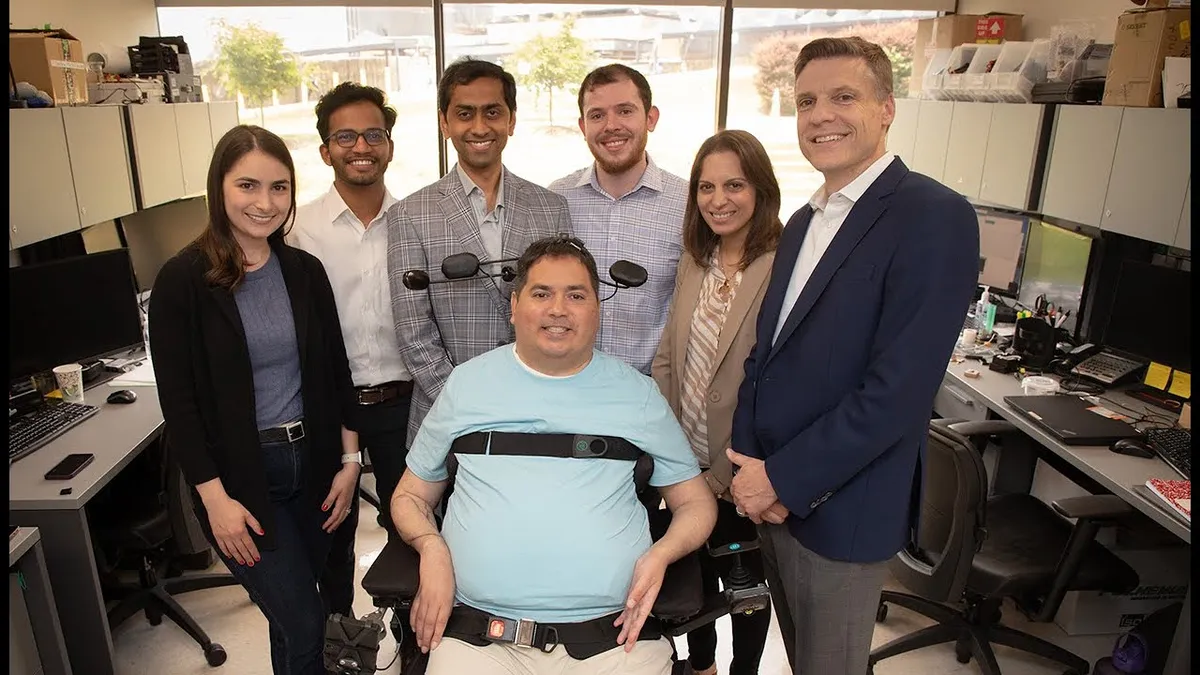
Enter Matthew Powell Palm and his team at Texas A&M. They've developed a device that can supercool kidneys to a remarkable -4 °C (25 °F) without a single ice crystal forming. And here's the kicker: no antifreeze chemicals needed, which means fewer potential side effects. This isn't just a slight improvement; it's a whole new ballgame.
The Coolest New Tech for Transplants
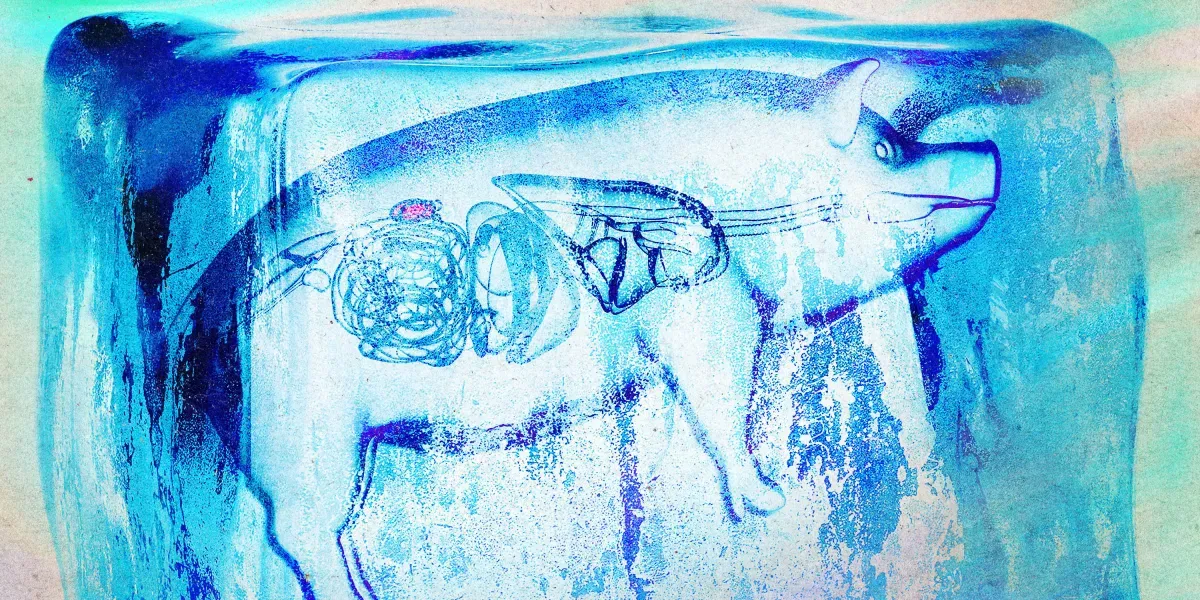
In a recent study, the team showed that pig kidneys could be stored in their supercooling device for days, not hours. After gently rewarming, these organs were successfully transplanted back into pigs. The supercooled kidneys didn't just survive; they seemed to work better than organs stored the old-fashioned way. Kevin Myer, president and CEO of LifeGift (who wasn't involved in the research), called it "a landmark achievement."
We're a new kind of news feed.
Regular news is designed to drain you. We're a non-profit built to restore you. Every story we publish is scored for impact, progress, and hope.
Start Your News DetoxWhy does this matter? Because the organ shortage is a crisis. Over 104,000 people in the US are waiting for a kidney, and roughly 17 die every single day on that list. Part of the problem is a lack of donors, but a significant chunk — about one in three donated kidneys — gets thrown away because they degrade too quickly. Current storage methods give about 24 hours, often not enough time to find a match and transport the organ.
Powell Palm, a thermodynamicist, took a different approach. His idea? Keep the organ submerged under constant pressure to prevent ice from forming below zero. His device is described as "low-tech high science" — a sealed chamber with a clear lid, a sensor to monitor temperature, and organs placed in a common preservation solution. Simple, yet profoundly clever.
Three Days Strong, and Counting
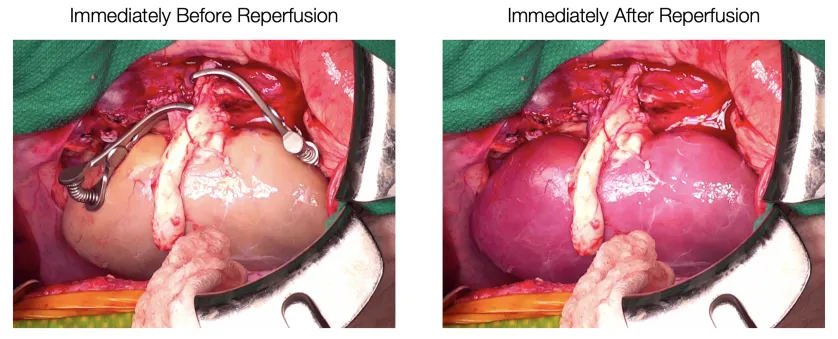
To test it, they took kidneys from pigs, flushed them (just like in human transplants), and then stored them. Some went on ice for two or 24 hours (the standard). Others went into the new device for 24, 48, or even 72 hours. Then, they transplanted them back into the donor pigs, removing the other kidney so the animal relied solely on the transplant.
The results were genuinely impressive. Kidneys supercooled for 24 hours immediately started producing urine — a critical sign of function. Within 10 days, they were working normally. While recovery was slower than kidneys stored for just two hours on ice, it was much faster than those stored for 24 hours on ice.
Even more astonishing, kidneys stored for 48 and 72 hours performed similarly. Powell Palm noted that even at three days — triple the usual storage time — recovery was faster than the decades-old standard. Heidi Yeh, a transplant surgeon at Mass General Brigham for Children, called these results "impressive," noting that other studies often see kidneys stored for 48 hours take one to two weeks to start working.
And the long-term? One pig was monitored for 200 days, and its transplanted kidney still looked healthy. The team presented these findings at the American Transplant Congress. The best part? The team thinks they can store organs for even longer, with preliminary studies showing organs healthy at 120 hours (though not yet transplanted).
This breakthrough, which doesn't use cryoprotective chemicals, could mean fast-tracked FDA approval. The storage device is also compact and transportable, already having carried supercooled kidneys across the US in a car — a pretty tough test for stability. Powell Palm and his colleague Sebastian Giwa are planning a company to develop this and other methods to "stop biological time." Because apparently, that's where we are now. And if that isn't worth telling someone about, what is?