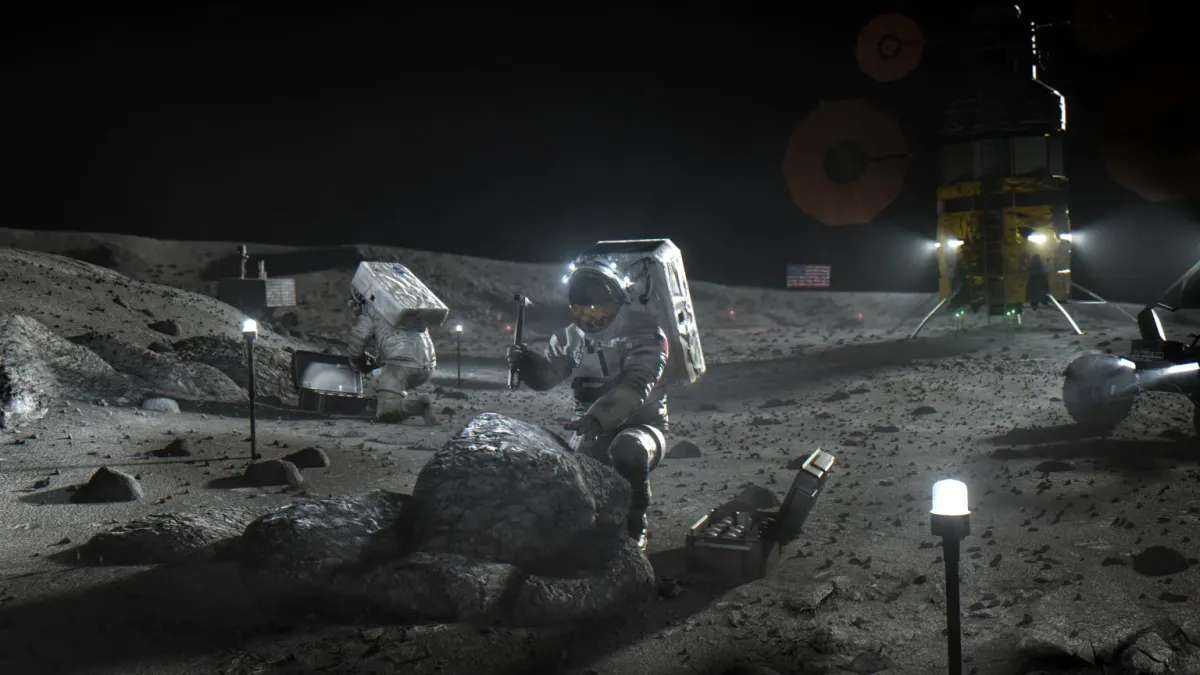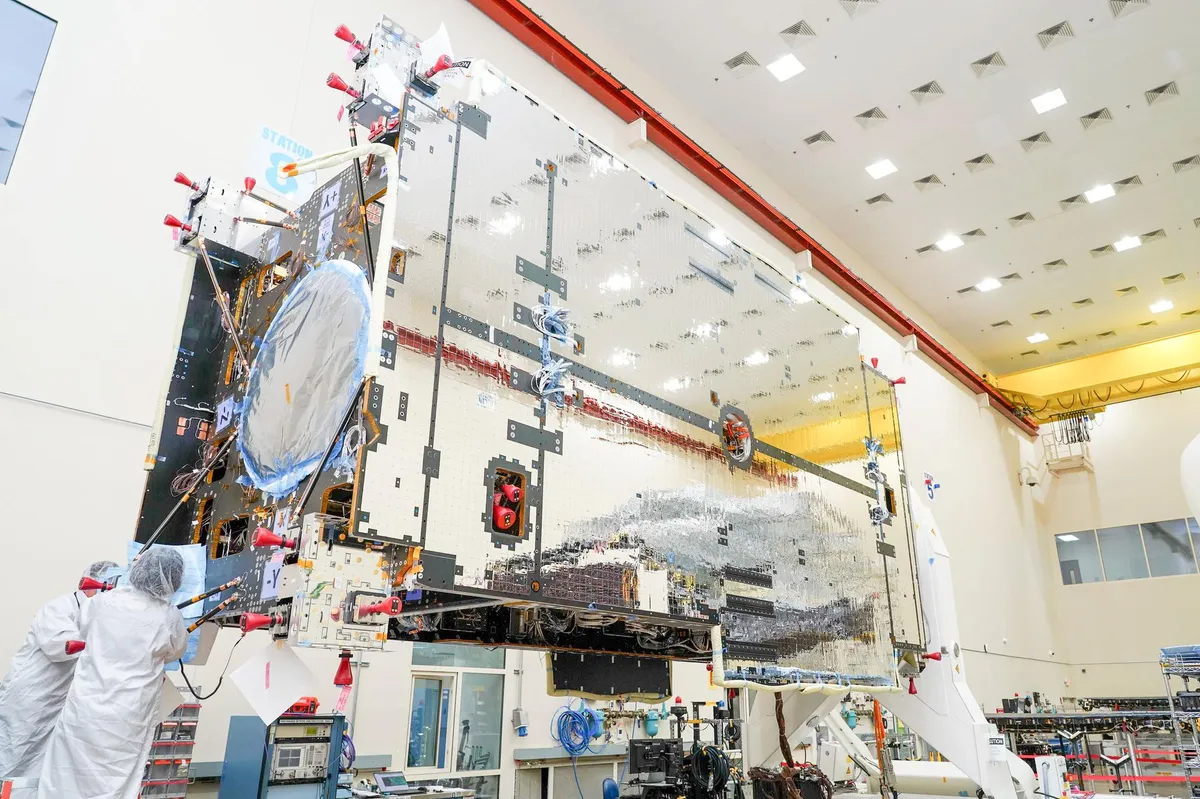
NASA's Gateway station—the crewed outpost that will orbit the Moon as a staging point for Artemis missions—just proved it can run on solar power alone. The Power and Propulsion Element, a spacecraft about the size of a small bus, successfully powered on last year and delivered exactly what it promised: 60 kilowatts of electricity, enough to keep the station running, communicating with Earth, and maneuvering between orbits.
This isn't a minor checkpoint. Gateway will be humanity's first long-term presence beyond Earth orbit, and it needs to be reliable. The power system has to work in an environment where the Moon blocks the Sun for two weeks at a time, where radiation is fiercer than in Earth orbit, and where you can't just send a repair crew on a quick shuttle flight.
The Power and Propulsion Element is being built by Lanteris Space Systems in Palo Alto, with NASA's Glenn Research Center in Cleveland overseeing the project. Right now, teams are bolting down the main electrical system inside protective panels and preparing to install the thrusters—seven of them in total, a mix of advanced electric propulsion units from L3Harris and smaller BHT-6000 thrusters from Busek. Each one is designed to nudge the station into the right orbit and keep it there.
We're a new kind of news feed.
Regular news is designed to drain you. We're a non-profit built to restore you. Every story we publish is scored for impact, progress, and hope.
Start Your News DetoxMeanwhile, the solar arrays that will actually catch the sunlight are being tested at Redwire's facility in California. These aren't the rigid panels you see on the International Space Station. Gateway's arrays roll out like a scroll, which means they can be packed tightly for launch and then unfurled once they're in lunar orbit.
Why this matters: Gateway is the lynchpin for sustained lunar exploration. Without reliable power, the astronauts who land on the Moon in the coming years won't have a safe place to refuel, resupply, or wait out bad weather. The fact that this critical system has already proven itself means the timeline for Artemis missions just became a little more solid.
The next phase is integration—getting all these components to work together as a single system. That testing will happen over the next couple of years, but the hardest part—proving the core technology works—is already done.