The global food system is remaking itself in real time, and not by choice. In January, the U.S. halted international development aid that funded nutrition programs, agricultural research, and food security work across Africa, Asia, and Latin America. The disruption has been immediate and severe.
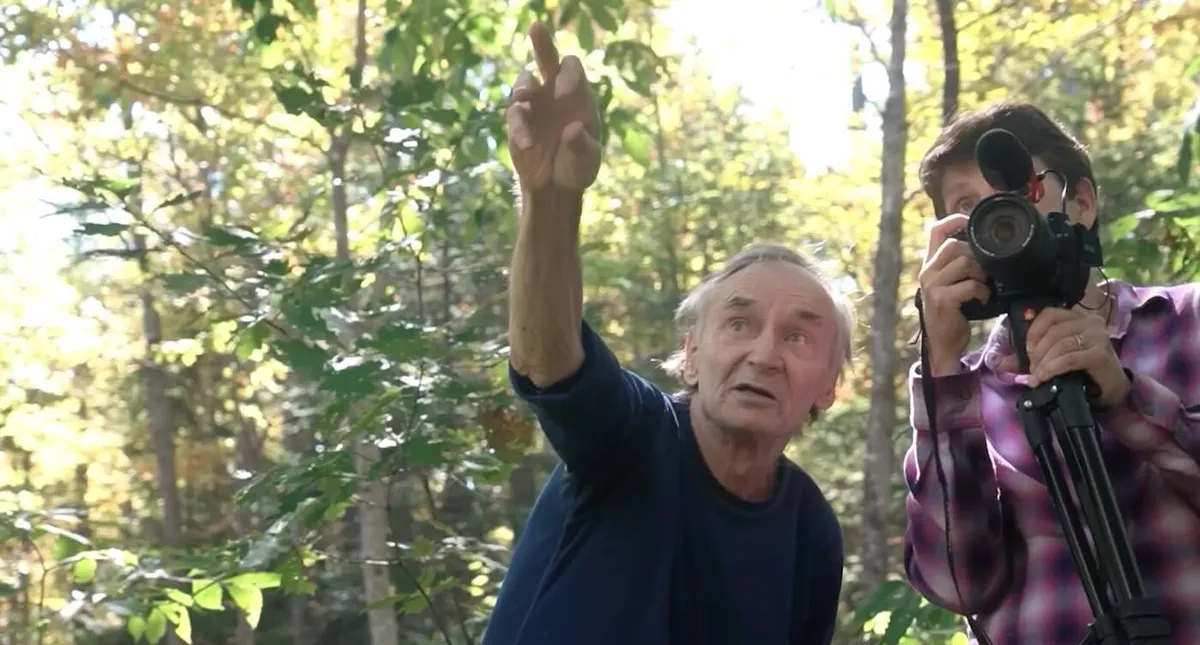
When the author traveled to meet farmers, researchers, and NGO leaders in affected regions, the message was consistent: organizations are collapsing under the weight of sudden funding loss. In Ethiopia, one NGO laid off nearly two dozen staff and canceled two major projects focused on women's nutrition. In Guatemala, CARE had to cut more than 20 positions and scale back work with women farmers and domestic violence survivors. Staff told the author the farmers didn't understand why the funding vanished so suddenly.
The human cost is not abstract. Modeling from Boston University suggests the cuts are already contributing to nearly 700,000 deaths—more than 450,000 children—from malnutrition and preventable disease. By 2030, the same research estimates 14 million preventable deaths without intervention. Domestically, an estimated 15 million Americans face losing health coverage, and more than 3 million risk losing food assistance benefits. One study from George Washington University projects 1 million jobs lost and US$113 billion in reduced state GDP next year alone.
We're a new kind of news feed.
Regular news is designed to drain you. We're a non-profit built to restore you. Every story we publish is scored for impact, progress, and hope.
Start Your News DetoxBuilding from the ground up
What's emerging from this pressure is not despair, but adaptation. Food Tank and the Global Food Institute launched a "Growing Forward" series this year to document solutions already taking shape. The World Bank is deploying new monitoring tools to respond faster to hunger crises. The University of the District of Columbia is training community leaders in urban agroecology—growing food in cities to build both food security and climate resilience. Medical professionals like Kofi Essel are integrating food directly into healthcare, recognizing that nutrition is medicine.
Organizations like the Food Security Leadership Council, launched in 2025, are working to keep U.S. partnerships with other countries intact. These relationships matter. They're the connective tissue that allows knowledge and resources to flow when they're needed most.
Last month at the U.N. Climate Change Conference in Brazil, new initiatives were announced, including the Food Waste Breakthrough—a coordinated push to halve food waste globally by 2030. These aren't revolutionary ideas. They're practical, evidence-based responses to problems we already understand. What's changed is the urgency and the willingness to move.
The uncertainty won't disappear. But the path forward is visible: leaning into solutions that connect care, science, and shared responsibility. The work is already happening. Now it needs the resources and political will to scale.