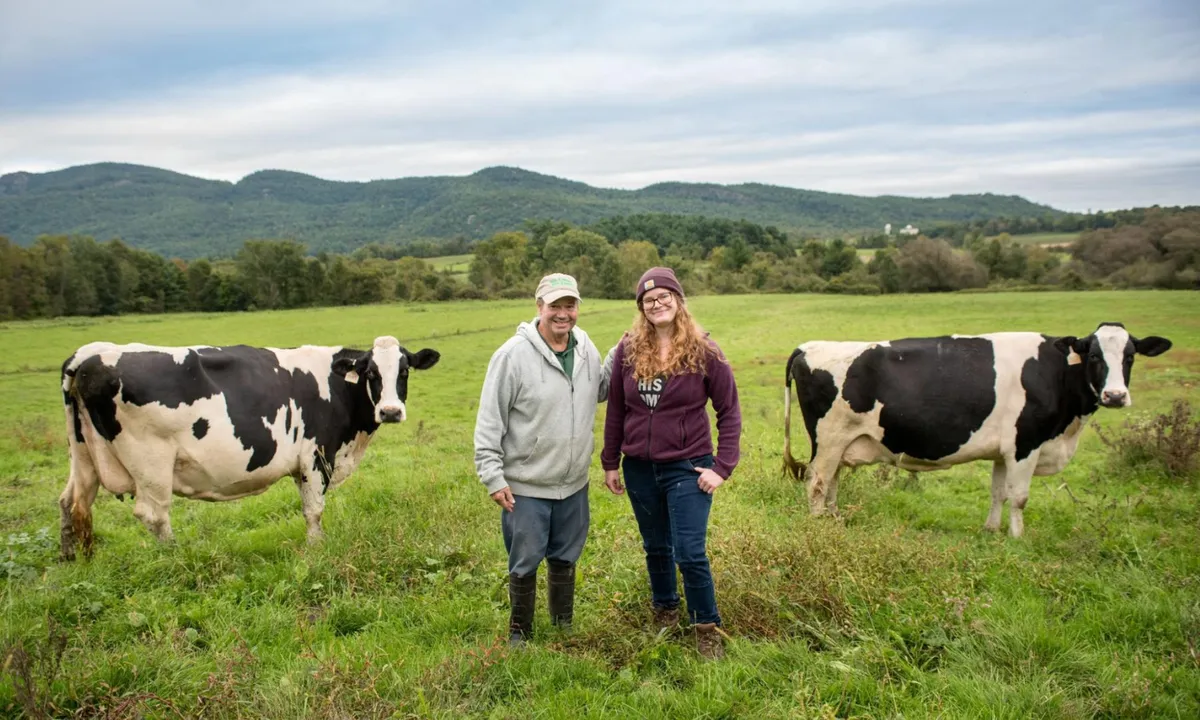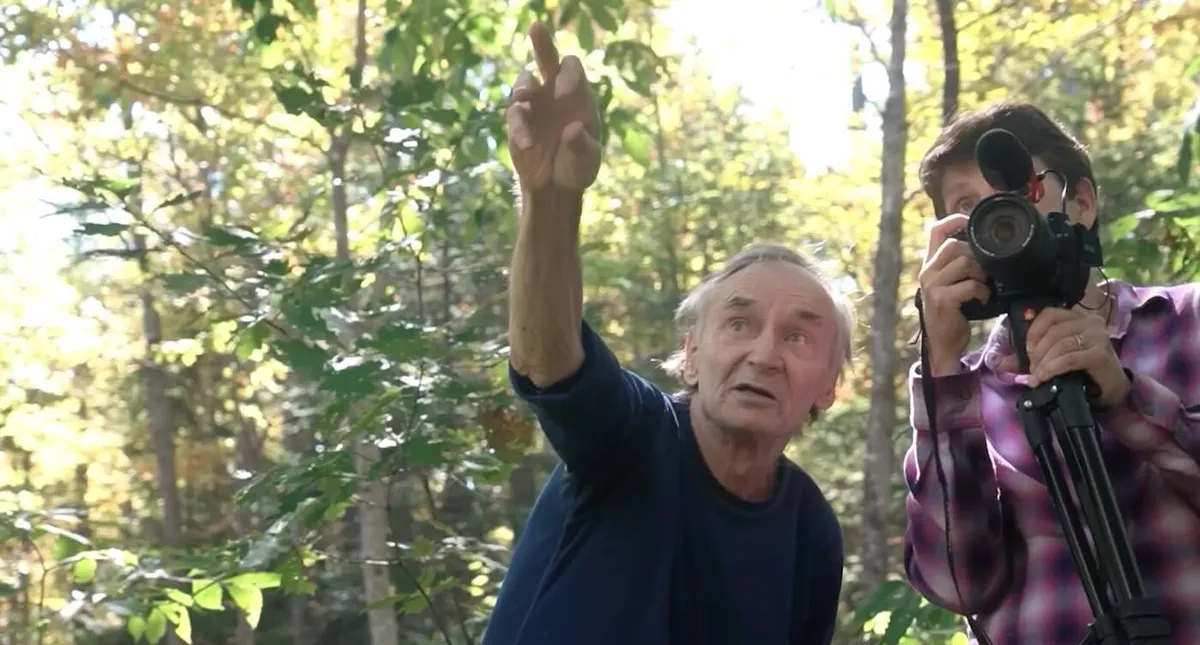
Brent Arp grew up on his family's 120-year-old Iowa farm. His father still works it at 85. Michelle was raised around dairy cattle and once held the title of Iowa State Dairy Princess. By all accounts, they were born into farming. Yet when they decided to buy their own land, they hit a wall that no amount of heritage could breach.
"It's about impossible out here anymore," Brent says. "The price has just gotten outrageous for good farm ground around us."
The Arps spent 20 years renting before they got lucky—their landlord offered to sell them the farm rather than cash in with an outside investor. Even then, both Brent and Michelle kept off-farm jobs to make the numbers work. Their story isn't exceptional in Iowa anymore. It's becoming the baseline.
We're a new kind of news feed.
Regular news is designed to drain you. We're a non-profit built to restore you. Every story we publish is scored for impact, progress, and hope.
Start Your News DetoxWhy farmland has become unreachable
Midwest farmland prices have climbed steeply as wealthy investors, corporate buyers, and a shrinking supply collide. In the Arps' area, outside money has snapped up several farms as retirement vehicles. Meanwhile, farmers who inherited land debt-free tend to hold it and accumulate more, further tightening the market for first-time buyers. The result: a generation of farming families locked out of ownership.
About 60% of Iowa farmers now rely on off-farm income just to stay afloat. Brent and Michelle's son wants to farm—but like most of his peers, he'll need an off-farm job to make it happen. "The next generation is looking towards their future and thinking, how am I even going to get started?" Michelle says.
Corn and soybeans, which cover most of Iowa's planted acres, offer wildly inconsistent returns. One year breaks even. The next loses money. This volatility makes it nearly impossible for young farmers to build the financial cushion needed to buy land.
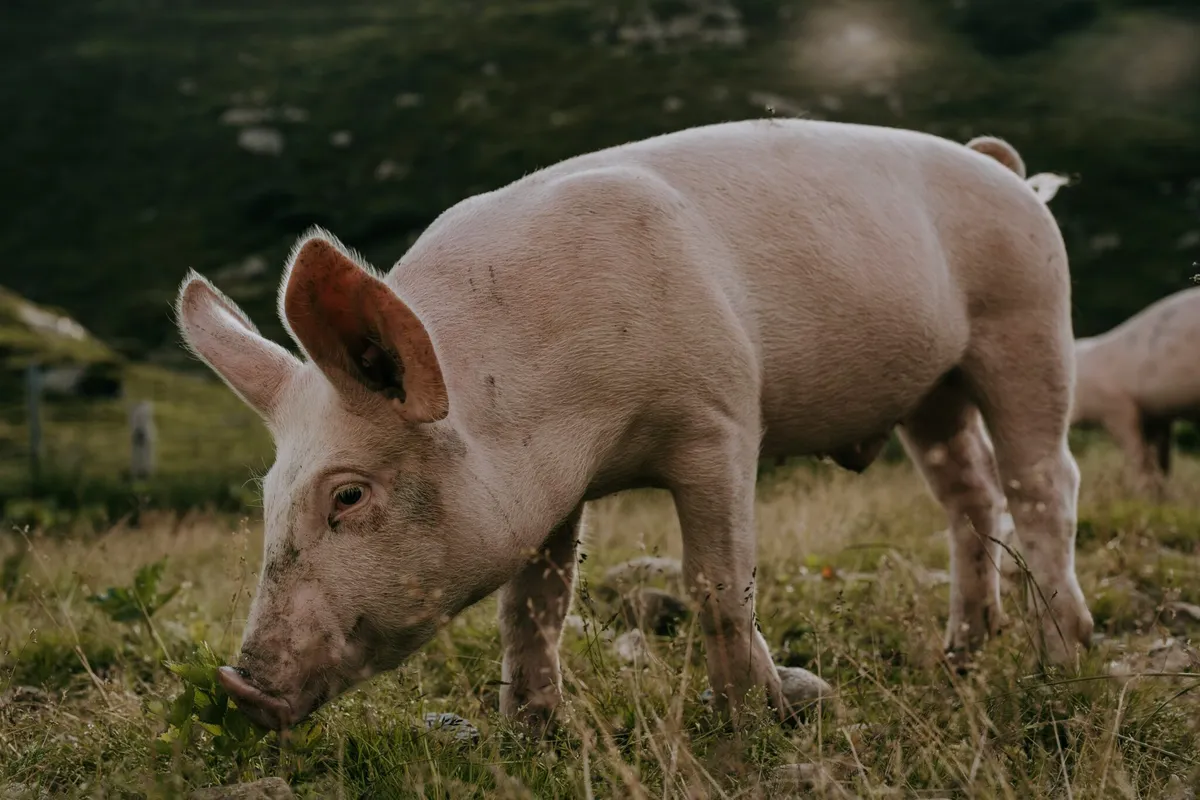
Then the Arps found Niman Ranch, a specialty meat company that guarantees prices for humanely and sustainably raised pork. In 2022, they started raising pigs under Niman's standards. The guaranteed price meant something Brent had never experienced with commodity crops: predictable cash flow.
"You're not going to make a killing raising hogs," Brent says. "But there's a little bit of money there. Adding another line to the farm that actually has cash flows was a big relief."
That relief matters more than it sounds. It meant they could stop hemorrhaging money. It meant their son could see a path forward. It meant the farm could stay in the family.
Brent believes older farmers have a role to play in what comes next. Those retiring could rent land to younger farmers rather than selling to the highest bidder, or offer it to local families first. The Arps' landlord made that choice—and it changed everything for them.
Across Iowa, a quiet shift is underway. Consumers increasingly want to know how their meat was raised, not just what it costs. Younger people especially care about animal welfare and sustainable practices. That consumer demand is creating market space for small family farms to compete on something other than scale.
"The younger people really care about how their food is raised," Brent says. "They don't just look at the price. And that's impressive to me that they care that much. I think that's only going to grow."
The Arps' path forward remains precarious—they're still in the process of fully buying their farm, still juggling off-farm work. But they're no longer alone in their struggle, and increasingly, there are buyers willing to pay for what they're building.