Clay ornaments made 15,000 years ago show that people were expressing themselves symbolically long before farming began. Both children and adults helped create these items, which points to early social and cultural growth.
People in the Levant were shaping clay by hand long before pottery, farming, or even the first villages existed. They did this carefully, intentionally, and sometimes playfully. Some of these early artists were children.
Ancient Clay Ornaments Discovered
A research team led by Laurent Davin and Professor Leore Grosman identified the oldest known clay ornaments in Southwest Asia. This discovery reveals a previously overlooked stage in how humans used objects to show identity and social meaning. The study, published in Science Advances, shows that people used clay symbolically thousands of years earlier than thought.
We're a new kind of news feed.
Regular news is designed to drain you. We're a non-profit built to restore you. Every story we publish is scored for impact, progress, and hope.
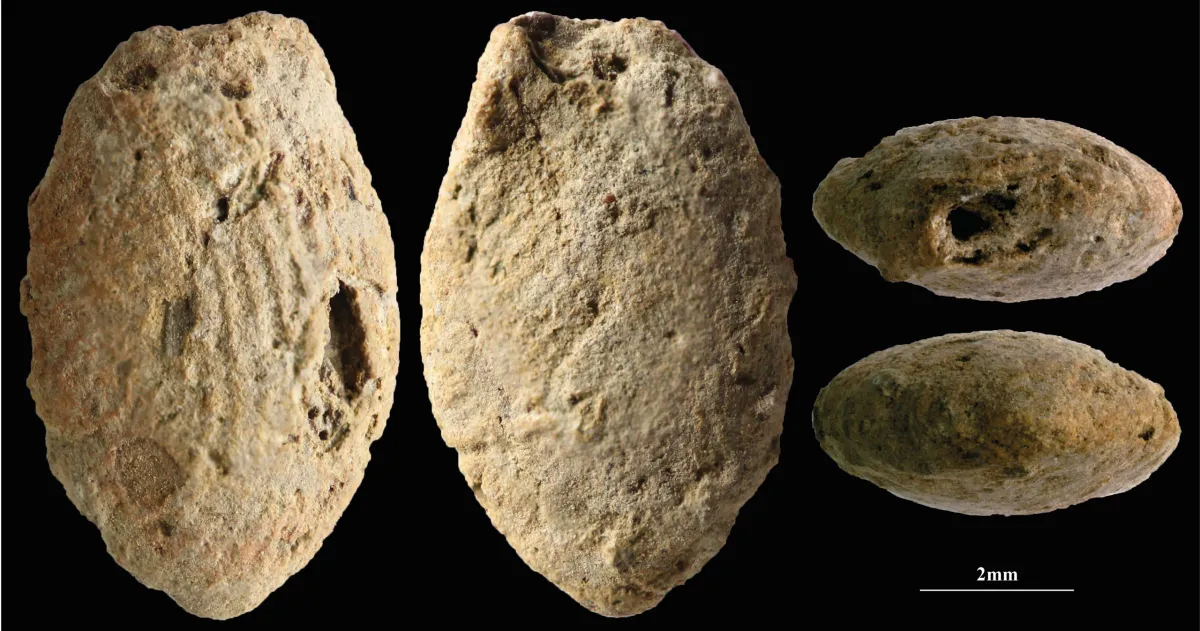
Start Your News DetoxThe collection includes 142 beads and pendants. Natufian hunter-gatherers made them about 15,000 years ago in what is now Israel. These groups were among the first to create permanent settlements, well before agriculture developed. Before this find, experts did not believe clay from this time was used for decoration. Only five clay beads from this era had been found worldwide until now.
Laurent Davin noted that this discovery completely changes how we understand the link between clay, symbols, and the start of settled life.
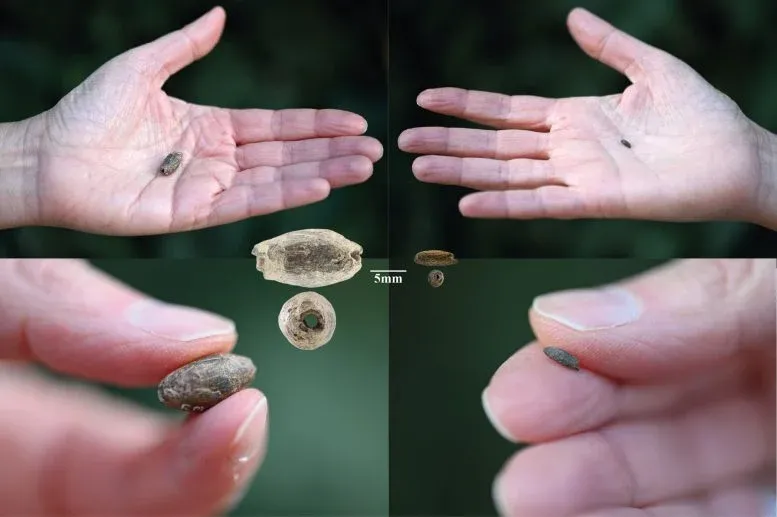
Researchers found the ornaments at four Natufian sites: el-Wad, Nahal Oren, Hayonim, and Eynan-Mallaha. These sites were occupied for over three thousand years. The small objects, which fit in a hand, were shaped from unfired clay into cylinders, discs, and oval forms. Many were covered with red ochre using engobe, a method of applying a thin layer of liquid clay. This is the earliest known use of this coloring technique anywhere in the world.
Clay as a Cultural Tradition
The number and variety of these objects suggest they were not a one-time experiment. Instead, they were part of a long-standing practice. Clay was used for visual communication long before it was used to make containers like bowls or jars.
Researchers found 19 different bead types. Many looked like important plants to Natufian life, such as wild barley, einkorn wheat, lentils, and peas. These plants were widely gathered and eaten. They later became key agricultural crops.

Some beads still had traces of plant fibers. This shows how they were strung and worn. This is rare evidence of organic materials, which usually do not last in archaeological records.
The ornaments suggest that plants and nature were important symbolically, not just as food.
Fingerprints Reveal Ancient Makers
One of the most interesting findings came from the surfaces of the beads.
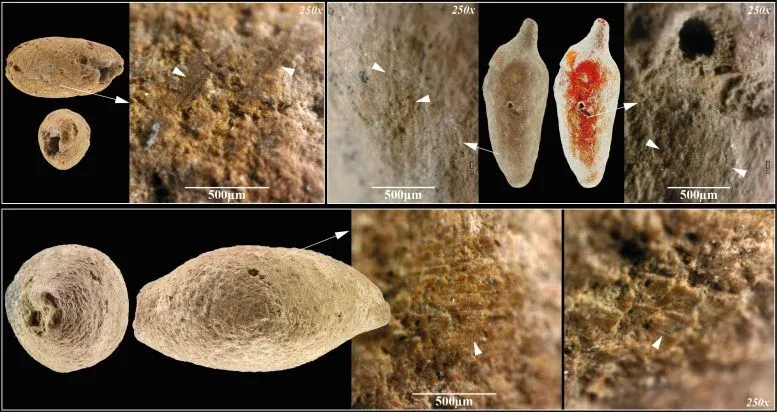
Fifty preserved fingerprints allowed researchers to identify who made the objects. The prints came from people of different ages, including children, teenagers, and adults. This is the first time archaeologists have directly identified the makers of Paleolithic ornaments. It is also the largest collection of such fingerprints from this period.
Some items, like a small clay ring only 10 millimeters (0.39 inches) wide, seem to have been made for children. This suggests that making ornaments was a shared daily activity. It likely helped teach skills, encouraged imitation, and passed down social values through generations.
For many years, experts thought that symbolic uses of clay in Southwest Asia began only with farming and the Neolithic way of life. This study, along with the recent discovery of a clay figurine at Nahal Ein Gev II, challenges that idea.
Rethinking the Origins of Culture
Instead, the findings point to an earlier "symbolic revolution." This happened during the first stages of settled life, when communities still hunted and gathered but lived in permanent places. Clay ornaments became a visible way to show identity, group connections, and social relationships.
Professor Leore Grosman said these objects show that major social and thinking changes were already happening. She noted that the roots of the Neolithic period are deeper than once thought.
By documenting one of the earliest known traditions of clay adornment, this research shows the Natufians were not just precursors to agriculture. They were also pioneers of symbolic expression. They used clay to communicate who they were and how their societies were changing.
Deep Dive & References
Modeling identities among the first-sedentary communities: Emergence of clay personal ornaments in Epipaleolithic Southwest Asia - Science Advances, 2026